June Climate Talks: A Recipe for Gridlock
Incremental progress in some areas of the Bonn SB64 climate talks, was overshadowed by a walk back on previous commitments, and you-first-ism, setting a poor framework for COP31 talks

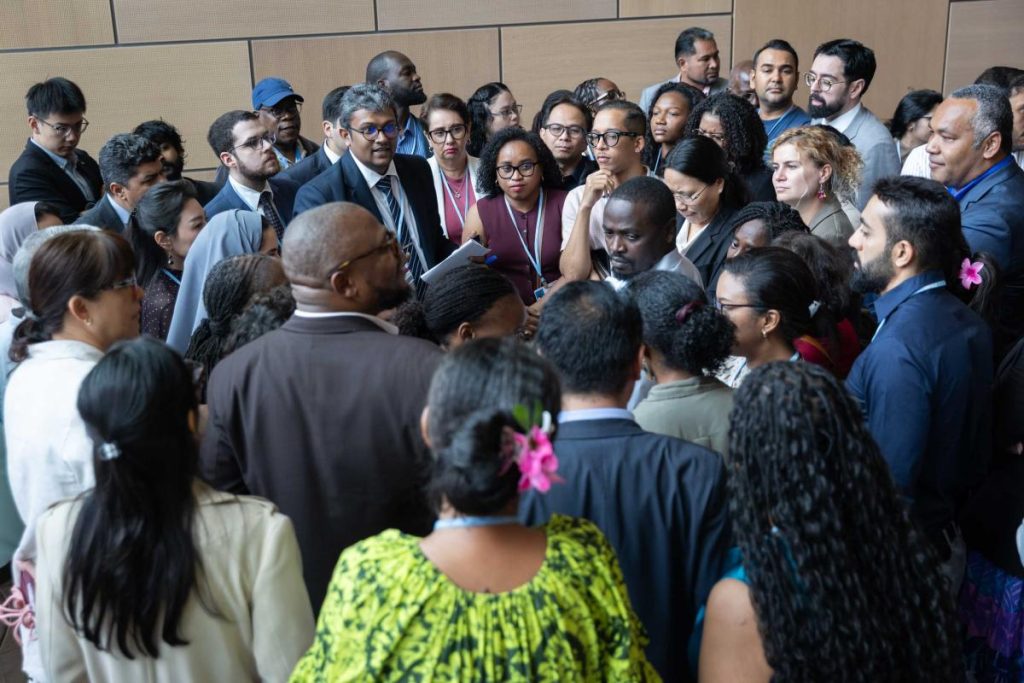
Incremental progress in some areas of the Bonn SB64 climate talks, was overshadowed by a walk back on previous commitments, and you-first-ism, setting a poor framework for COP31 talks
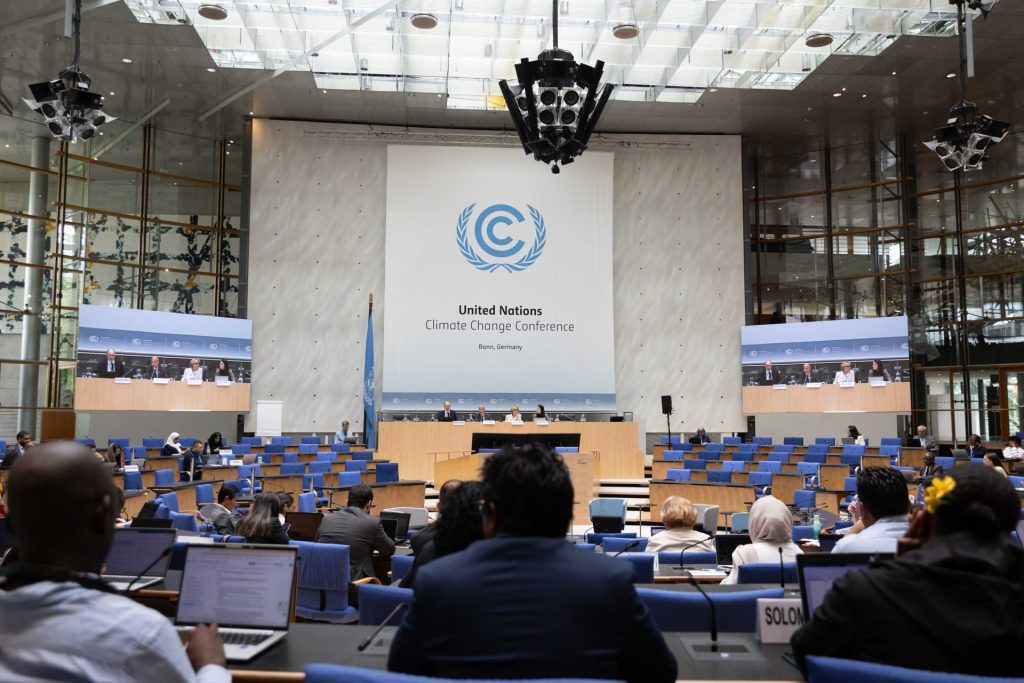
Over 9,000 people attended the 2026 June Climate Meetings. Some of them share their thoughts on the negotiations and their outcomes for specific target areas, and the way forward.
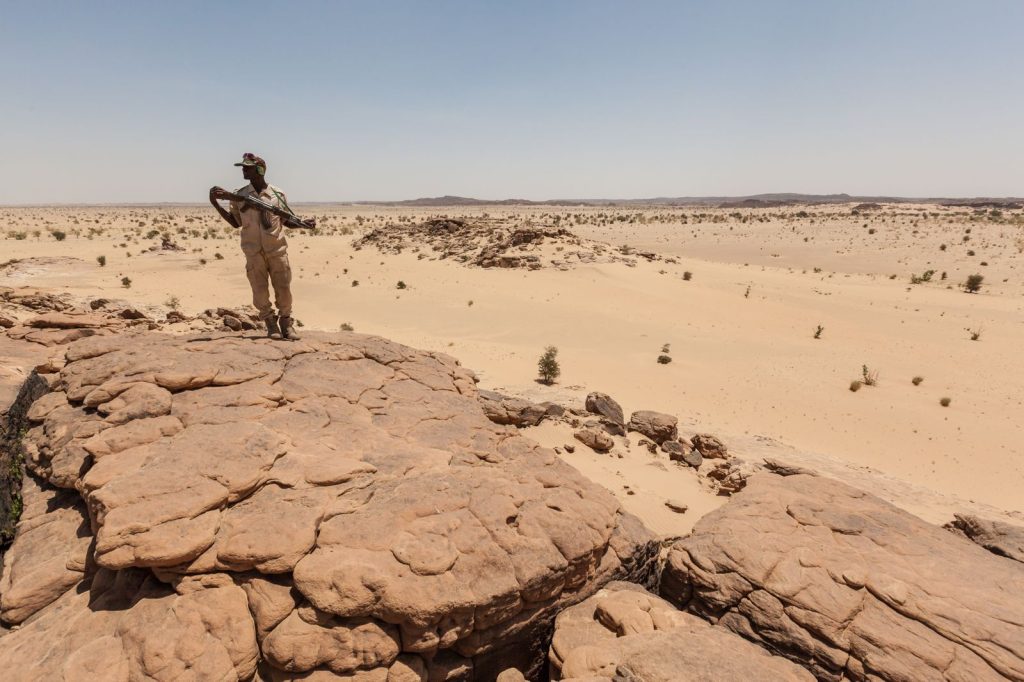
The climate and conflict crisis in the Sahel requires integrated strategies that bridge the artificial divides between climate policy, peacebuilding and development governance, with opportunities for Africa to lead tailored solutions at COP31.
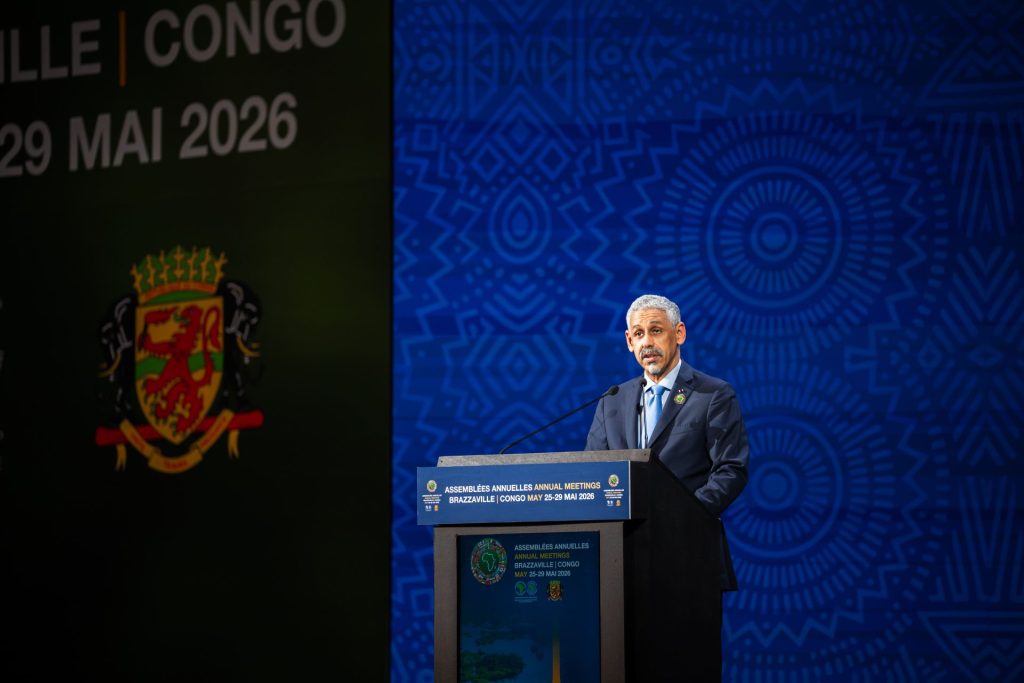
As US climate finance and private capital fall short, the AfDB is pursuing its climate mandate with greater resolve than most MDBs. Can it do so without sacrificing adaptation support?
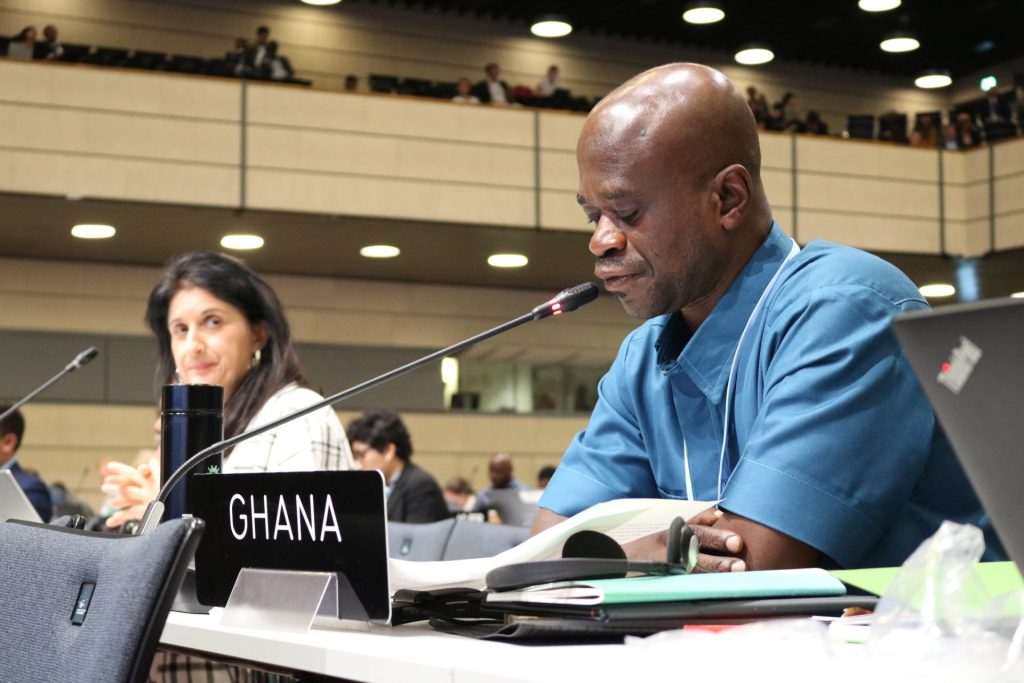
The annual Bonn Climate Talks, led by the scientific and technical arms of the UNFCCC, are where countries substantively negotiate the technical points that ultimately make their way to the COP at the end of the year.
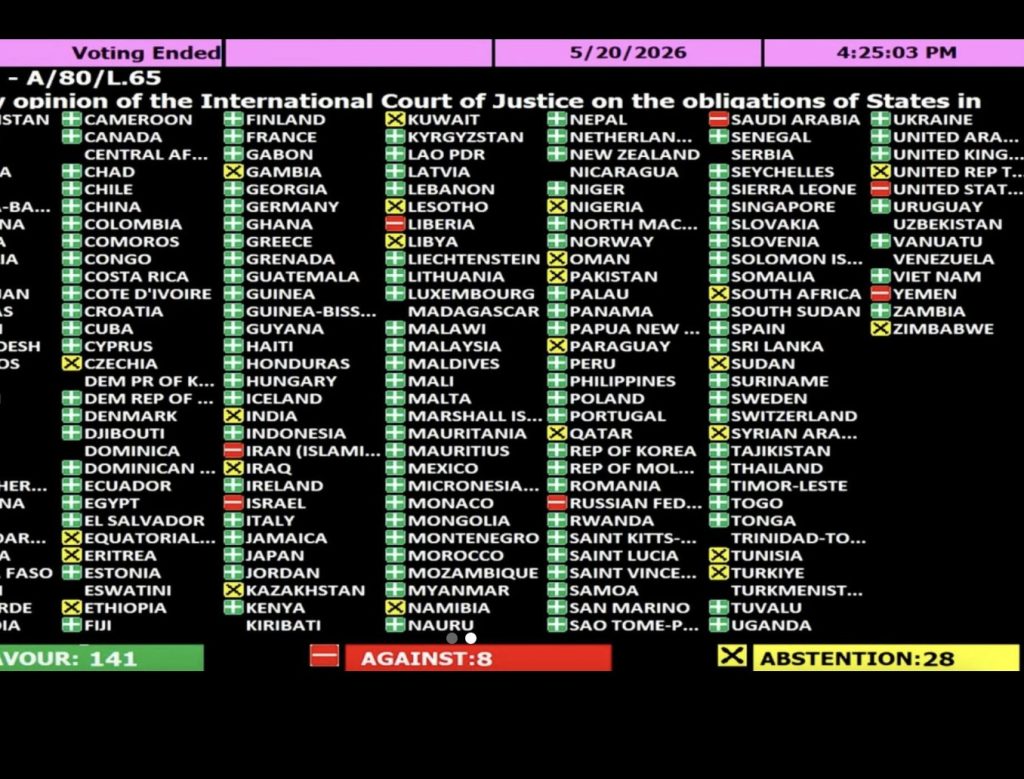
Thirteen African States abstained from a UNGA vote in favour of the ICJ’s climate opinion. They are a small minority; how will they navigate the UNGA parallel climate process?

Across Africa, outdated investment treaties empower foreign investors to sue governments for their climate policies, fossil fuel reforms, and mining tax reforms, costing them billions and undermining a just transition.
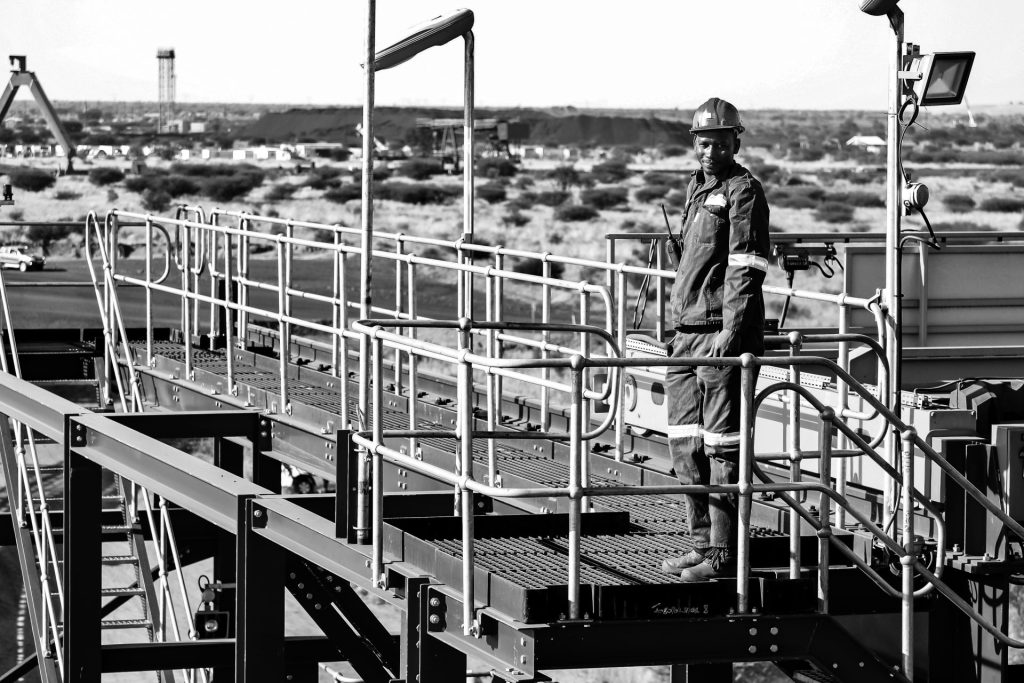
With 6100 abandoned mines across South Africa, there is a looming mine closure crisis, raising questions about the country’s just transition ambitions, and the fate of local communities and their environment.
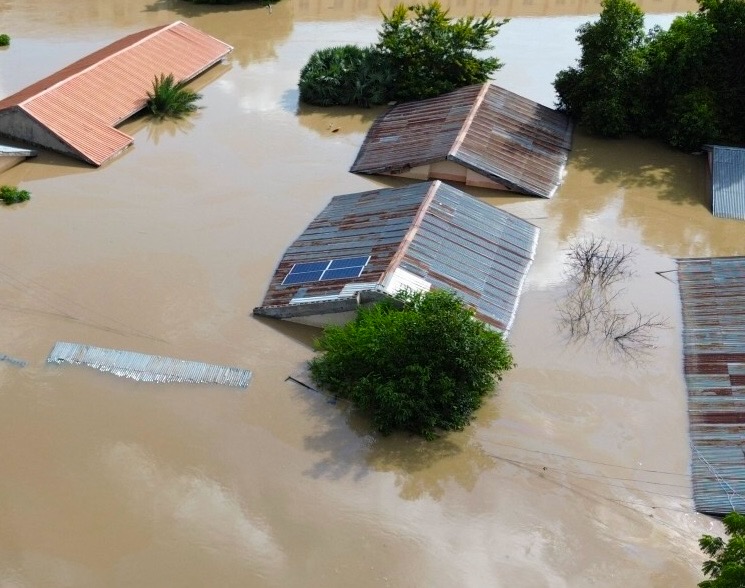
A loss and damage fund exists but it is severely undercapitalized, and communities are still waiting – access, scale and coherence in loss and damage support must be prioritised to support those that need it most.
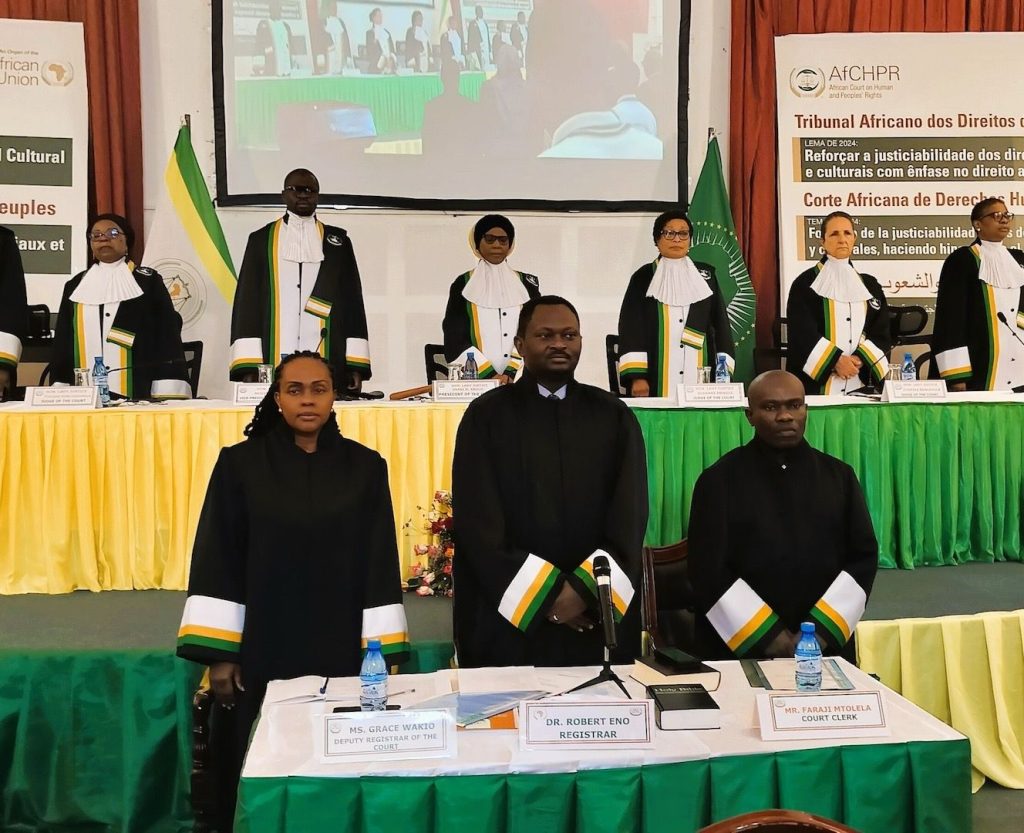
A new climate case before the African Court of Human and Peoples’ Rights could change how we understand the obligation of African States to protect human rights.
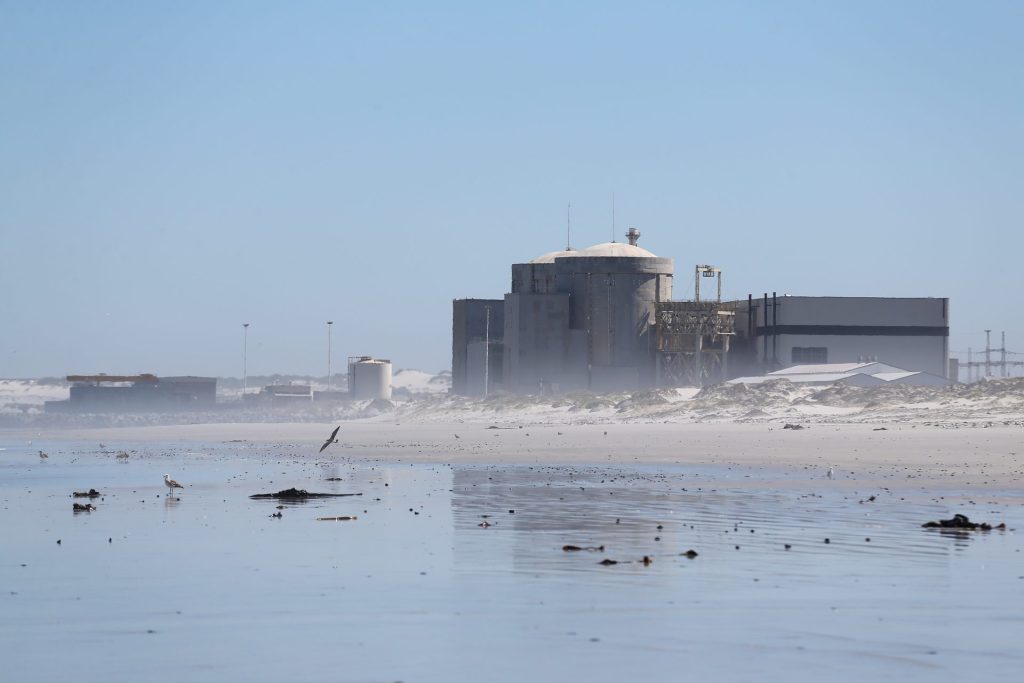
Long touted as a reliable and clean baseload energy solution, nuclear power in Africa comes with its own risks and challenges.
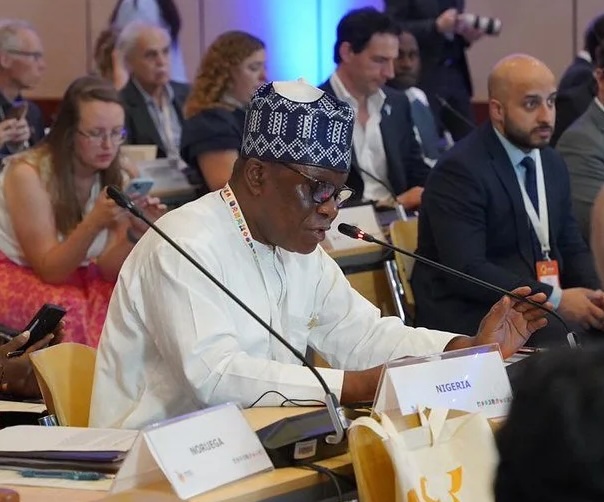
After Santa Marta, there is little hope for a new treaty, but the proposed trade measures are interesting. Following mixed messaging at COP30, several prominent African countries demonstrated their support for an equitable transition away from fossil fuels.
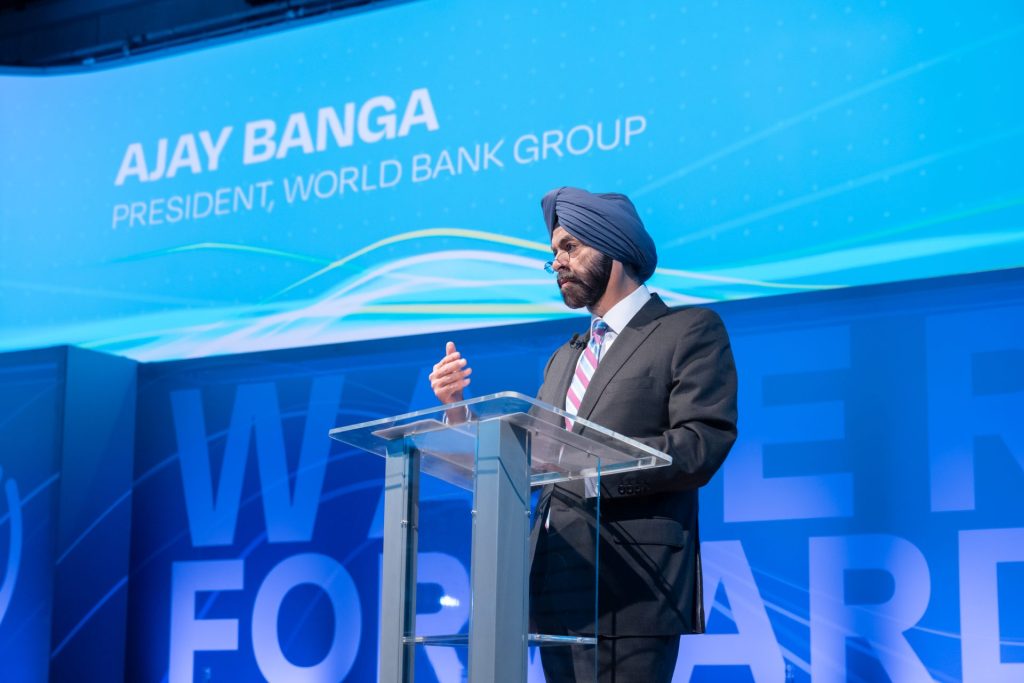
Following the 2026 IMF and World Bank Spring Meetings, it is clear that climate finance, particularly for adaptation, is being sidelined in favour of access to Africa’s critical minerals.
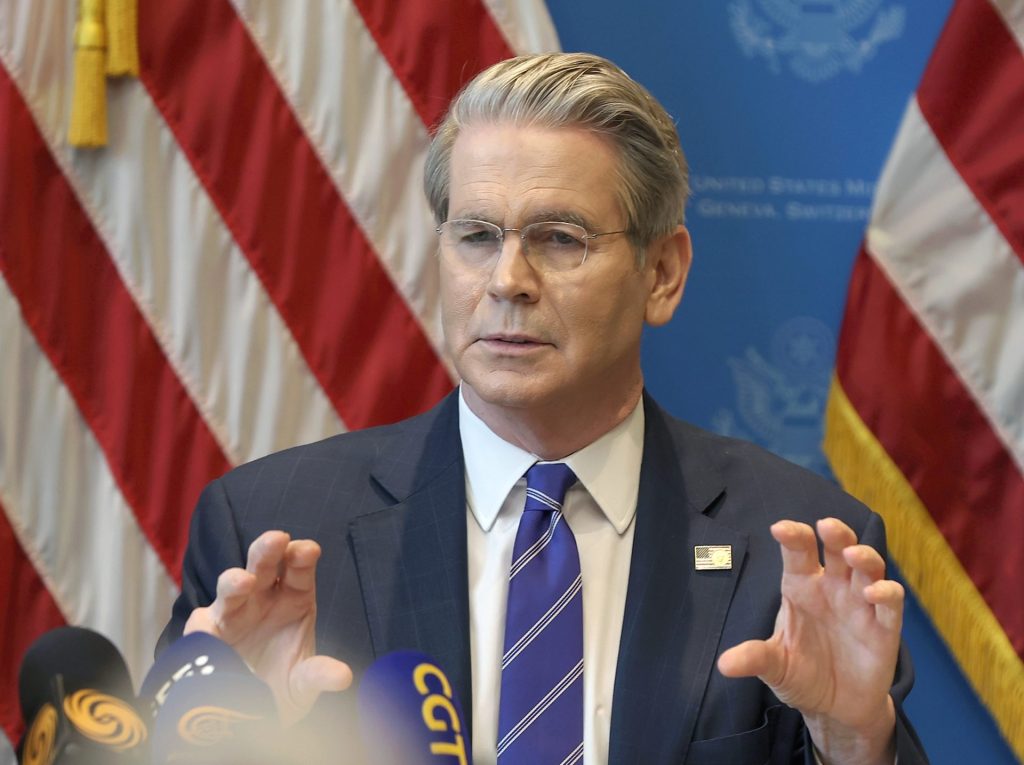
US attempts to block the renewal or upgrade of the World Bank’s climate plan may leave the bank without a plan or a substantially weaker one, it certainly won’t be more ambitious. African countries however will want to see the ...
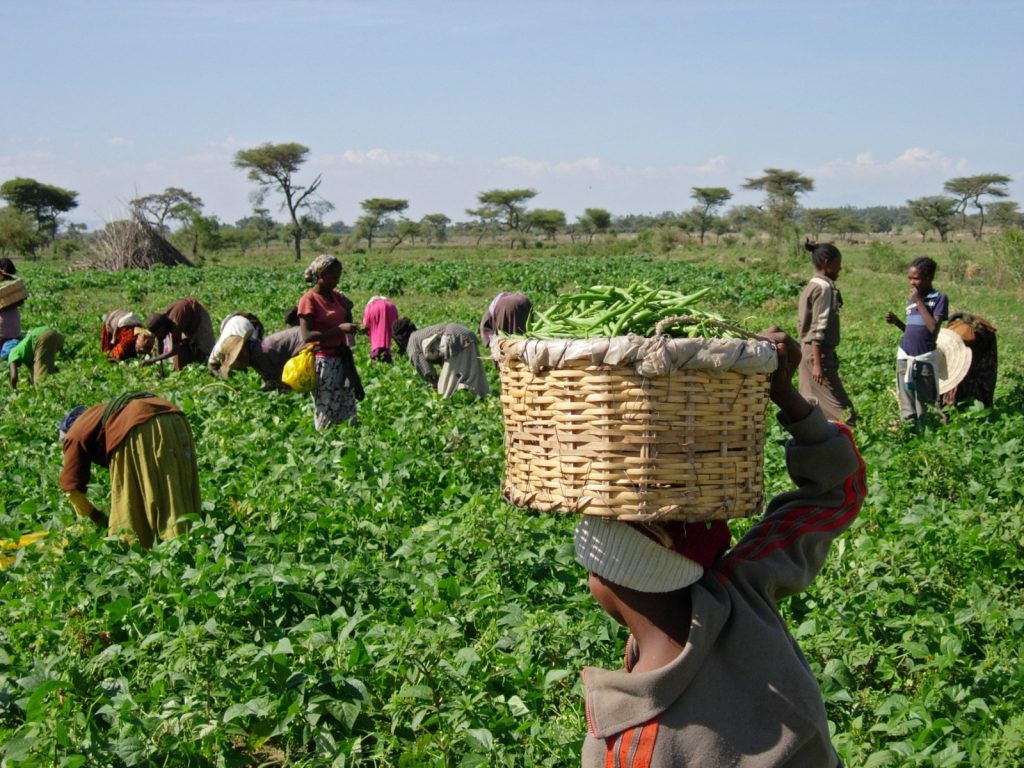
The pending food crisis that is likely to be felt in Africa as a result of fertilizer shortages from the Gulf warrants a rethink of how African countries navigate food security and WTO rules against public food stockpiling.
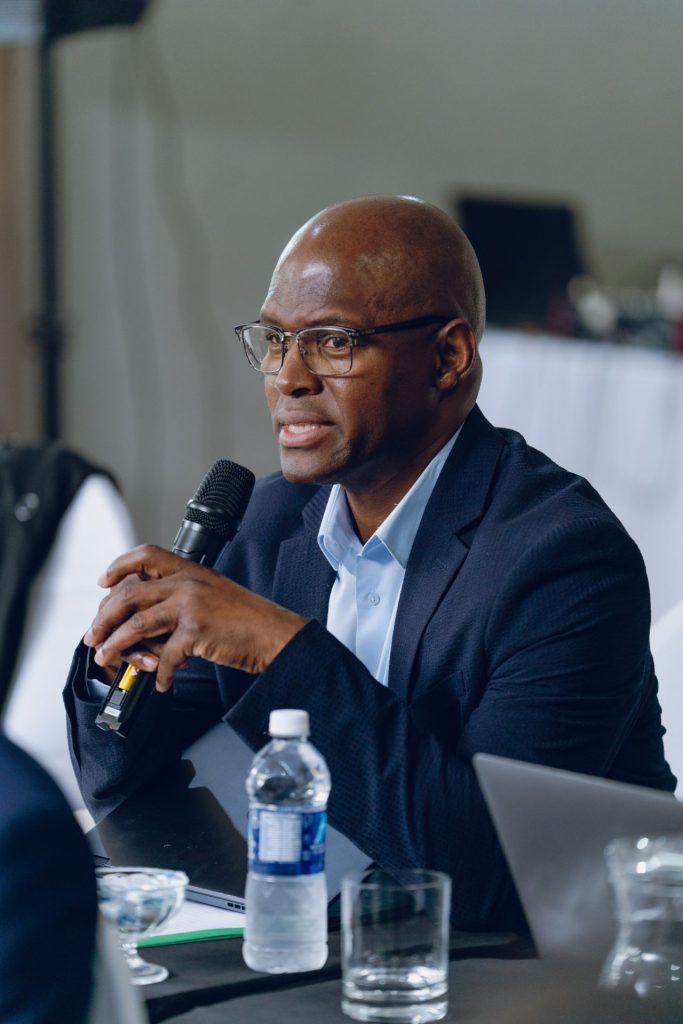
With development aid cuts, and spiraling energy costs, countries are looking to strengthen domestic climate revenues - the launch of the Southern Africa Alliance on Carbon Markets and Climate Finance is a step in that direction.
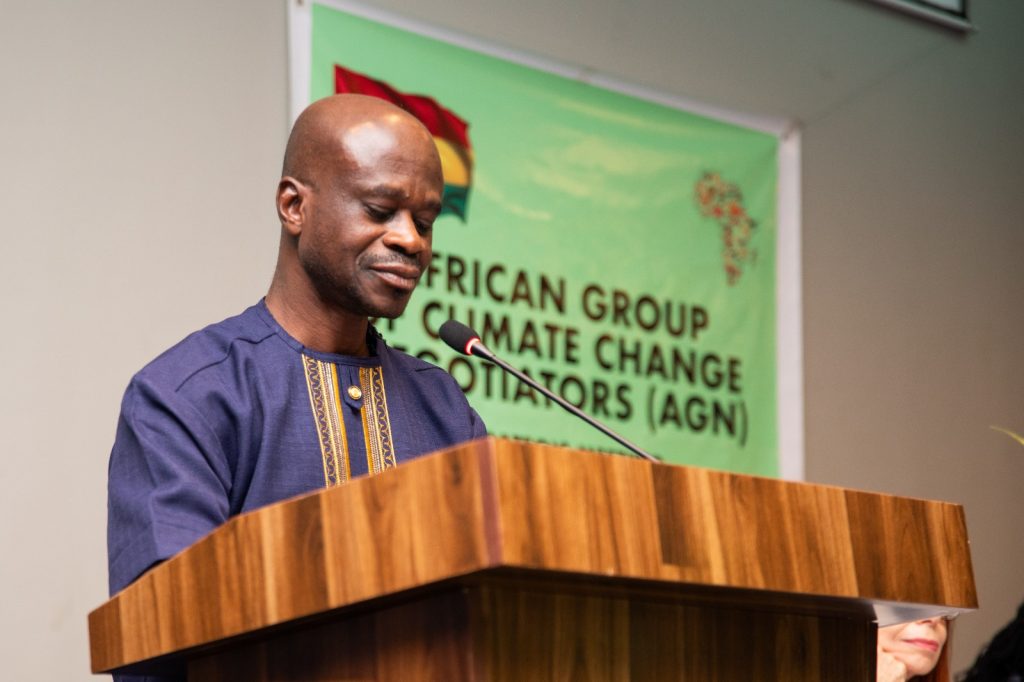
The AGN is hosting a three day strategic meeting in Ghana to refine its climate priorities and build a firm strategy that navigates and responds to geopolitics, energy security, industrial competition and finance developments.
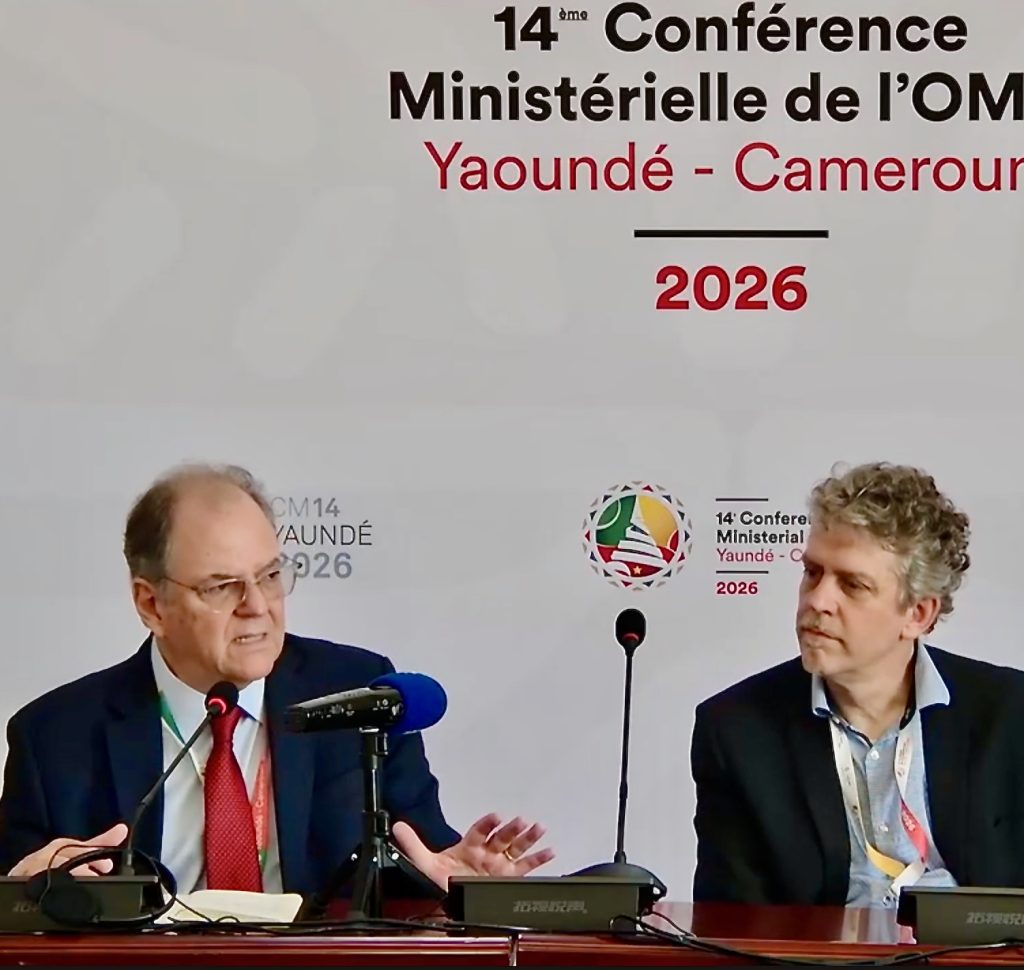
At the WTO’s Ministerial Conference, the Integrated Forum on Climate Change and Trade lamented the limitations of the current regimes and proffered a space for trade and climate ministers to work together.