At the World Bank spring meetings this week, efforts to reposition the bank’s lending to support climate change responses came under fire. The Bank’s Climate Change Action Plan (CCAP) which it has been implementing since 2021, is due to expire at the end of June this year, and there is pressure from the US to not renew it. Watering it down might mean removing a 45% climate finance target, the bank foregoing its voluntary pledge to ensure that its funded projects do not contribute to a breach of 1.5 °C in warming or weakening commitments to avoid fossil fuels.
This would leave the bank without any climate plan in place. Commenting on the imminent vacuum to Devex, one expert said: ““if you want to keep some climate strategy, you’re going to have to compromise, play ball on one of these issues”.
The CCAP has largely been viewed as a success, positioning the bank as a leader in climate lending. It shifted the organisation’s lending towards greening whole economies instead of through individual projects, with a target of 45% climate finance lending, and the doubling of adaptation funding to US$50 billion, and introduced a project screening requirement for climate and disaster risk.
Last year G20 leaders endorsed a “Bigger, Better Banks” agenda to guide the reform of sustainable Multilateral Development Bank (MDB) expansion. MDBs then collectively pledged funds for more ambitious climate goals amounting to US $120bn/yr by 2030 for EMDEs, which raised expectations that the Word Bank would be a champion of climate finance.
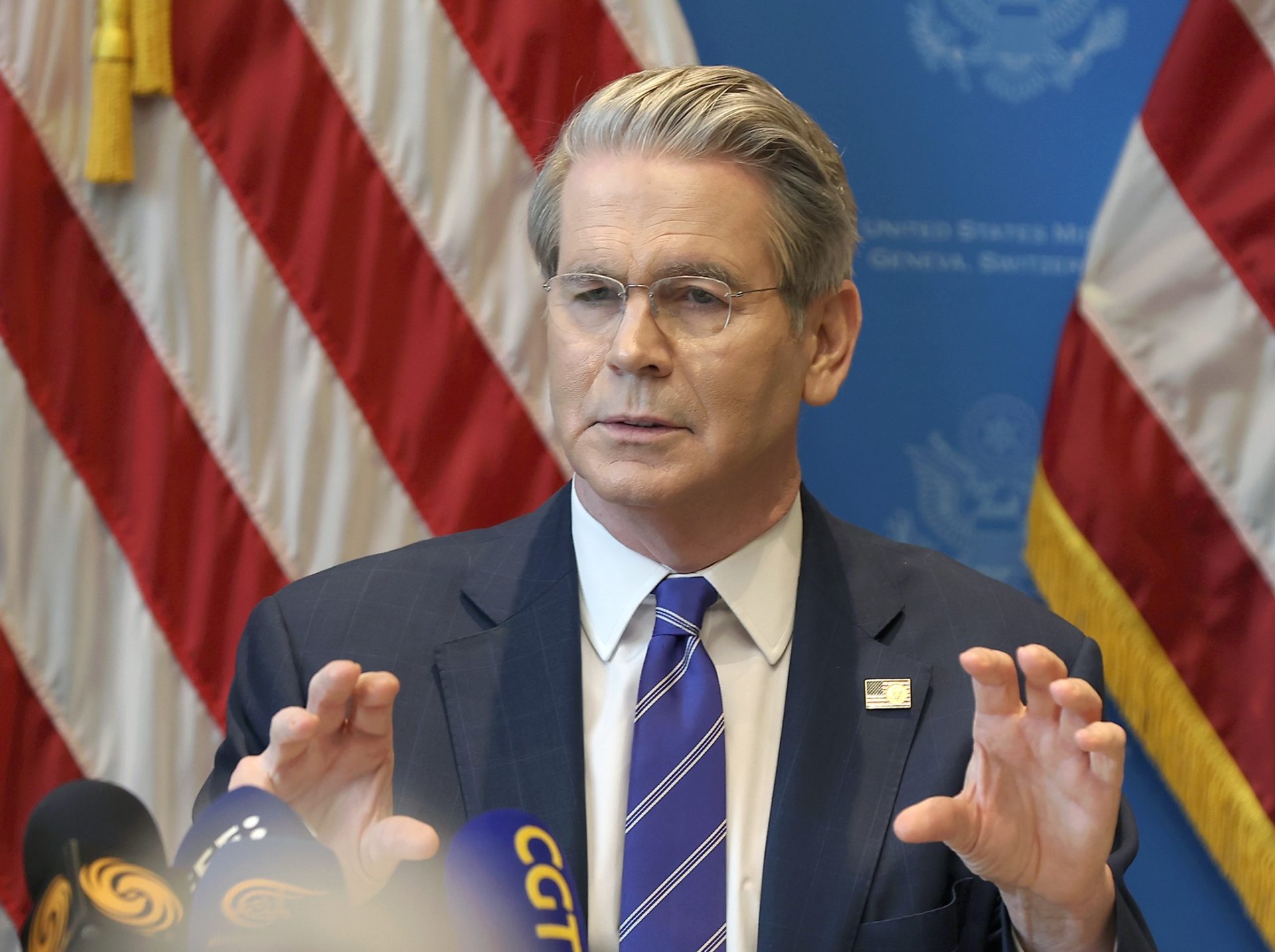
However, at the IMF and World Bank spring meetings this week, US Treasury Secretary Scott Bessent welcomed the CCAP’s “long overdue expiration”, arguing that it had a “myopic focus” on climate finance, which he believed chased targets arbitrarily and did little to end poverty. This echoes statements by Bessent in October last year when he said the “bank must remove its 45% climate co-benefits financing target,” arguing that it “skews projects away from country priorities and distorts projects away from the goal of increasing access to the affordable and reliable energy needed to increase growth and productivity.
The statements tie in with the broader turn of the US to reposition multilateral finance away from climate change as a tool to exert influence in mineral supply chains and to expand lending towards fossil fuel infrastructure. This week Bessent urged the World Bank to “move quickly to support the policies, projects and associated infrastructure needed to unlock more deals that will help diversify critical minerals supply chains and increase domestic value capture across the supply chain.”
According to Climate Home News, European and some Latin American Countries and small island states support the retention of the plan. However, fossil fuel producing states such as Russia and those in the Gulf support the US. Speaking to Devex one insider reported that there isn’t necessarily a pro or anti CCAP camp, but rather extensive disagreement between board members and it is unlikely that a more ambitious CCAP will materialise, although possible the existing one may be extended.
The World Bank’s climate track record in Africa in recent years has been healthier than in the past. The Bank’s Mission 300 project with the AfDB aims to bring clean energy access to 300 million people on the African continent by 2030. In 2025 approximately 32% of its climate related finance went to Africa, including support for a regional climate resilience programme, the Africa Climate Business Plan that prioritises climate smart agriculture, the African Climate Resilient Investment Facility, coupled with various sustainability linked loans to individual countries and other climate related initiatives. However finance has not been entirely green. The Mission 300 project has come under fire from activists as it includes a material portion of funding for natural gas infrastructure, alongside solar and other sources of renewable energy. Activists have also accused the bank of making finance unaffordable for developing countries and adding to their debt burdens. While the bank has an imperfect record in the region, its climate lending is better than no lending and African countries will lose out if the Bank or IMF are undercapitalised by its largest shareholder, the US.
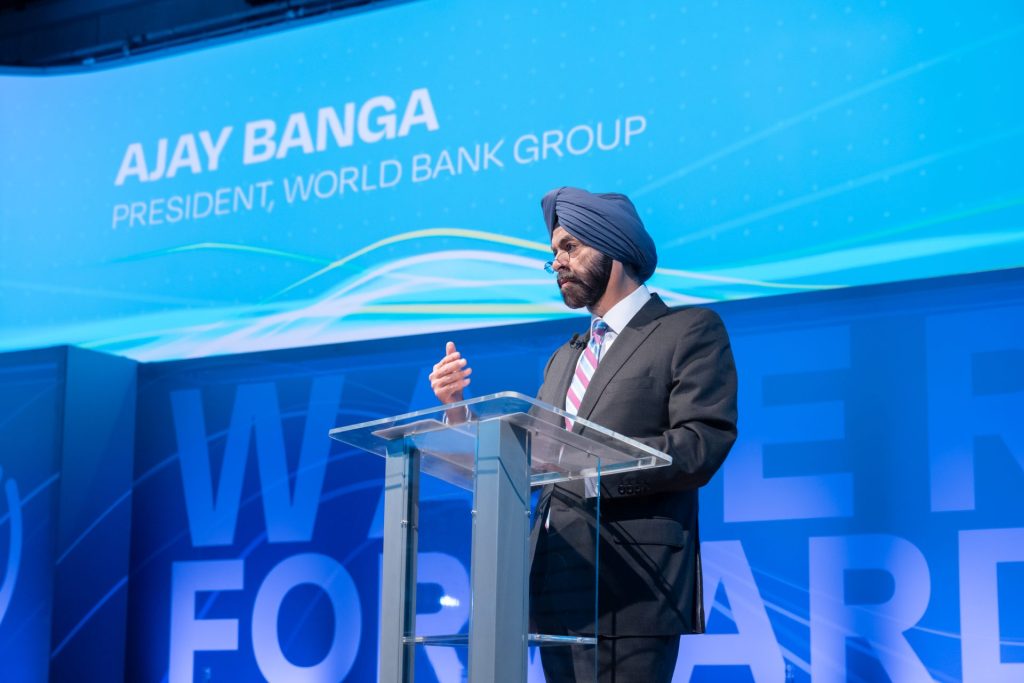
A decision on the plan will ultimately be taken by the bank’s management led by Ajay Banga who was appointed by former US President Biden. Banga has been at the forefront of the Bank’s climate strategy, hailing back to the early days of its development. However he will also be swayed by its shareholders, namely governments.
US influence over climate related lending also extended to the IMF, with Bessent stating that “In recent years, the IMF has suffered from mission creep. Its work has too often extended into areas such as international development, climate change, gender, and social issues, which are disconnected from the institution’s core mandate. To restore its relevance and impact, the Fund must drop these extraneous items and focus on the critical economic work at hand.” At the same time he stated that the US is still committed to a “strong, quota-based and adequately resourced” IMF. It seems that this support however will be tied to a more US aligned orientation towards climate related lending.
Ultimately African countries will be anxious to see the US and other large shareholders of the World Bank and IMF adequately capitalise them (including the bank’s International Bank for Reconstruction and Development and the International Development Association) to fill the gap in shrinking bilateral finance and dwindling pledges to multilateral climate funds, not only for finance for climate projects but also for other SDG, development and poverty objectives. It will be a difficult trade off if the Bank, as the largest MDB, re-orients away from climate related lending because of its spillover effects on the broader climate finance agenda, but equally difficult for African countries if the US holds back on funding these organisations.