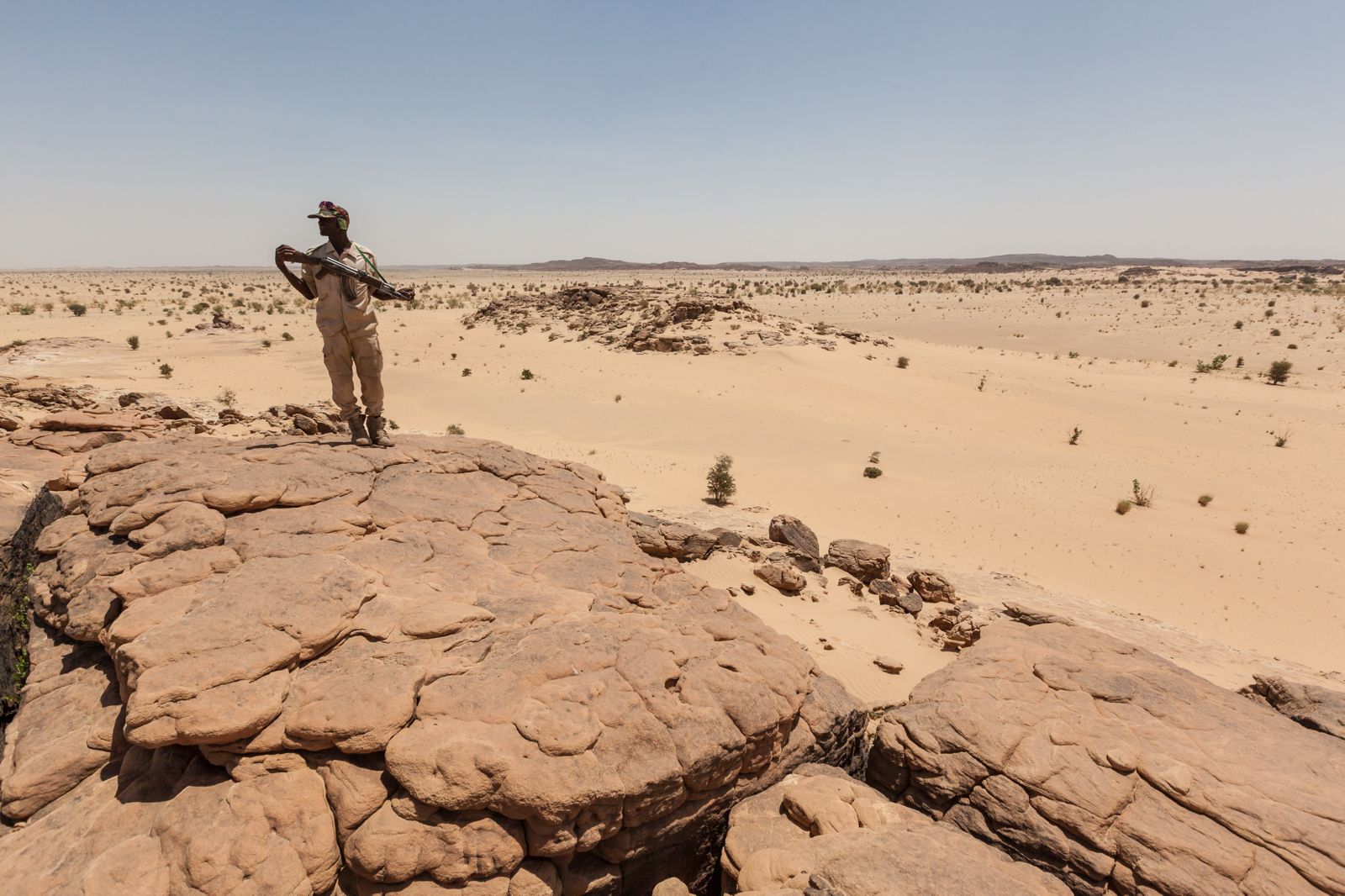
The climate crisis in the Sahel has become a defining geopolitical and human security challenge shaping the trajectory of one of the world’s most fragile regions. Stretching from Senegal to Sudan, the Sahel has become the convergence point of ecological degradation, governance fragility, violent extremism and humanitarian distress.
Yet despite growing international recognition of the relationship between climate stress and insecurity, global climate governance frameworks continue to struggle with integrating peace and security into meaningful climate action.
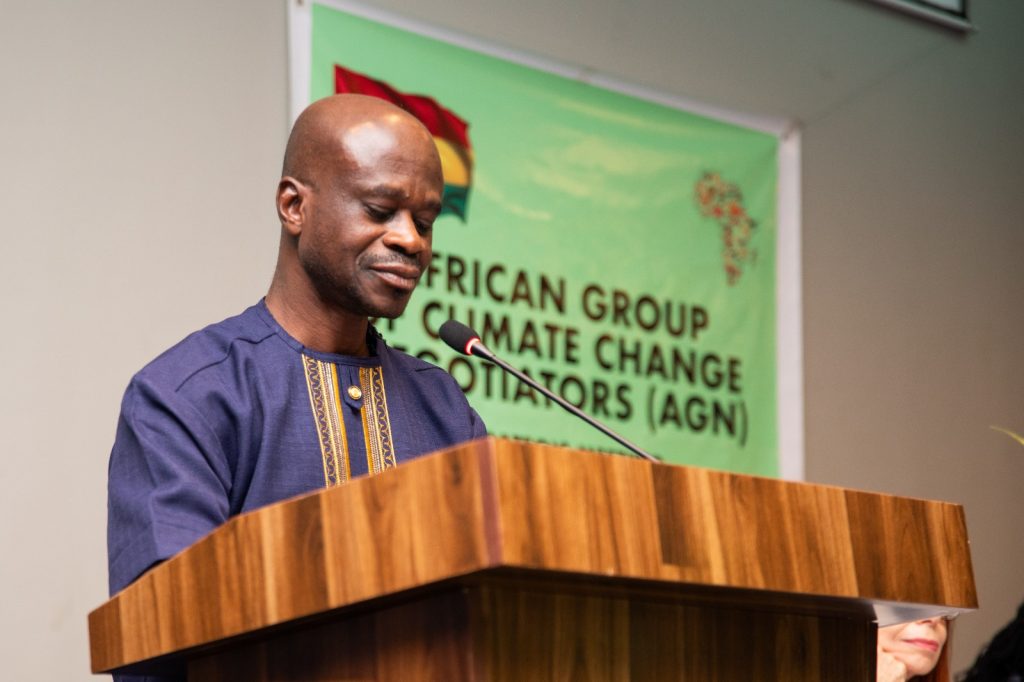
Following the negotiations held in Bonn ahead of COP31 later this year, the urgency of addressing the climate-conflict nexus has become increasingly difficult to ignore. For African negotiators, this debate extends beyond environmental policy. It concerns the future stability of vulnerable societies already confronting the combined pressures of insecurity, weak governance and economic fragility. The troubled Sahel region illustrates with alarming clarity how climate vulnerability, when left unmanaged within fragile political environments, can deepen instability and accelerate conflict.
The challenge facing the international community becomes whether global governance systems can respond to the complex realities emerging at the intersection of climate change, security and development. In the Sahel, climate governance is rapidly becoming inseparable from questions of state legitimacy, regional stability and human security.
Climate Stress, Governance Fragility and the Production of Insecurity
The climate-conflict nexus in the Sahel is often oversimplified through the suggestion that climate change directly causes conflict. In reality, climate change acts less as an isolated trigger and more as a threat multiplier that intensifies pre-existing vulnerabilities. Rising temperatures, prolonged droughts, desertification and increasingly erratic rainfall patterns are undermining agriculture and those who rely on it, disrupting pastoral systems and deepening competition over already scarce resources. Where governance institutions are weak and there is a limited state presence, these pressures can rapidly evolve into localised violence and broader insecurity.
Across the Sahel, such as in Mali, Burkina Faso, Niger and northern Nigeria, ecological stress has worsened tensions between farmers and pastoralists while at the same time weakening the mechanisms that have traditionally been used to manage resource competition, such as mobility. The collapse of the systems upon which people rely, has also created fertile conditions for recruitment by violent extremist organisations. Many of these groups are also exploiting local grievances linked to exclusion, poverty and state neglect. Violent groups operating across the Sahel are increasingly positioning themselves as alternative providers of protection, justice and economic opportunity in areas where public institutions have lost legitimacy.
These dynamics highlight a critical reality which is often overlooked within international policy debates; governance failure is frequently the decisive factor transforming climate stress into violent instability. Environmental pressures alone do not inevitably produce conflict. Rather, conflict emerges when political institutions lack the capacity, legitimacy or inclusiveness necessary to manage social and ecological pressures effectively. The Sahel’s crisis is not just environmental, it is fundamentally political.
In many parts of the region, people experience the state as absent, predatory or incapable of delivering the basic services and security they need. These failures have significantly eroded public trust while creating space for armed actors, criminal networks and military interventions. The recent wave of coups across the Sahel reflects broader frustrations with political systems that are perceived to have failed to adequately address security and development. Climate vulnerability adds to this wider crisis of governance.
Global Disconnect
Despite the growing recognition of climate-related security risks, international climate laws and policies remain poorly equipped to address the realities confronting fragile and conflict-affected regions. Within the United Nations Framework Convention on Climate Change (UNFCCC), discussions continue to focus primarily on emissions reduction, technological transitions and adaptation finance, while questions of insecurity and governance remain marginal to mainstream negotiations. Similarly, divisions and conflicting interests among major powers within the United Nations Security Council (UNSC) have limited efforts to create a more coherent global framework that links climate and security governance.
For African states, this disconnect presents serious challenges. Climate adaptation strategies cannot succeed in environments characterised by chronic instability, just as peacebuilding efforts cannot succeed without addressing environmental vulnerability and livelihood collapse. Yet existing the international regime continues to treat these policy areas as largely separate domains.
One of the most significant limitations of current global climate governance is the inadequacy of climate finance in fragile and conflict affected settings such as the Sahel. Accessing adaptation funding often requires extensive technical capacity and bureaucratic procedures that many vulnerable states struggle to navigate effectively. Moreover, financing frameworks are rarely designed to operate in environments characterised by insecurity, political instability and weak institutions.
Across the Sahel, adaptation finance remains fragmented, insufficient and disconnected from long-term peacebuilding priorities. This financing gap carries profound implications for regional stability. In fragile settings, delayed adaptation is not merely a developmental challenge, it can itself create insecurity. When communities lose their access to agriculture and other resources without alternatives or support structures, patterns of migration, recruitment into armed groups and localised conflict intensify. Climate adaptation in the Sahel must therefore be understood not simply as an environmental necessity, but as a strategic investment in peace and long-term stability.
Equally important is the need to rethink how resilience is built within fragile areas or those with conflicts. International approaches often frame resilience in a technocratic way, focused on infrastructure development, agricultural productivity or disaster preparedness. While these all remain important, resilience in the Sahel is fundamentally linked to how people are governed, the legitimacy of government and social trust.
Local communities across the region continue to rely on indigenous knowledge systems, traditional conflict mediation structures and adaptive practices that have historically enabled survival within their harsh environments. Community-based adaptation initiatives have demonstrated important successes where people at a local level are genuinely integrated into how their resources are governed and peacebuilding processes. However, international interventions often remain externally driven and are not responsive enough to local realities.
Where do Regional Organisations fit in?
African institutions therefore have a critical role to play in shaping how climate security is governed in a more context sensitive way. Regional organisations such as the African Union (AU) and ECOWAS possess growing opportunities to integrate climate risk analysis into peacebuilding, conflict prevention and regional security frameworks. Doing so would require stronger coordination between environmental governance, humanitarian responses and security policies at both continental and regional levels.
The role of COP
Importantly, African negotiators at Bonn and COP31 also possess an opportunity to reshape global debates on climate security. Africa’s engagement in climate diplomacy should not be limited to appeals for vulnerability recognition or financial assistance alone. The Sahel provides some of the clearest evidence globally of how environmental pressures, governance fragility and insecurity intersect. African states therefore possess important normative authority in pushing for more integrated approaches to global climate governance.
The COP31 negotiations later this year offer a critical platform for advancing this agenda. Discussions surrounding adaptation finance, loss and damage mechanisms and climate justice must more explicitly account for the realities of conflict-affected regions. This includes creating financing structures that are specifically tailored to fragile states; integrating conflict sensitivity into adaptation programming; and strengthening early warning systems capable of linking climate forecasting with conflict prevention mechanisms.
At the same time, there remains a need to avoid reducing the climate-conflict nexus solely to counterterrorism or militarised security frameworks. International engagement in the Sahel has too often prioritised physical or direct security responses while neglecting the wider drivers of vulnerability such as exclusion, shortcomings in governance and economically marginalised parts of the population. Militarised approaches alone cannot resolve ecological insecurity or restore institutional legitimacy.
The Road Ahead
The climate-conflict nexus in the Sahel represents one of the most defining governance challenges of this century. It reveals climate change to be a multidimensional crisis shaping questions of political stability, human security and international order. For the Sahel, the future of climate governance will be inseparable from the future of peace itself.
As global negotiators prepare for COP31 following the Bonn meetings, the central challenge is whether international climate diplomacy can evolve quickly enough to respond to the realities emerging across fragile regions. Technical agreements and financial pledges alone will not be sufficient. Effective responses will require political leadership, institutional legitimacy and governance systems capable of managing vulnerability before it hardens into permanent instability.
For African states, this moment also presents an opportunity to shape global climate governance more assertively. The Sahel offers urgent lessons about the consequences of ignoring the interconnected nature of climate risk, insecurity and governance failure. It also offers an opportunity for Africa to lead international conversations on how climate resilience, peacebuilding and sustainable development can be pursued together rather than in isolation.
** Dr. Folahanmi Aina is a Lecturer in Development Studies at SOAS University of London