Climate finance and continental ambitions
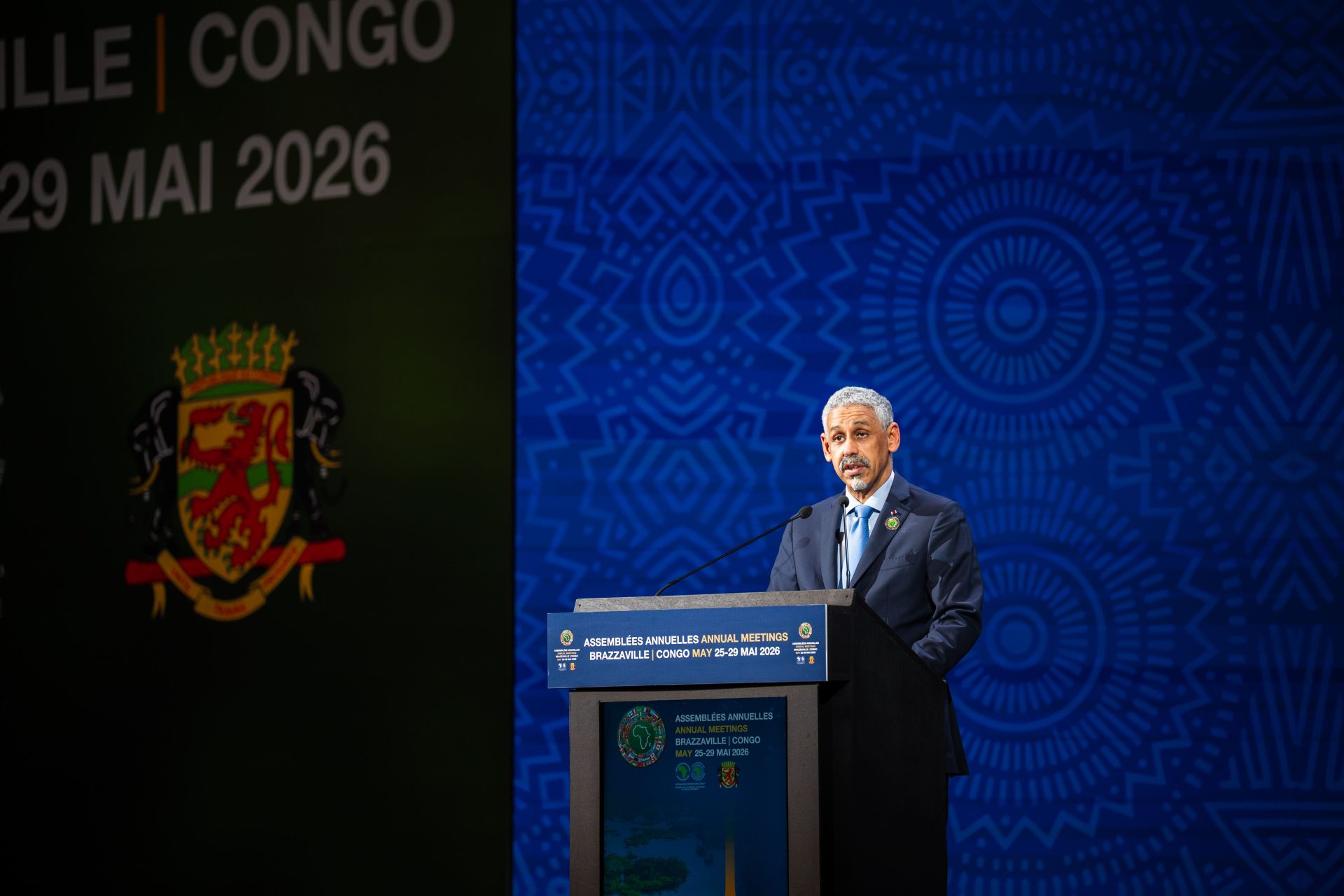
The African Development Bank (AfDB) wrapped up its 52nd Annual Meetings in Brazzaville at the end of May 2026, with a “celebration of a strong operational performance.” The Bank has managed to raise US$25billion in climate finance commitments in the midst of geopolitical fragmentation and conflicts that have put stability, food security and energy access at risk. It also celebrated its US$11billion replenishment for the African Development Fund (ADF), the bank’s concessional finance arm that provides low interest loans and technical support to vulnerable African countries. The Board of Governors further endorsed the institutional reforms under the Bank’s new President, Dr Sidi Ould Tah, and will continue the bank’s focus on regional integration, infrastructure, critical minerals, governance reforms and the Mission 300 electrification goals.
It is easy to see that the call by the governors is at the heart of the continent’s climate agenda, which fits comfortably within its Climate Change and Green Growth Strategic Framework, international treaties and the Mission 300 agenda. But these efforts are anchored on the availability of climate finance, with the Bank committing earlier to scale the continent’s share from 3% to about 10% at the turn of 2030, while expanding related private sector capital from 30 to 60%.
MDB climate accounting controversies and the false dichotomy
This reported progress is against the backdrop of increased scrutiny of the nature of climate finance provided by multilateral development banks (MDBs). While these banks have globally reported an increase in their climate finance commitments and disbursements, experts have criticised them, for including fossil fuel linked, mining and airport projects within this scope. This creates a tension where MDBs are caught between climate commitments and development priorities and spotlights the need for agreed accounting approaches.
Elsewhere, questions about transparency and the utilisation of finance remain largely unanswered. The consistent call by countries for finance instruments with low interest rates for climate action (as opposed to the loans which private capital tends to prefer) also remains unanswered in any meaningful way. Never mind that the agenda to mobilise more private capital to fill the gap has not performed well historically. Confounding the narrative further is pressure from political leaders for key MDBs to abandon their climate agendas in preference for other development priorities, which creates a false dichotomy.
US retreat, African self-reliance and new partnerships
The pressure to deprioritise climate finance is real, concentrated and almost exclusively emanating from the United States. At present the US is the largest non-regional shareholder in the AfDB. Under the current US Administration, the US Treasury proposed ending its contributions to both the AfDB and AFD entirely — a cut of approximately US$555million — on the stated grounds that climate action no longer aligns with US foreign policy priorities. This is in addition to the US having withheld a final US$197 million commitment which the Biden administration made in 2022, to the AFD. To close some of this funding gap, the Fund had to rely on African member states to raise US$180million to fund its concessional finance window – Africans paying for climate action. Some countries were contributing for the first time, and such an approach is progressive if the continent is to prioritise its own action.
The news of two co-financing mechanisms being launched US$800million, the Arab Bank for Economic Development in Africa and US$2billion from the OPEC Fund for International Development, perhaps provides evidence that the bank may still have allies in its quest to raise concessional finance for climate action. Luxembourg deepened its partnership with the AfDB in November 2025, focusing specifically on climate action alongside governance and gender equality, as Germany expanded its cooperation with the bank with emphasis on climate action and financial management. The AfDB also deepened its engagement with China through the renewal of an MOU with the Asia Infrastructure Investment Bank (AIIB), through which it has extended about US$300million to Rwanda to support development of renewable and clean energy solutions.
Dual strategy, tradeoffs and the unresolved adaptation gap
It appears that the Bank has adopted a dual strategy to deal with the asymmetric pressure: holding the line while diversifying. The AfDB is intensifying its climate delivery while systemically diversifying its funding base, as seen in the convening of the Africa Private Capital Mobilization Day in London to raise US$11billion for the AFD.
This approach presents costs and risks. The Bank’s climate finance spend as a portion of its total approvals is 49%. That eclipses that of the World Bank’s target of 45% which, for now, only exists until the end of June 2026. The Bank also remains the only MDB to have an equal balance in its adaptation and mitigation finance, further underscoring its commitment to adaptation. At the same time, the Bank’s emphasis on grants for adaptation in fragile states under its climate action window directly addresses the criticism that MDB lending only adds to debt distress while failing to deliver resilience.
The US withdrawal from the ADF replenishment came with its own costs. For instance, the ADF 17 round initially aimed to raise US$25 billion which African countries rallied behind, but the bank had to settle for US$11billion, less than half of the expressed needs. It is possible to imagine that this gap forces difficult tradeoffs. Every dollar not contributed by the US must be found elsewhere, through private capital mobilisation which typically favours mitigation projects with revenue streams over adaptation projects, which offer more public goods. Alternatively, it must find the funds by reallocating them away from other development priorities, reinforcing the false dichotomy of climate action versus development. The risk here is that the adaptation mitigation balance currently tilted toward Africa’s urgent resilience needs could be distorted by the harder reality of where private capital flows.
The growing engagement with Chinese capital markets and institutions may also carry their own unique set of tensions. While partnership with AIIB and the issuance of the Egyptian panda bonds represent innovative way of diversifying, China’s overseas development finance is increasingly merging with global norms rather than offering a genuine alternative paradigm for climate-aligned development. There is no evidence that Beijing is prepared to fill the gap left by the US’s retreat at anything approaching the required scale.
The African Development Bank thus is keeping to its climate finance mandate to a considerable extent given the geopolitical risks, and with greater resolve than most MDBs. It has done so in full awareness that, for Africa, climate resilience is not an optional ‘green’ agenda but a necessary condition for poverty reduction, industrialisation and human development.
The political pressure from Washington has not caused the AfDB to retreat like other MDBs. If anything, it has accelerated the Bank’s pivot toward African ownership, private capital mobilisation and south-south partnerships. On the other hand, limits exist, the ADF replenishment shortfall for one.
The reliance on private capital inevitably skews portfolios towards bankable, mitigation-oriented projects rather than the grants and highly concessional adaptation activities that fragile states require. No amount of diversification can fully insulate the bank from the geopolitical storms emanating from one of its biggest non-regional shareholders. The bank is keeping to its mandate, but it is doing so in a headwind, and the cost of that resolve is ultimately borne by the African communities who wait for climate finance that remains, even now, insufficient to the scale of the crisis they face.