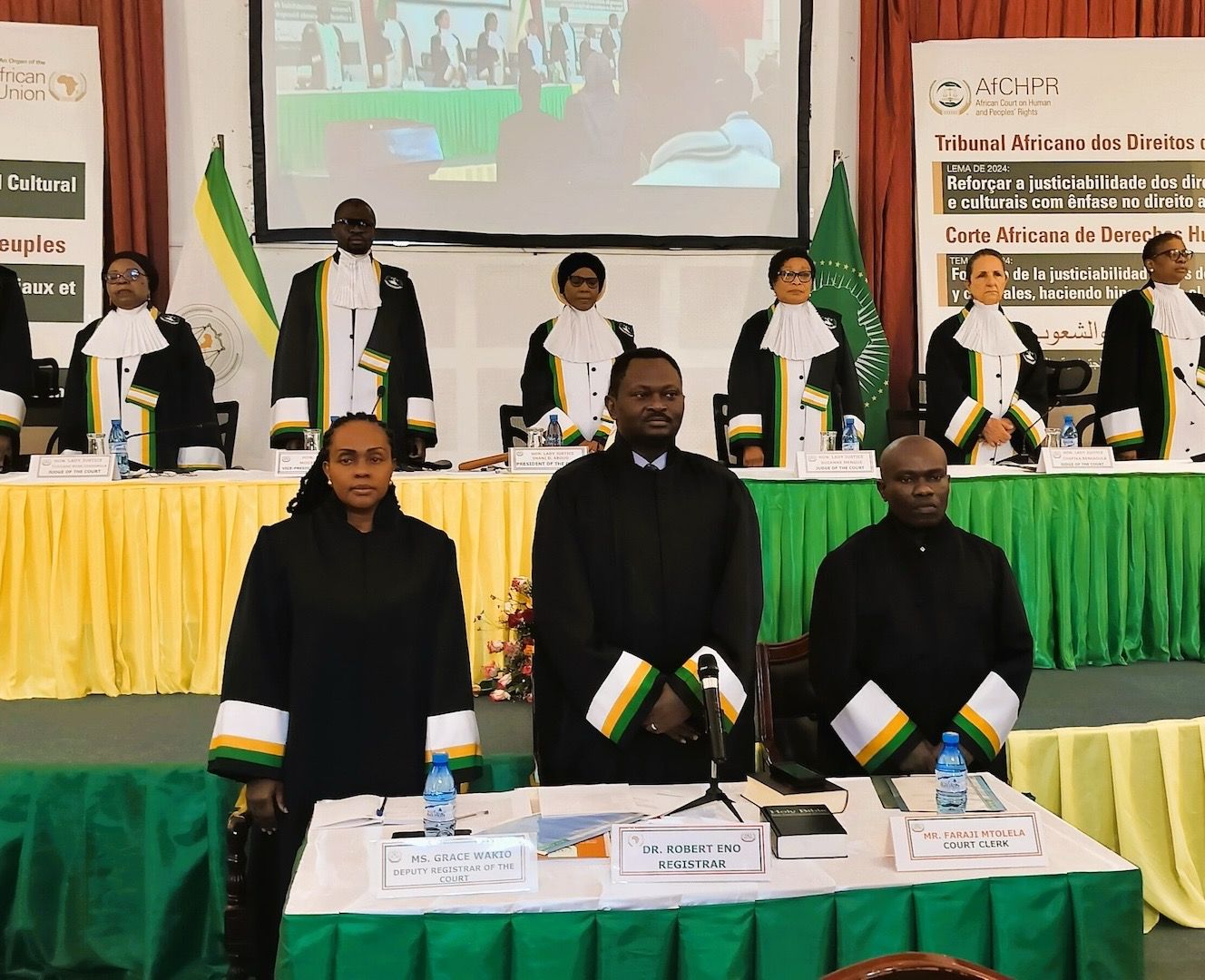
On 2 May 2025, the African Climate Platform (ACP) – a broad coalition of more than 100 African climate justice and environmental CSOs and activists, in partnership with the Pan African Lawyers Union (PALU), filed a historic climate case before the African Court on Human and Peoples’ Rights (the African Court). The group is asking the court for an Advisory Opinion that clarifies the human rights legal obligations of African States are in the context of climate change.
The group is basing its case, primarily, on the African Charter on Human and Peoples Rights (the African Charter), a regional treaty requiring African countries to protect and promote human rights. Across the continent, Africans are already suffering the consequences of climate change, whether from rising temperatures, unrelenting droughts, catastrophic floods, vanishing biodiversity, or threats to livelihoods. Current voluntary government responses and actions, not just of developed countries abroad but also African states, are falling far short of what is needed to halt and reverse the impact of climate change, which in turn is creating an unprecedented humanitarian crises across the continent.
Against this background, the case by the ACP and PALU is anticipated to be the most consequential climate case in African history, with the court invited to interpret international law and clarify the rights of citizens and obligations of African countries, in the context of the climate crisis.
Specifically, the African Court is being asked to consider what the legal obligations of all African Union member states are to protect their citizens from the harmful effects of climate change. In relation to this the group posed a series of detailed legal questions to the court, asking it to clarify: what are the positive obligations of African States to protect and safeguard individuals and peoples’ rights of past (ancestral), present and future generations and whether there is a legal duty protect highly vulnerable populations and groups. The court is also being asked to address whether States have a human rights obligation to facilitate a just transition; and, to clarify whether African States also have legal duties in relation to mitigation and adaptation. By way of example the petition is asking the court to confirm whether “this duty includes implementing policies and regulations to reduce greenhouse gas emissions, promote sustainable practices, and protect ecosystems vulnerable to climate impacts.” The petition also cites the provision of accessible and relevant information and the development of legislation as examples of how these obligations can be given effect to. It further requests the court’s opinion on the legal duties of States in relation to compensation and reparations for loss and damage
The petition also asks the court to consider whether African States are required to ensure that, when it comes to third parties, especially multinational corporations operating on the continent, international and regional climate treaties are respected and implemented. Lastly, it calls on the court to express a view on whether African states have any legal obligation to cooperate with other states, especially historic emitters, to pursue more ambitious climate action. Specifically, the group is inviting the court “to delineate the obligations on the African States to put pressure on historical emitters to do more to bring down emissions and attain a target well below the 1.5°C threshold.” Ultimately, anchored on the African Charter, the petitioners are requesting the African Court to interpret the many facets and implications of the climate crisis as a human rights crisis.
The African Charter provides for the protection of several rights of African citizens, which include the right to life, the right to health, the right to development, and the right to a satisfactory environment, which are all impacted negatively by climate change. A pro-rights Advisory Opinion from the African Court would affirm that climate action is not voluntary, but a binding human rights duty requiring all States to take action to address the crisis.
The petition seeks to transform climate protection from a political choice into a binding legal obligation, requiring States to take measures to protect vulnerable groups and hold those responsible for the climate crisis accountable. The filing of the case was promoted by a recognition that, without binding legal obligations, African governments will continue to respond inadequately to climate emergencies which are threatening the survival of entire communities. This case will address this by shifting climate action from an optional policy response into a binding legal duty for the 54 countries and 1.3 billion people on the continent.
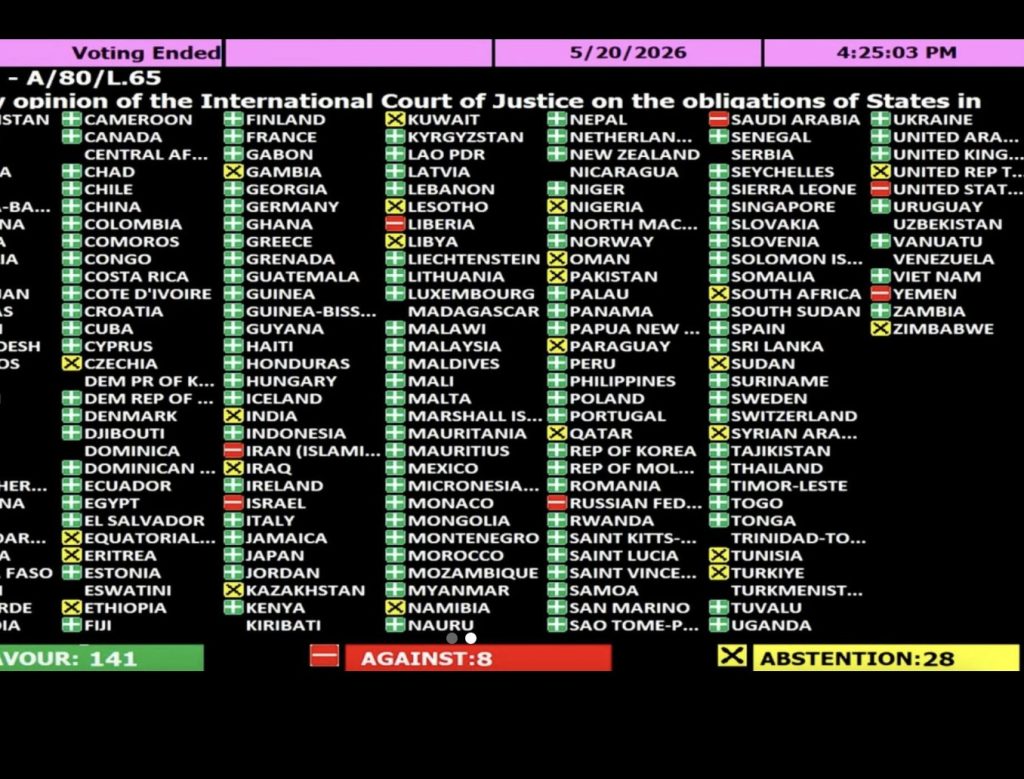
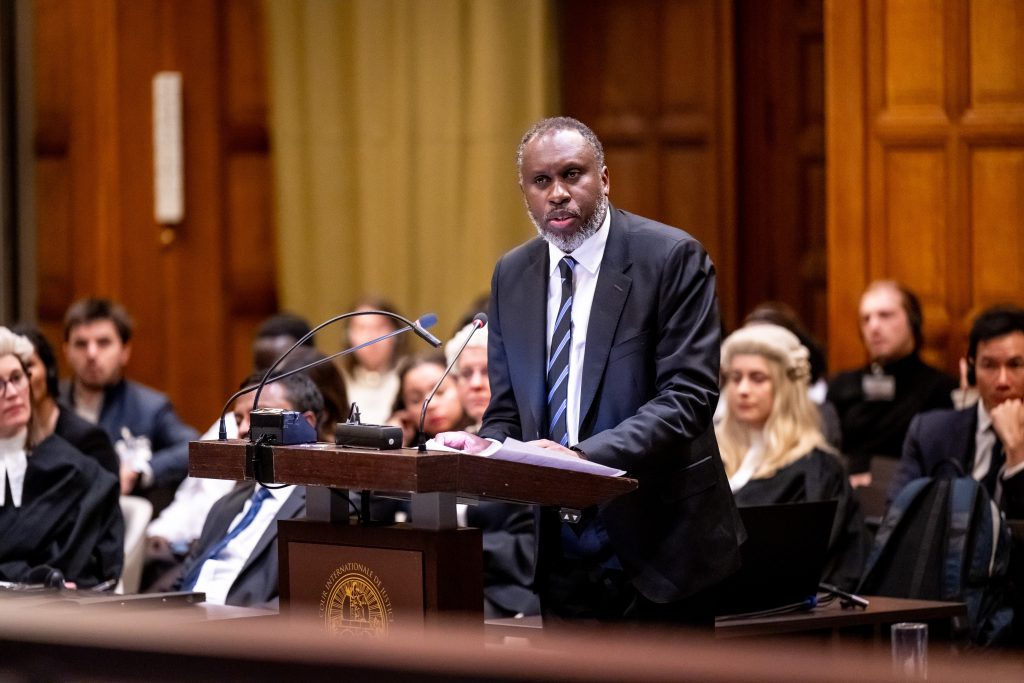
The African Court petition comes against a backdrop of rapid evolution in climate law, marked by three advisory opinions from other international tribunals over the past two years—each clarifying State obligations in the climate context. The International Court of Justice, the International Tribunal for the Law of the Sea, and the Inter-American Court of Human Rights have all issued landmark climate-related legal opinions. While relevant, a separate opinion from the African Court would be significant and precedential because it leverages a distinct legal and human rights framework developed by the continent. In doing so, it may address important gaps or issues left open or unaddressed by the other courts and tribunals.
The African Court opinion would ground the global climate justice conversation in the lived realities of the continent most impacted yet least responsible. It would provide a powerful, rights-based mandate for African governments to advocate more forcefully for global accountability at international forums and to enact robust domestic climate legislation and policies.
Applying the provisions of the African Charter, the Court will have the opportunity to create a new, “Afrocentric” jurisprudence on climate justice that emphasises a rights-based approach to resolving the climate crisis. This approach would enable the African Court to deliver an empowering judgment centring the jurisprudence on the African Charter to provide moral and legal validation to the millions of Africans already facing severe climate impacts. It would affirm that climate action is not merely a policy choice but a legal and human rights obligation for the continent’s governments.
Moreover, the Opinion would provide a first-of-its-kind climate-related authoritative interpretation of the African Charter that can be directly cited in national courts across the continent. The Opinion would also provide a legal basis for activists and communities to hold their governments and other GHG emitters accountable, using a common and directly applicable regional human rights standard.
Since the filing of the case earlier this month, the African Court has invited different stakeholders, including States, organs of the African Union, academia and other entities and individuals with expertise and interest in climate work and human rights, to file their observations and submissions on the issues raised in the climate petition. This process of inviting other parties to make submissions, also referred to as amicus briefs, assists the Court in issuing an advisory Opinion that takes into account expert and diverse opinions from a range of interested stakeholders on the climate case.
The case now awaits final determination, which lies entirely with the Court. Procedurally, the Court may elect to issue its final decision in the case, based on the written observations already made, or it may decide to first call for oral submissions from parties to the case before making its final pronouncement.
Either way, a decision should be imminent, and this case presents the African Court- the pre-eminent continental human rights court- with the unique opportunity to address one of the most urgent and existential threats to humanity- the climate crisis.
**Dzimbabwe Chimbga is an international human rights and climate justice lawyer. He is currently the Team Leader at the African Climate Platform and is the lead drafter of the Request for an advisory opinion in the context of climate change currently pending before the African Court on Human and Peoples’ Rights.