Author: Ian Henderson

EU Reiterates Promised Investment in African Energy through the Global Gateway

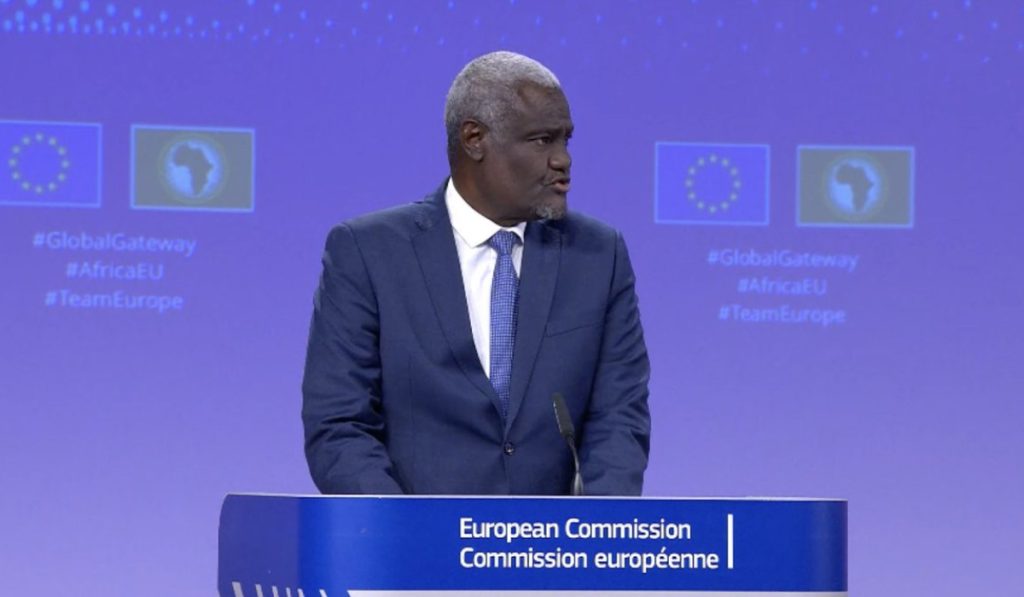
At a follow up meeting between the European Commission and the African Union, the EU reiterated its to increase investment in African clean energy projects and to scale up infrastructure investment. It will do so via the EU-Africa Global Gateway Investment Package, which was announced last year. The additionality of these funds, the role of the private sector and the lack of clarity on what they will be applied to however remains in question.

Post COP27 Developed Countries Keep Pursuing Fossil Fuel Projects

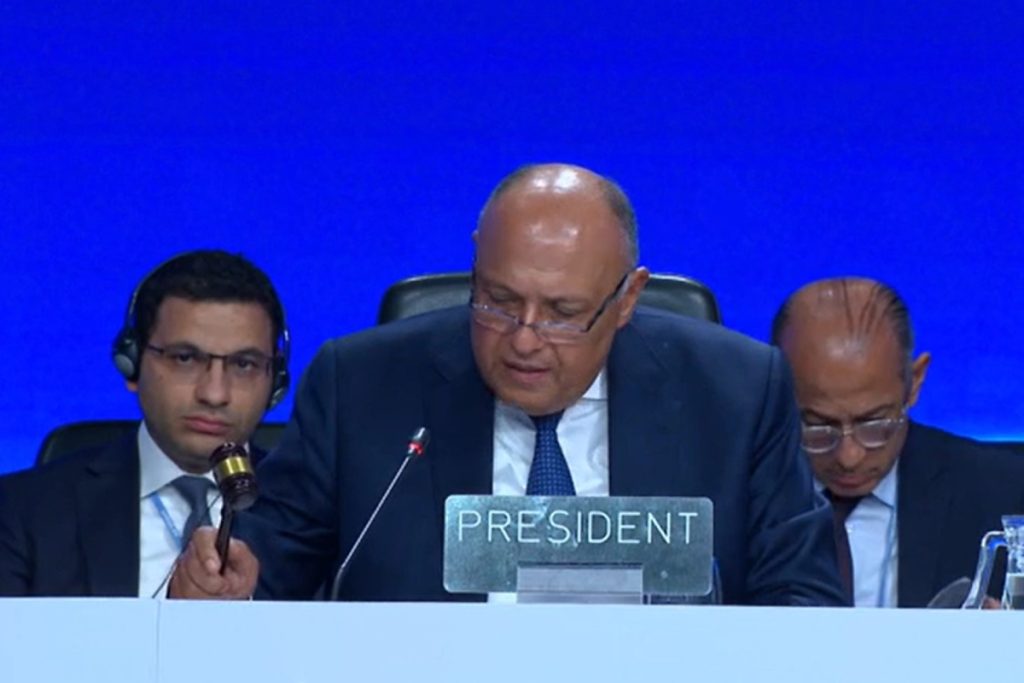
There has been much finger-pointing on which countries or regions were responsible for the failure to reach agreement on text to phase out all fossil fuels at COP27, with many developed countries expressing their disappointment on the lack of mitigation ambition. Yet many developed countries, particularly within the EU, are themselves concluding new fossil fuel deals, barely before the ink has dried on the Sharm el-Sheikh Implementation Plan. Germany is considering spending €10 billion in investing in 10 new fossil fuel projects, France just restarted a coal plant, and the UK just approved its first coal mine after 30 years.

COP15 mulls over a Global Biodiversity Framework

At this year's Convention on Biodiversity COP15 in Montreal between 7 and 19 December, Parties are deliberating over a Global Biodiversity Framework, which many are hoping will be a "Paris Moment for Nature". The draft framework is likely to be comprised of 21 targets and 10 ‘milestones’ to be achieved by the end of the decade. In our brief we consider linkages and similarities between these negotiations and the climate regime, in particular on finance and the global goal on adaptation.

Vanuatu publishes a Draft Resolution requesting an ICJ Opinion on Climate Legal Liability

Vanuatu, as part of a coalition of 18 states, has recently made available and intends to commence negotiations on a draft United Nations General Assembly resolution that requests an International Court of Justice Advisory Opinion on climate change legal liability. In our analysis, we discuss some of the legal considerations around the draft text and speculate on what it might mean for loss and damage.

COP27, Looking Back

In this long read, we unpack some of the key developments at COP27. We celebrate the establishment of the loss and damage finance facility and progress on the framework for the global goal on adaptation. We also engage with how attempts to erode the distinction between developed and developing countries, longstanding concerns around equity, and a failure to fulfil historic pledges are still stymying progress on finance and mitigation.

COP27: A Primer for African participants

Untangling and keeping track of the various negotiation threads at a COP is something of an art form. In this COP27 primer we unpack the key negotiation issues on the table and offer a view on the positions that countries are likely to take in the light of global developments. In particular, we highlight some of the key demands African countries are putting forward in relation to climate finance, loss and damage, adaptation, increased ambition, just transitions and fossil fuel phase outs.

Inter-Parliamentary Union supports a Loss and Damage Fund, but US states it won’t get it past Congress

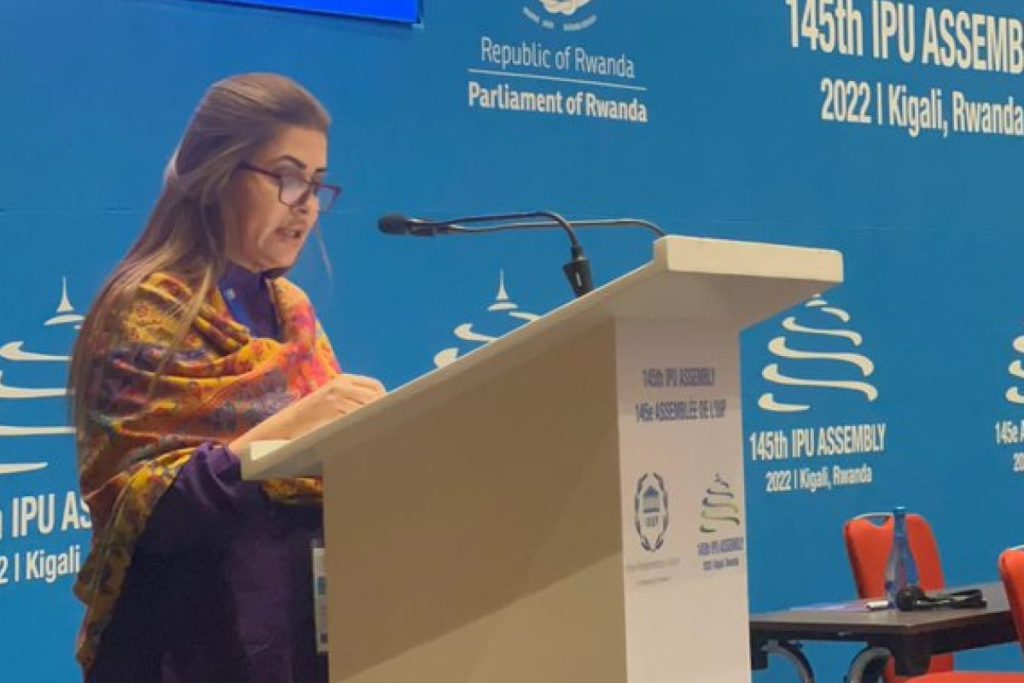
The Assembly of the Inter-Parliamentary Union (IPU) recently voted in favour of the emergency resolution put forward by Pakistan on the creation of “a Global Fund/Financing facility for climate Vulnerable Countries to Address Loss and Damage Associated with Climate Change", with more than 645 votes in favour. Parliamentary support is a key component in whether a loss and damage finance facility is agreed to internationally and can be highly influential on executive action. The US recently stated that while it is open to discussing the facility, anything that would need to go through the US Congress was a non-starter.

Four African countries part of a new group of 15 states seeking an ICJ opinion on legal liability for climate change

Mozambique, Morocco, Sierra Leone and Uganda have joined Vanuatu as part of a group of 15 nations called the "Core Group" which announced that they intend to bring a draft resolution to the General Assembly that requests an International Court of Justice opinion on the rights and obligations of states in relation to climate change. These opinions can be highly influential in subsequent legal proceedings, and can be used as a climate justice benchmark in climate litigation.

EU States start exiting the Energy Charter Treaty whilst African signatories increase

The Netherlands became the latest EU country to recently announce it would withdraw from the Energy Charter Treaty (ECT). Last week, Spain announced it would exit the treaty, and Poland is also in the process of withdrawal. There are concerns that the ECT locks signatory countries into unsustainable climate policies at the risk of litigation from oil and gas investors. Proposed draft amendments to alleviate this risk are considered insufficient and unclear. At the same time, African countries are increasingly becoming signatories to the ECT potentially tying the hands of government to freely design their climate policies.

EU Unclear on its Position for a Dedicated Loss and Damage Finance Facility

The EU’s position on a dedicated loss and damage finance facility remains unclear after a recent EU Council resolution on the issue of climate finance. The US is outright unsupportive of dedicated funding. Talks at the Kinshasa Pre-COP earlier this month were generally optimistic on this issue but did not yield any clear direction on how negotiations will proceed at the COP. A task team has however been put together to ensure Loss and Damage is placed on the formal agenda.