Category: Uncategorized

Africa Carbon Markets Initiative announces 13 action programs

The African Carbon Markets Initiative (ACMI) was launched at COP27 in November last year, with the ambition of having at least 300 million carbon credits from projects on the continent retired annually by 2030. At its Steering Committee meeting in January this year during the Abu Dhabi Sustainability Week, ACMI launched 13 action programmes to achieve this goal. This includes the development of “country carbon activation plans” which Kenya, Gabon, Malawi, Mozambique, Togo, Nigeria, and Burundi have all signed up to do.

IEA Recommends EU Pursue a “You Collect We Buy” Approach for African Methane Gas to Meet Immediate Demand

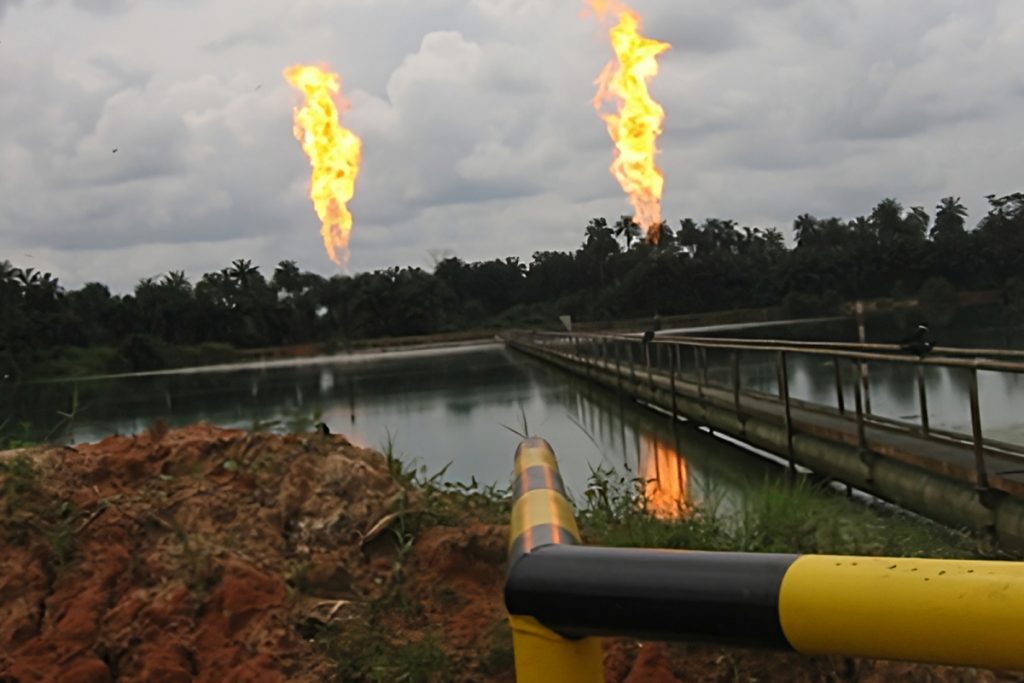
The IEA recently released a report highlighting that the EU’s potential gas supply-demand gap could reach 27 billion cubic metres in 2023. It lists a raft of measures that the Union could adopt, including the import of methane gas that is ordinarily vented and flared in African countries. It encourages the EU to commit to a “you collect, we buy” approach to plug the gap in supply in the short term, focusing on ready to export markets in Algeria, Angola, Egypt and Nigeria.

Steel Tariffs, Deforestation Rules and the CBAM see Climate Change Increasingly Used to Justify Trade Measures.

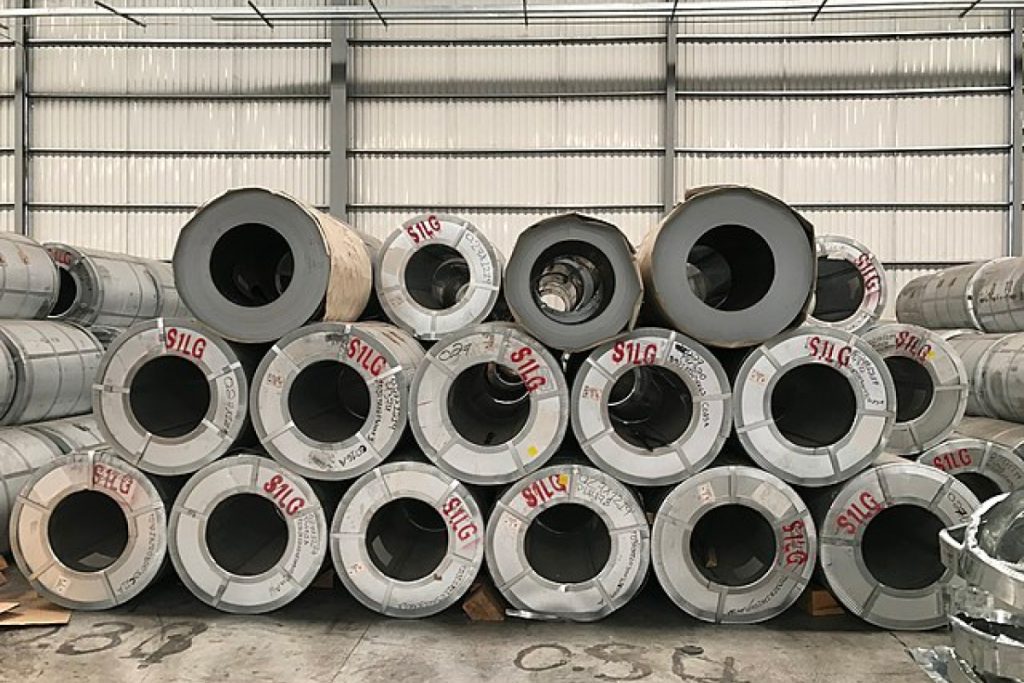
It has been reported that the EU and US are considering new steel tariffs on climate grounds, the revised design and implementation date for the EU’s Carbon Border Adjustment Mechanism was recently announced, and an agreement has been reached in the EU to pass new legislation guaranteeing that imported products are not linked to forest destruction or degradation. In this week’s brief we discuss how States are increasingly using climate change as a justification for imposing new trade measures, and consider their implications for the African continent. It has been reported that the EU and US are considering new steel tariffs on climate grounds, the revised design and implementation date for the EU’s Carbon Border Adjustment Mechanism was recently announced, and an agreement has been reached in the EU to pass new legislation guaranteeing that imported products are not linked to forest destruction or degradation. In this week’s brief we discuss how States are increasingly using climate change as a justification for imposing new trade measures, and consider their implications for the African continent.

Post COP27 Developed Countries Keep Pursuing Fossil Fuel Projects

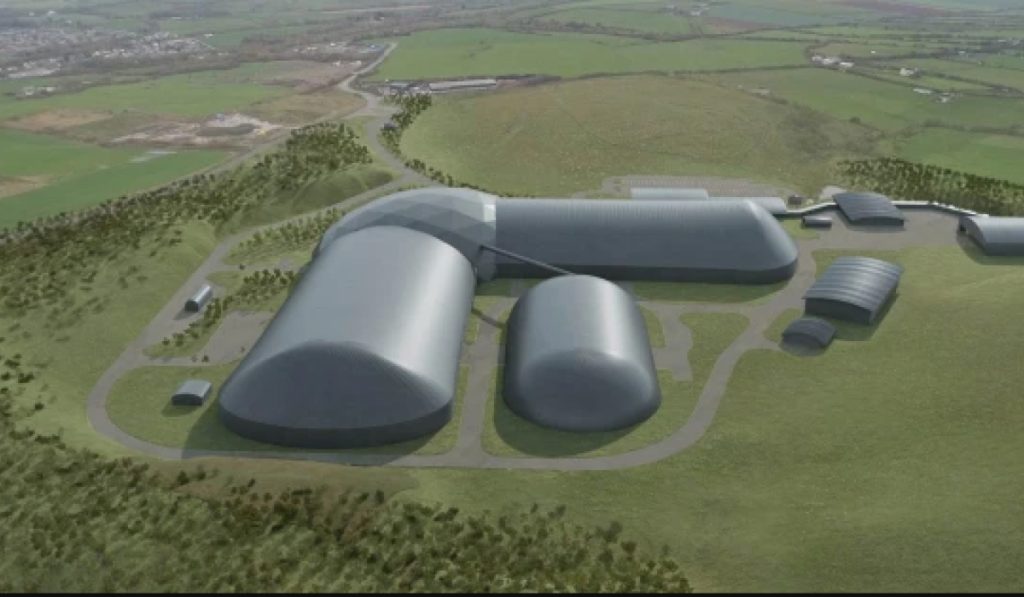
There has been much finger-pointing on which countries or regions were responsible for the failure to reach agreement on text to phase out all fossil fuels at COP27, with many developed countries expressing their disappointment on the lack of mitigation ambition. Yet many developed countries, particularly within the EU, are themselves concluding new fossil fuel deals, barely before the ink has dried on the Sharm el-Sheikh Implementation Plan. Germany is considering spending €10 billion in investing in 10 new fossil fuel projects, France just restarted a coal plant, and the UK just approved its first coal mine after 30 years.

Vanuatu publishes a Draft Resolution requesting an ICJ Opinion on Climate Legal Liability

Vanuatu, as part of a coalition of 18 states, has recently made available and intends to commence negotiations on a draft United Nations General Assembly resolution that requests an International Court of Justice Advisory Opinion on climate change legal liability. In our analysis, we discuss some of the legal considerations around the draft text and speculate on what it might mean for loss and damage.

Inter-Parliamentary Union supports a Loss and Damage Fund, but US states it won’t get it past Congress

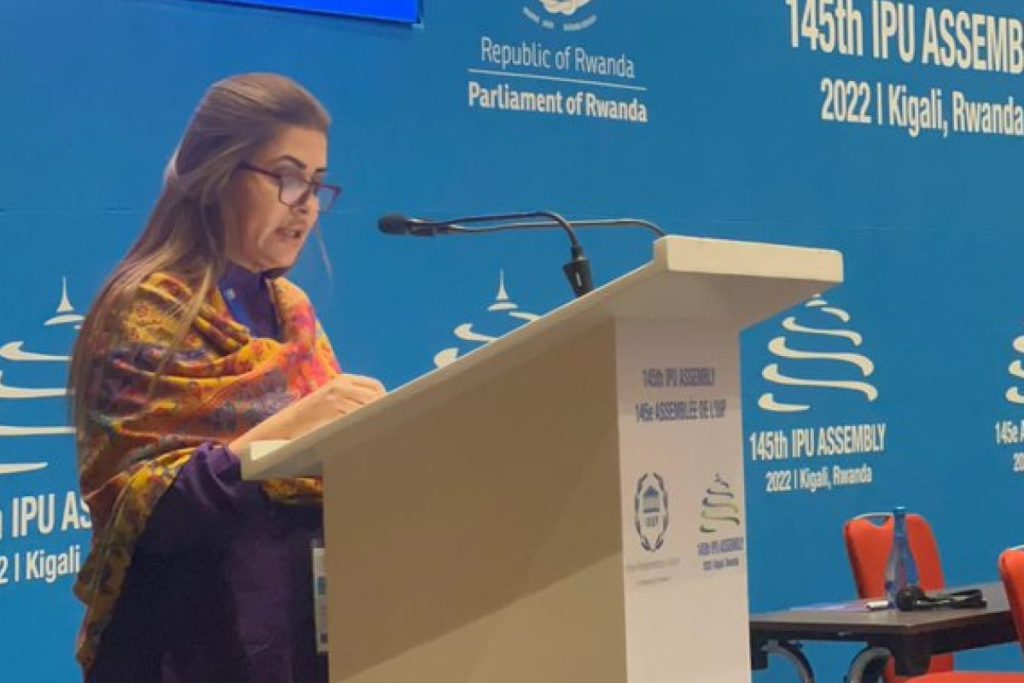
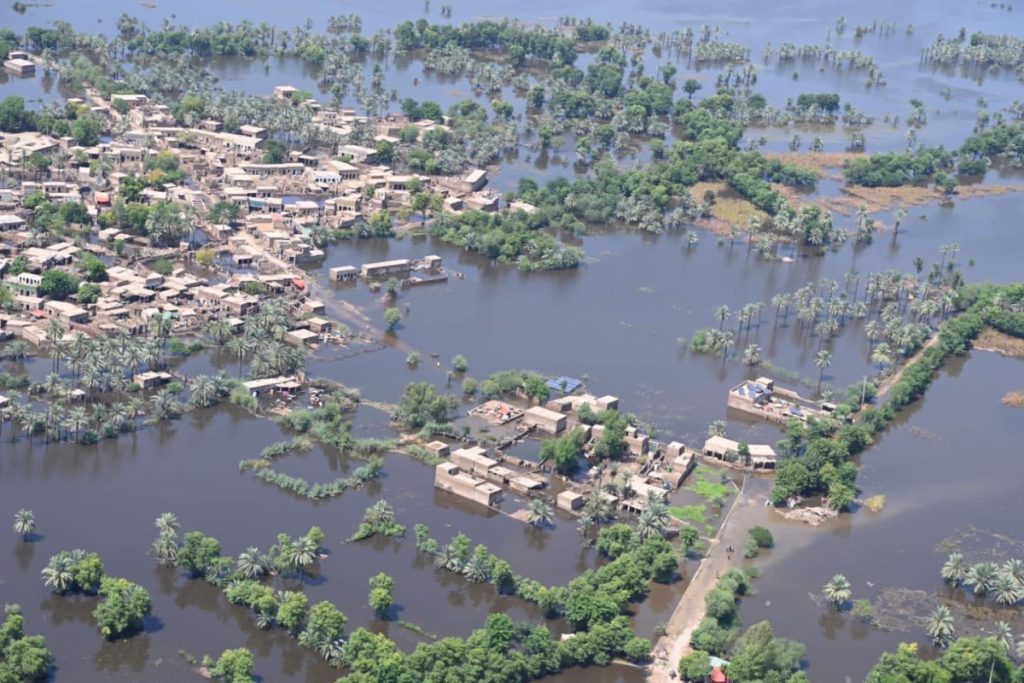
The Assembly of the Inter-Parliamentary Union (IPU) recently voted in favour of the emergency resolution put forward by Pakistan on the creation of “a Global Fund/Financing facility for climate Vulnerable Countries to Address Loss and Damage Associated with Climate Change", with more than 645 votes in favour. Parliamentary support is a key component in whether a loss and damage finance facility is agreed to internationally and can be highly influential on executive action. The US recently stated that while it is open to discussing the facility, anything that would need to go through the US Congress was a non-starter.

EU States start exiting the Energy Charter Treaty whilst African signatories increase

The Netherlands became the latest EU country to recently announce it would withdraw from the Energy Charter Treaty (ECT). Last week, Spain announced it would exit the treaty, and Poland is also in the process of withdrawal. There are concerns that the ECT locks signatory countries into unsustainable climate policies at the risk of litigation from oil and gas investors. Proposed draft amendments to alleviate this risk are considered insufficient and unclear. At the same time, African countries are increasingly becoming signatories to the ECT potentially tying the hands of government to freely design their climate policies.

US Climate Targets Might Open the Door for a Global Climate Club

The United States may be able to avoid the European Union’s planned border carbon tariff, because of its similar climate targets. This may in turn open the door for a climate club which will have implications for global trade.

EU Demand for Oil and Gas is High but Support for African Projects is Uneven

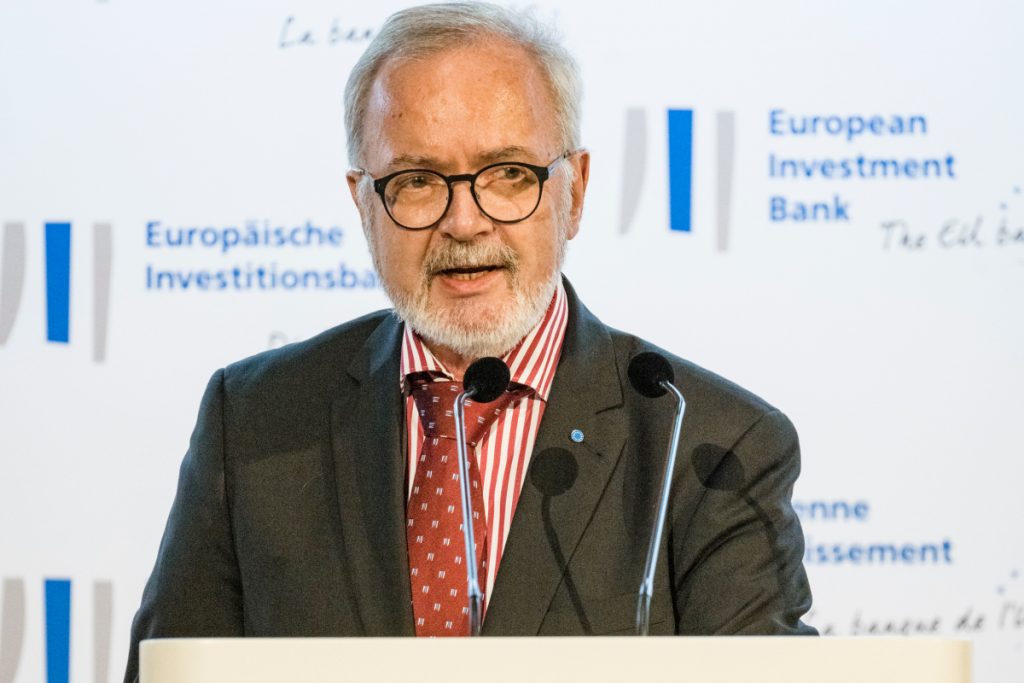
The European Investment Bank has reiterated its position that it will not fund any gas projects. The decision comes on the back of a European Parliament resolution expressing a lack of support for the proposed East African Crude Oil Pipeline. African countries have decried the EU’s position as inconsistent and contradictory.

Developing Country Blocs Reiterate Support for a Loss and Damage Finance Facility as Canada Pushes Back on Windfall Taxes

UN Secretary-General António Guterres, the LDC Group and the G77+China have reiterated their support for dedicated loss and damage finance. Denmark has also pledged initial funding towards loss and damage. However, the G20 has failed to seize an opportunity to advance country positions on loss and damage, and Canada has pushed back on suggestions that finance should come from oil and gas windfall taxes.