Author: THINKTEAM Support

No Place to Discuss the CBAM, not even the WTO

Hopes were high that the WTO’s 13th Ministerial Conference that ended on 2 March, would address climate change and trade, including measures like the CBAM. However, like COP28, countries could not agree to its inclusion, with India blocking discussions on what it considered to be a “non-trade issue”.

All Eyes are on the AU’s Climate Policy ahead of G20 Accession

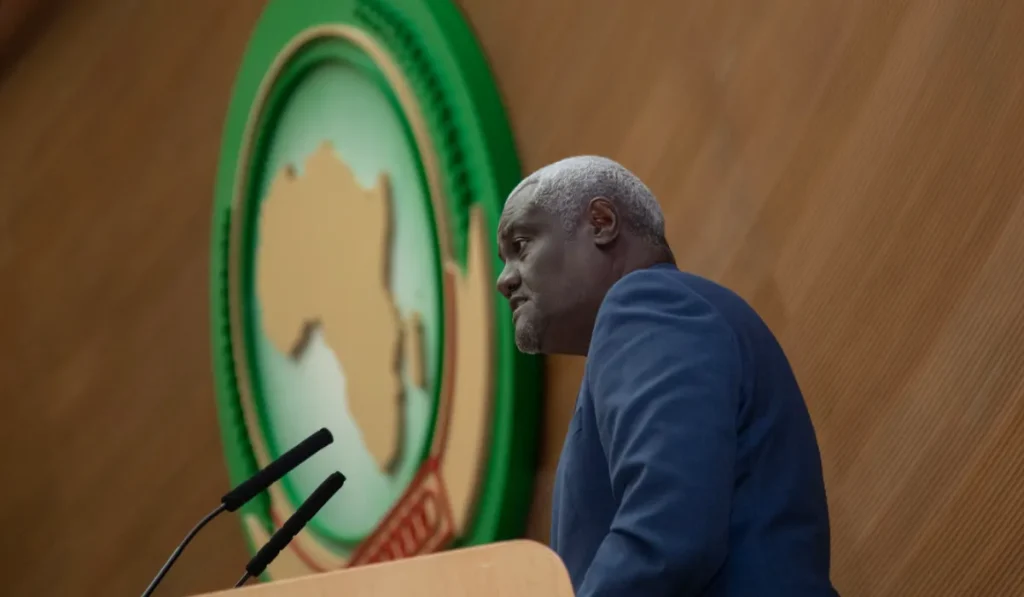
At its 37th summit, the African Union’s climate committee, CAHOSCC, endorsed the establishment of a body to implement the Nairobi Declaration, adding to the already large swathe of climate committees and institutions. However, its guidance on the region’s key climate political topics was thin. As the AU joins the G20, it will need to formulate far more detailed and comprehensive positions on climate if it is to be taken seriously.

No Consensus in the IPCC for a Loss and Damage Assessment or When it will Finalise its Next Major Reports

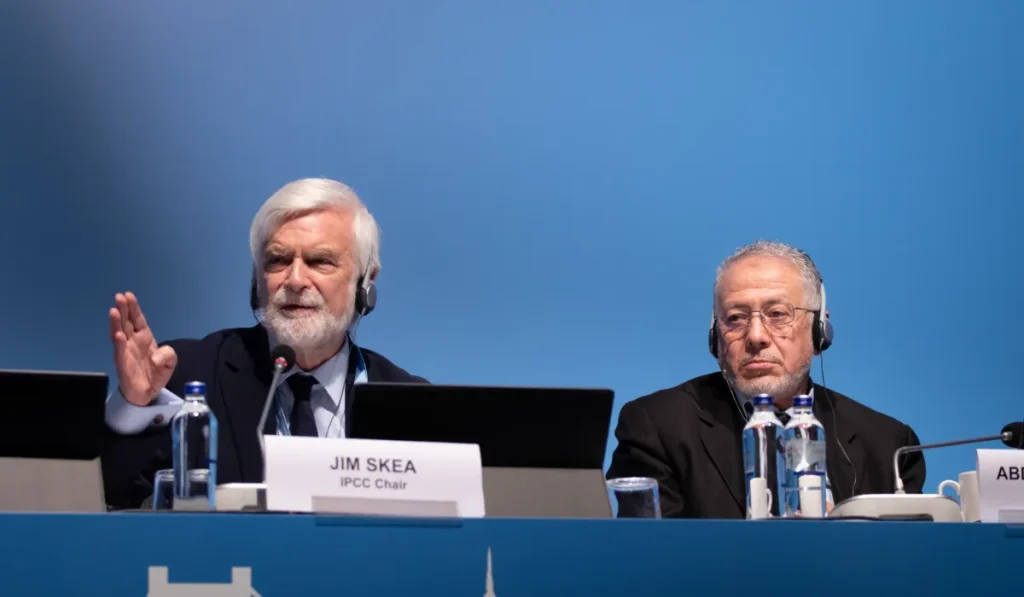
Last month, countries could not agree on whether to accelerate the pre-2028 delivery dates for the IPCC’s upcoming reports on the latest climate science. African countries will, however, welcome the decision to update the IPCC’s technical adaptation guideline, however the decision to not provide a special report on loss and damage will only frustrate efforts to progress loss and damage finance.

Ghana Imposes Vehicle Carbon Taxes: Are They the Answer?

Ghana’s introduction of a carbon levy on vehicles, follows a push by more than seven African countries who have done the same. Are product related taxes such as these, a better path for African countries looking to mature their carbon pricing systems, in the context of global pressure to do so?

Nigeria Expands its Climate Repertoire by Banning Certain Plastics

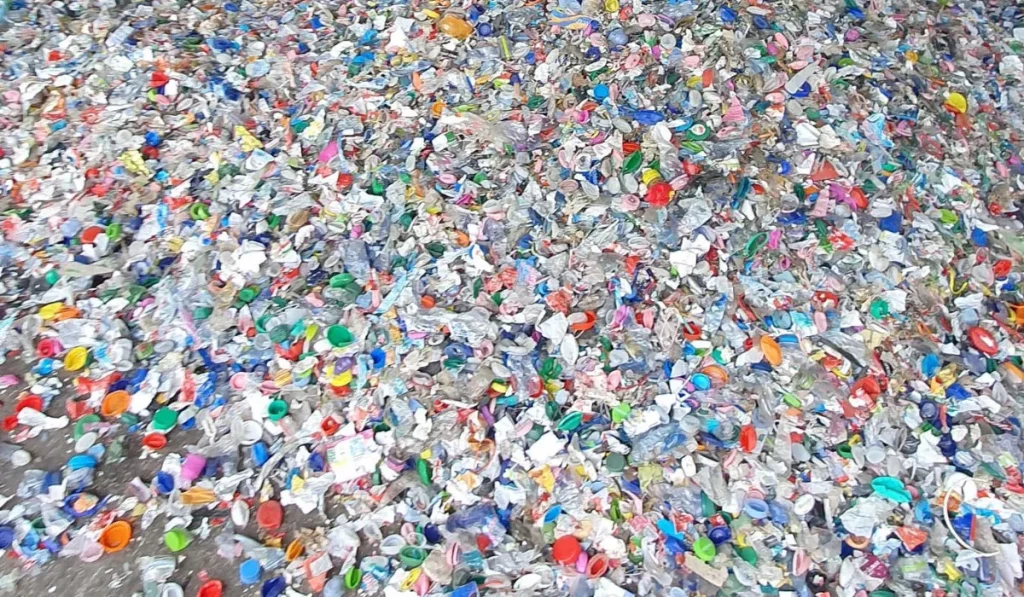
In January, the Nigerian state of Lagos introduced a ban on Styrofoam, sparking protests from industry and food vendors, but the Government has pushed back, stating it was long overdue. Nigeria is one of several African states pursuing measures to control the climate and environmental impacts of plastic, a role African countries could better claim in their climate policies.

Picky Eating: Food Systems Get a Small Serving at COP28

At COP28, Food Systems were finally introduced onto the plate of a major UNFCCC negotiation text. However, it was only in the context of adaptation and GHG emissions from the sector still remain unaddressed.

How might COP28’s outcomes impact the Private Sector in Africa?

On the side-lines of the COP, a series of climate finance announcements were made that could advance private sector climate investment on the African continent. Countries were able to reach agreement on key milestones such as renewable energy and energy efficiency which will undoubtedly shape global demand and supply chains. However, stalled progress on carbon markets and Article 6, and weak text on the phase out of fossil fuels may dilute the effectiveness of these milestones.

Agriculture at COP28: Outcomes and implications for Africa

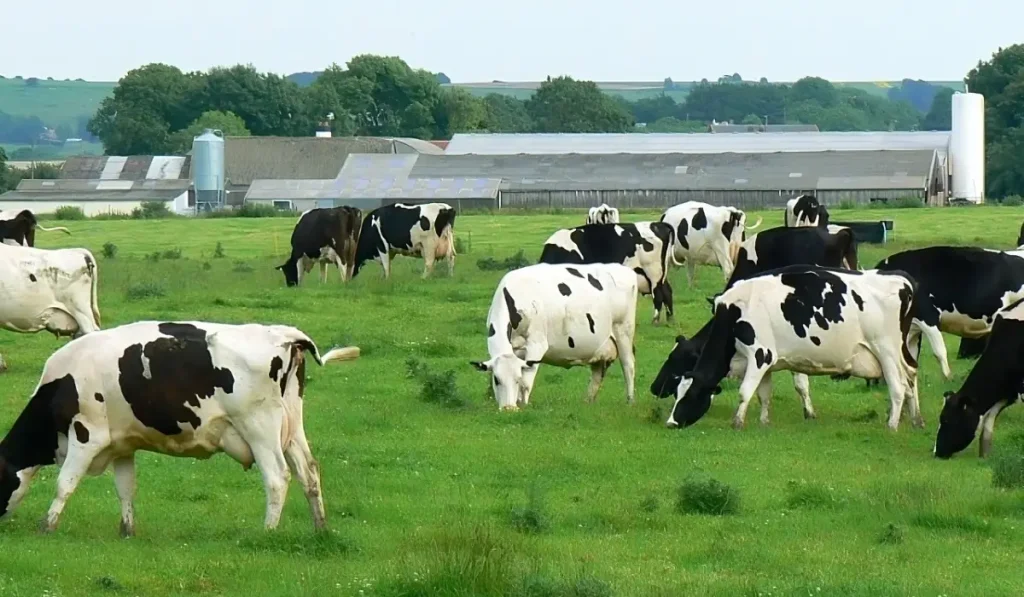
The African continent boasts vast agricultural potential and yet most countries are net food importers. For years agriculture has been a negotiation priority for many African states however progress at the COPs has been slow. At COP28, agriculture featured more prominently including within the UAE Declaration on Sustainable Agriculture, the Global Goal on Adaptation as well as the Global Stocktake. However, the failure to reach any agreement under the Joint Work on Implementation on Agriculture and Food Security was a missed opportunity.

COP28: where did we land on Carbon Credits?

While there was some progress on several outcomes at COP28, many texts and decisions remain unfinalised. One of these relates to carbon credits under the dedicated provision for market and related mechanisms under the Paris Agreement: Article 6.

COP28: Looking Back

As we emerge from another fraught COP, we undertake our own stocktake of where agreements were wrought and where further work still needs to be done, by focusing on key outcomes for African countries in relation to Adaptation and the Global Adaptation Goal, Mitigation and fossil fuels, the Global Stocktake, Loss and Damage, Just Transitions as well as trade.