Author: THINKTEAM Support

Baku’s Big Promise: Will COP29 Throw Africa a Financial Lifeline for an Energy Transition, or Just Another Fossil – Fuelled Fantasy?

As pre-negotiation meetings progress at COP29 in Baku, the spotlight turns to Africa's urgent need for accessible, equitable energy transition finance. Will this conference break from precedent and deliver tangible financial commitments that support a sustainable, Africa-centred transition and growth?

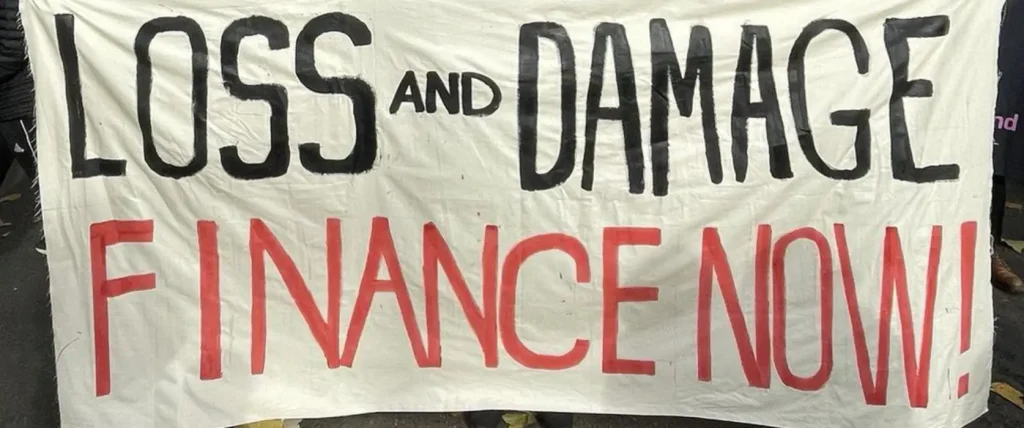
Loss and Damage Finance: Youth-led COP29 Expectations and Demands

Lamis Elkhatieb from the Loss and Damage Youth Coalition writes on the group’s expectations for COP29 on loss and damage finance, and the operationalisation of the Fund for Responding to Loss and Damage.

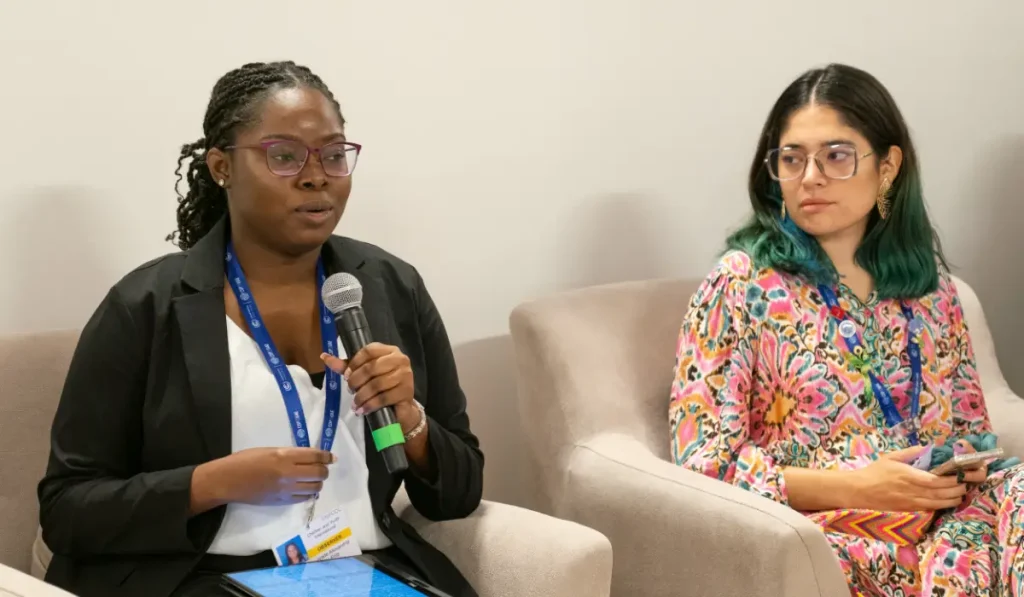
Youth Delegates need more concrete action from COP29

Youth activists have been vocal about the need for concrete action towards addressing climate change for the sake of their futures. Although previous COPs have produced commitments to youth-centred climate policies, there has been little follow through or binding agreements. Do youth delegates still stand to gain from participating in climate summits?

Revisiting Article 6 at COP 29: What’s at Stake for Africa?

The Azerbaijan COP presidency has identified carbon offsets and the related operationalisation of Article 6, as a major priority, calling it “the second major expected deliverable of COP 29”. This article sketches the critical issues to be discussed at the COP, including letters of authorisation for the international trade of credits, and GHG removal projects, and Africa’s priorities. 

Africa Gen Z Battle Harsh Seed Laws

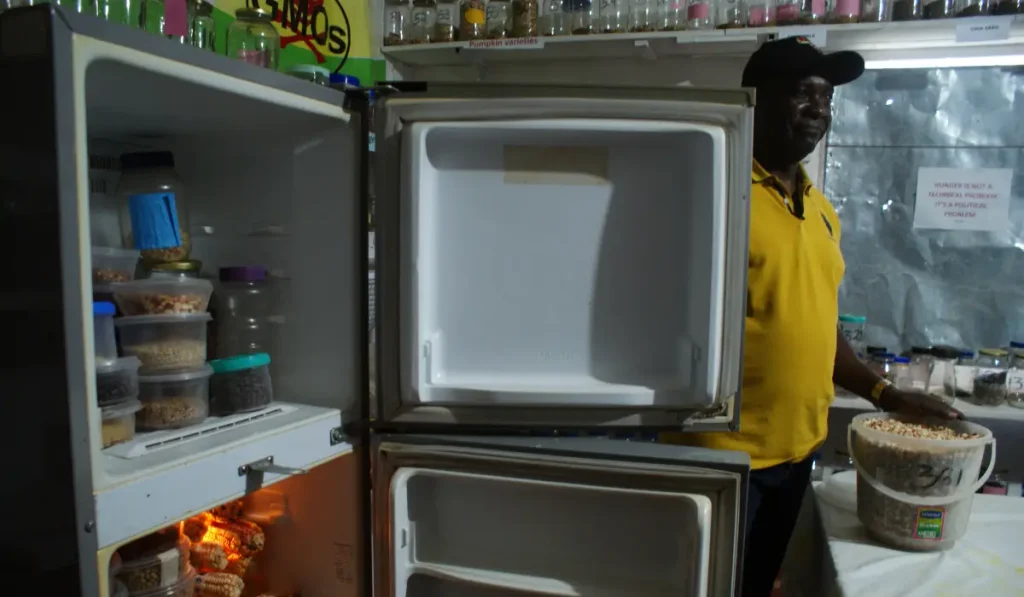
Some African countries are criminalising the use of native “uncertified” seeds, which many believe are more resilient to climate change. Governments believe certified seeds boost productivity, but rights groups claim they undermine traditional food systems while protecting industrial plant breeders’ rights. Youth groups are seeking to turn the tide by pushing governments to include food sovereignty, security and agroecology issues within national policies.

Financial Chains or Gains? World Bank & IMF May be Undermining Climate Action in the South

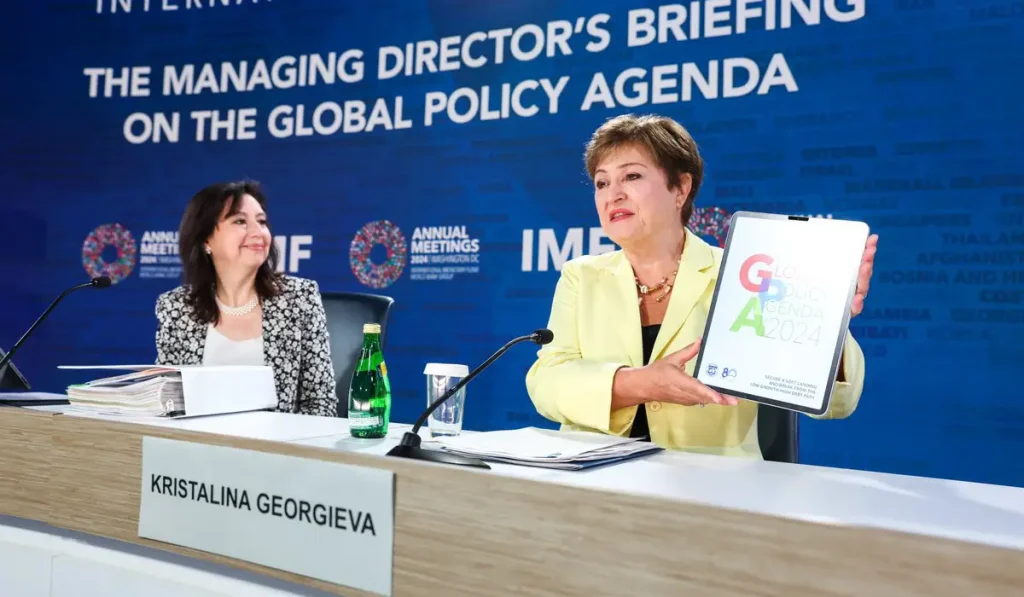
As the IMF and World Bank convene for their 2024 meetings, calls for reforms and climate finance remain unmet, leaving vulnerable countries in the Global South burdened with debt surcharges and limited access to resources. The institutions' actions, though promising on paper, continue to fall short in supporting real climate action.

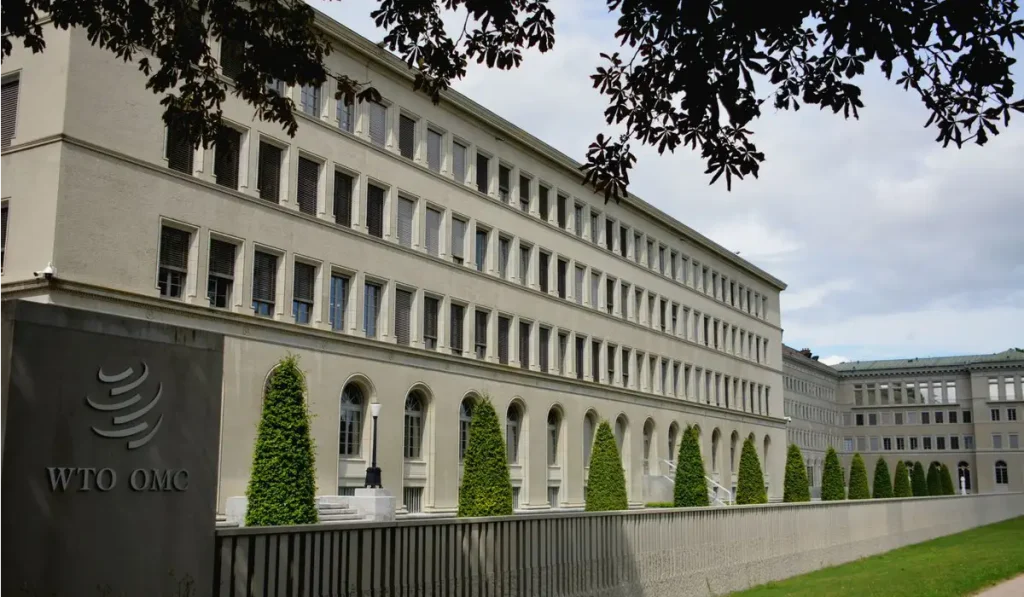
WTO Calls for Global Carbon Pricing, Acknowledges risk of Climate related Trade Measures on Developing Countries

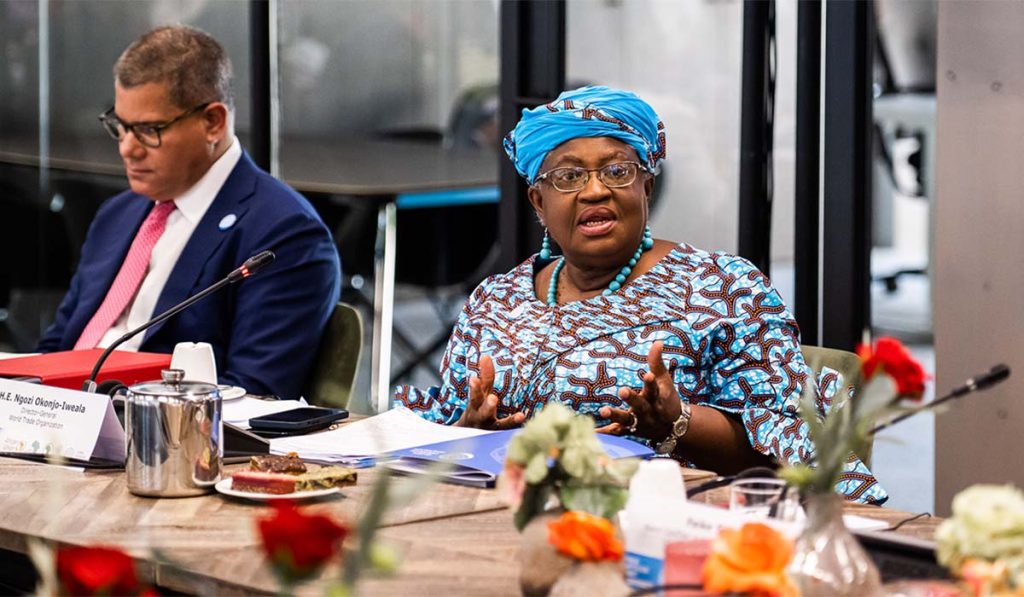
The WTO continues to support the roll-out of carbon pricing in all countries to avoid litigation on current and future climate related trade measures, like the CBAM. However, it acknowledges that developing countries are at risk from these measures, and are especially impacted by short transition periods, a lack of financial capacity and a lack of infrastructure to adapt.

What to expect from African leaders at the Biodiversity COP

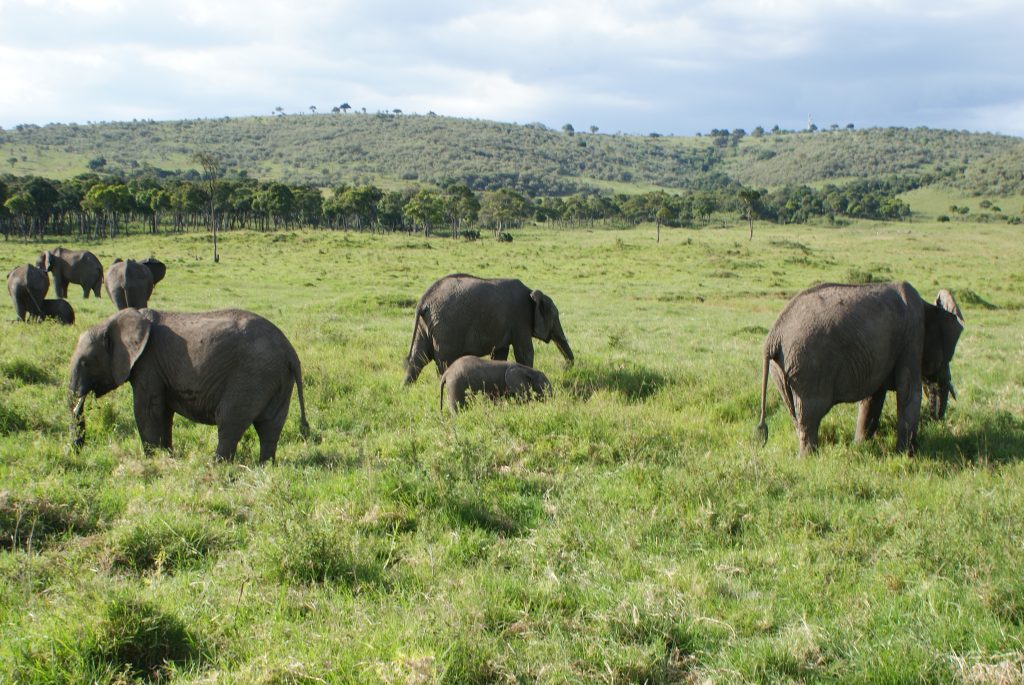
Ahead of COP16, African countries are looking to push for a global biodiversity fund under the direct control of the COP, meaningful indicators to measure the achievement of the global biodiversity targets, and obligatory payments for the use of digitally sequenced genetic information.

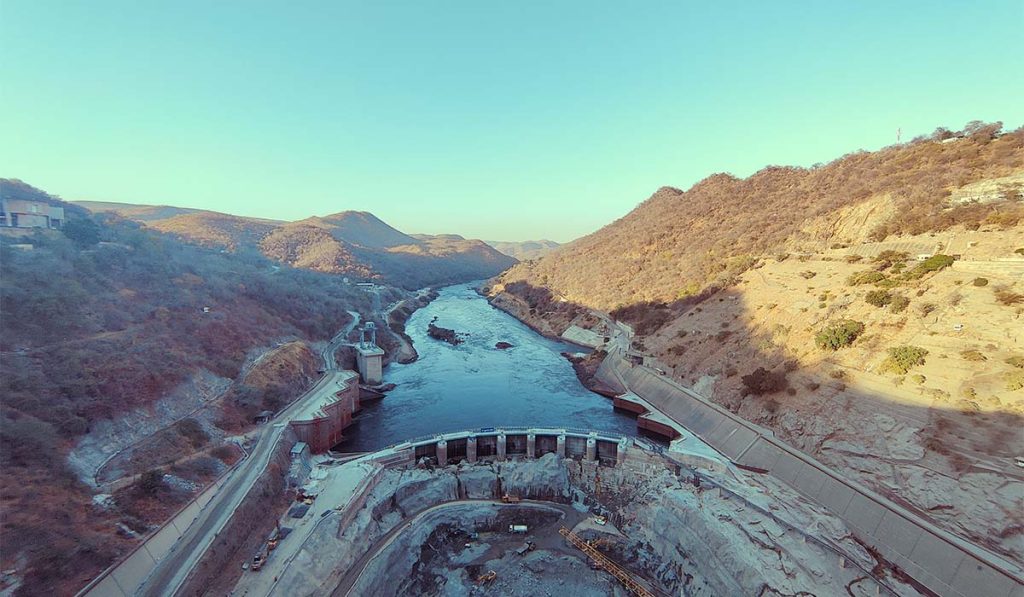
Zambia ill Prepared for Climate Disasters

In the wake of an extreme dry spell exacerbated by climate change, Zambia’s President Hichilema declared the drought a national disaster earlier this year. But is the country’s disaster management framework sufficiently robust, and is funding freed up by the hard-won debt-relief programme getting to the activities it needs to?

Does a Legal Challenge to the CBAM have Merit?

There have been numerous complaints and threatened legal actions against the EU’s CBAM alleging it violates global trade rules, but do these bear any prospect of success? Saweria Mwangi, a trade lawyer and former WTO dispute settlement attorney unpacks the legal underpinnings and merit of these claims.