Author: Ian Henderson

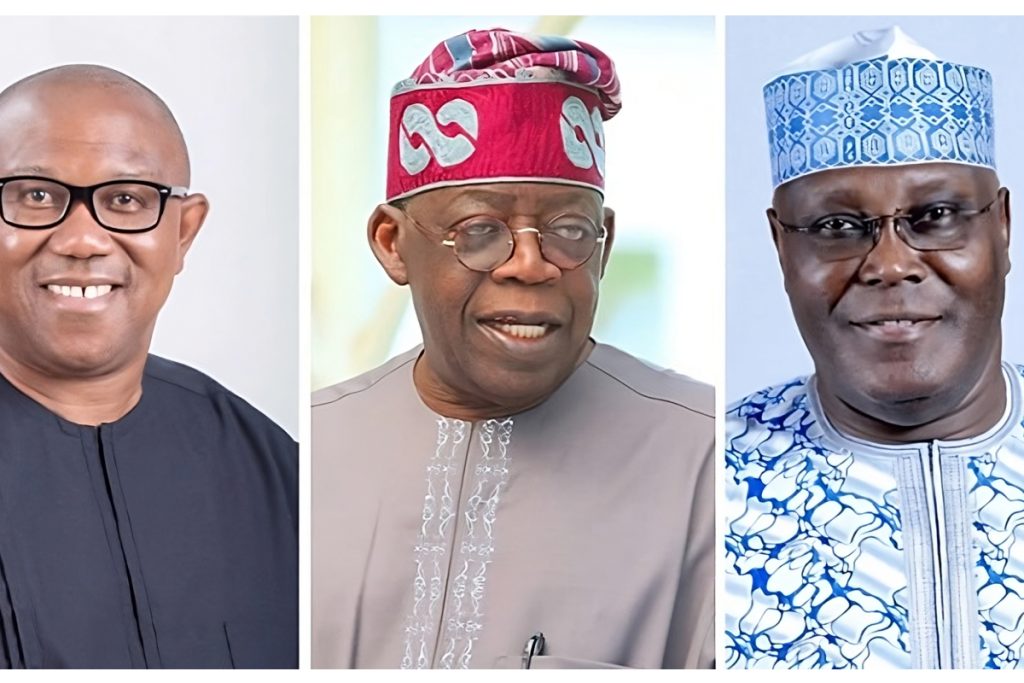
Nigeria’s Leading Presidential Candidates Unimpressive on Climate with only Obi Reimagining Change

Climate change was not meaningfully addressed in any of the parties’ manifestos, and none of the candidates have demonstrated how they will practically upscale adaptation, mitigation or the finance challenges plaguing Nigeria.

Coalition of Trade Ministers on Climate is Launched, While EU Pursues Climate Protectionism

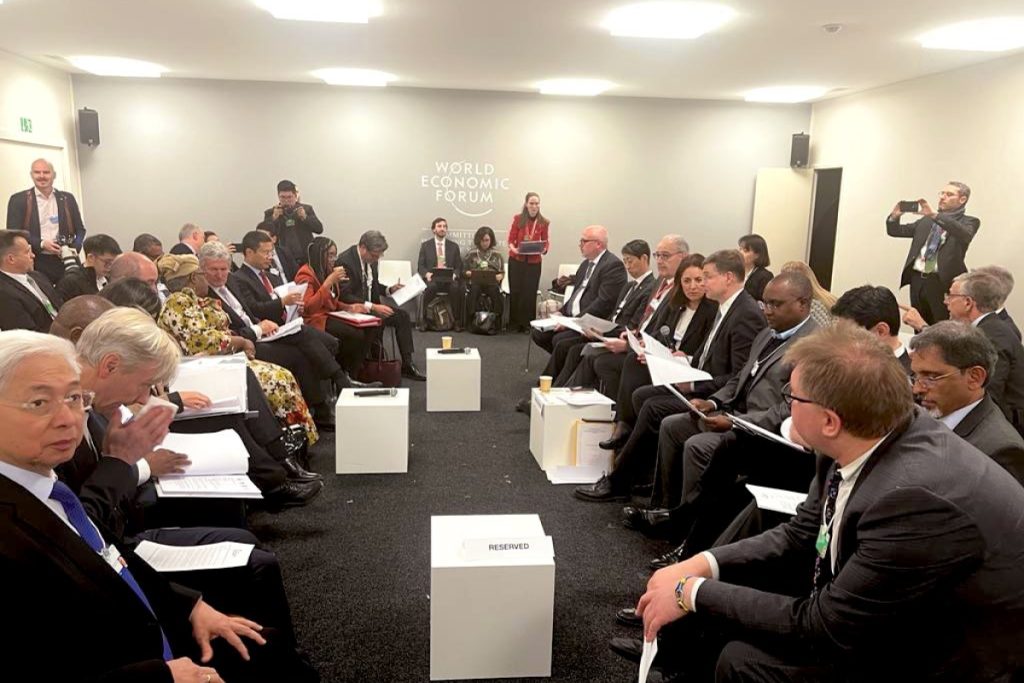
As trade and climate become increasingly prominent on the global agenda, the newly established Coalition of Trade Ministers could play a foundational role in breaking down siloes between the international trade and climate communities, as well as bridging developed and developing country interests.

African Countries Again Object to US Attempts to Influence the Strategic Direction of Global Climate Funds

African governments have sought to prevent the US from co-chairing the Green Climate Fund, on the basis that it has failed to live up to its promise to deliver $2 billion in climate finance to the fund. This follows on from the unsuccessful attempt by the US to take part in negotiations on the Adaptation Fund at COP27 last year (which were objected to by South Africa), even though it was not a party to the Kyoto Protocol under which the Fund was established.

African Group of Negotiators say COP27 Delivered on its Mandate

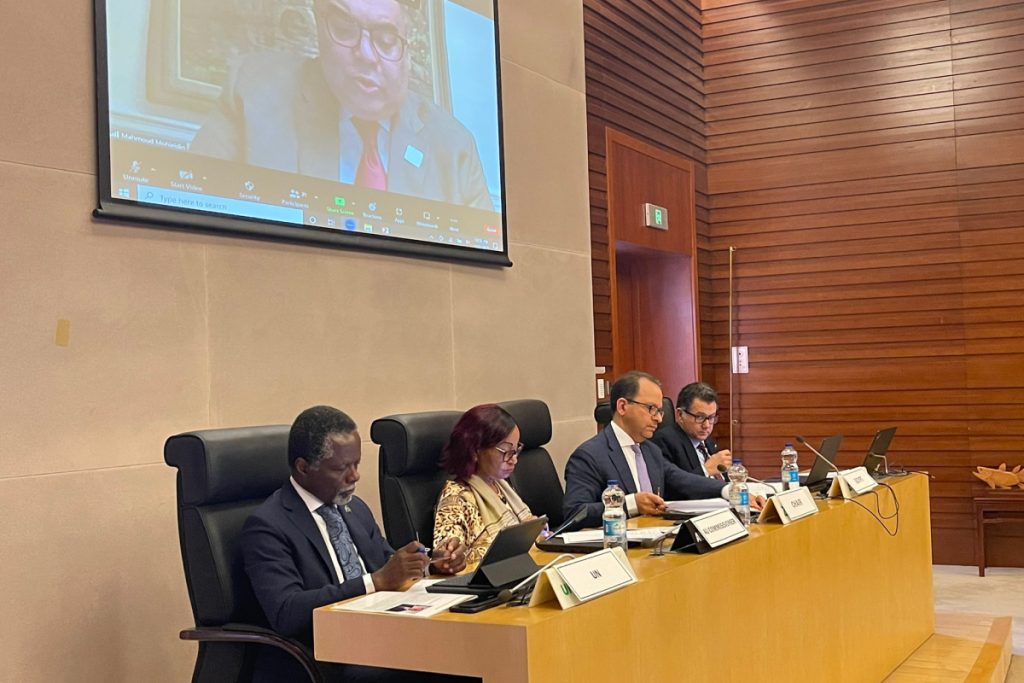
At this year’s Africa Climate Talks, the Chair of the African Group of Negotiators briefed African Union member states and stakeholders on the outcomes of COP27. He acknowledged that while some considered it to be a failure, the position of the AGN is that success is measured in light of the mandate given, and that COP27 delivered on its mandate.

Africa Carbon Markets Initiative announces 13 action programs

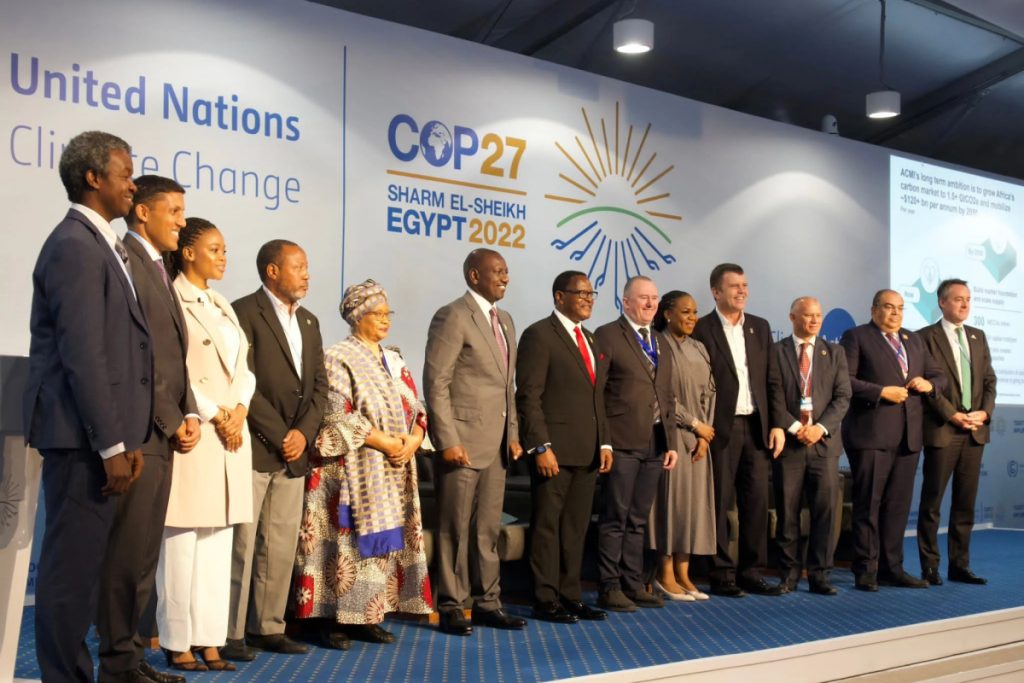
The African Carbon Markets Initiative (ACMI) was launched at COP27 in November last year, with the ambition of having at least 300 million carbon credits from projects on the continent retired annually by 2030. At its Steering Committee meeting in January this year during the Abu Dhabi Sustainability Week, ACMI launched 13 action programmes to achieve this goal. This includes the development of “country carbon activation plans” which Kenya, Gabon, Malawi, Mozambique, Togo, Nigeria, and Burundi have all signed up to do.

Biodiversity Gets its Paris Moment: Climate Takeaways from COP15

In the early hours of the morning on 19 December 2022, the gavel came down on the 15th COP of the Convention on Biodiversity, hosted in Montreal under the Presidency of China. The outcome of the COP is the Kunming-Montreal Global Biodiversity Framework (GBF), the product of more than four years of global negotiations. Some of the debates at the negotiations will be familiar to veterans of the climate negotiations, including on the ambition of 2030 and 2050 targets and their specificity, a lack of finance for developing countries to meet the targets, the ability of states to determine how to meet the global targets through national planning frameworks, the ratcheting of ambition, the protection of indigenous community rights and special dispensations and considerations for small island states and least developed countries. In our analysis we highlight some of the key aspects of the GBF, particularly as they relate to climate, focusing on the main targets agreed to. We also discuss the debates around finance, explaining why the DRC understandably objected to the final package that was presented. Lastly, we unpack the interlinkages between two regimes and how they can learn from each other going forward.

IEA Recommends EU Pursue a “You Collect We Buy” Approach for African Methane Gas to Meet Immediate Demand

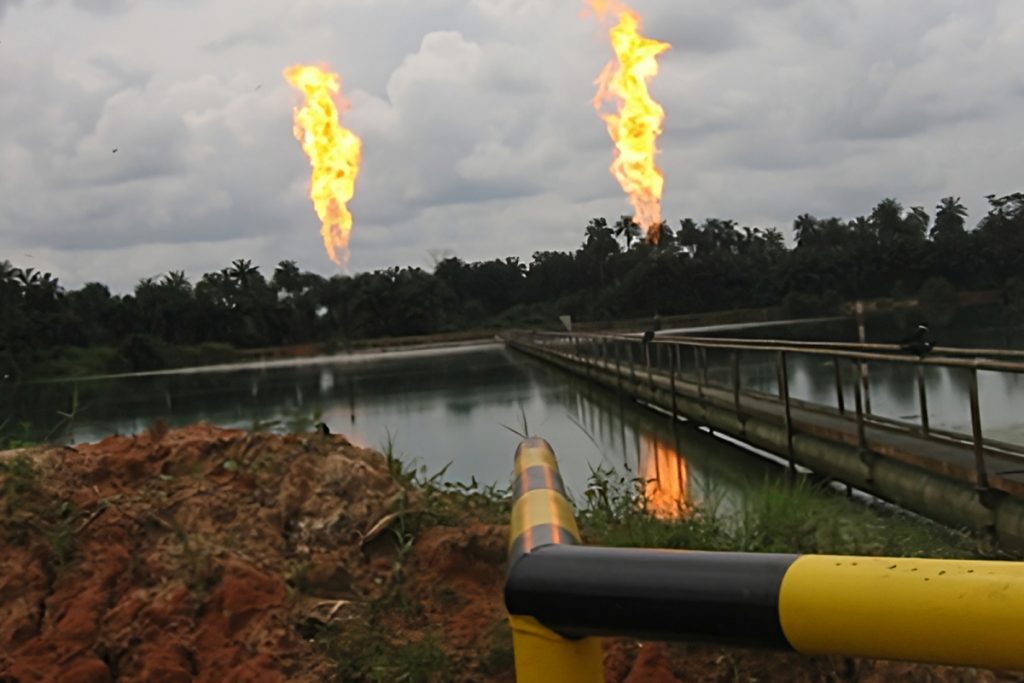
The IEA recently released a report highlighting that the EU’s potential gas supply-demand gap could reach 27 billion cubic metres in 2023. It lists a raft of measures that the Union could adopt, including the import of methane gas that is ordinarily vented and flared in African countries. It encourages the EU to commit to a “you collect, we buy” approach to plug the gap in supply in the short term, focusing on ready to export markets in Algeria, Angola, Egypt and Nigeria.

World Bank Looks to Revise its Climate Lending

Earlier this month the World Bank released an “evolution roadmap” to change its mission, operating model and financial capacity with a view to expanding its lending capacity to address global crises such as climate change. It intends to negotiate this with its shareholders in April, with a view to it being approved by the joint World Bank and IMF Development Committee in October this year. Amongst various reforms, the Bank is questioning whether climate vulnerability could substitute poverty as a lending criteria. This could mean a new concessional fund that middle income African countries could access on more affordable terms.

Biden Administration Confirms Intent to Invest US55 billion in Africa in the Next Three years, Including in Climate Change

During December’s second US-Africa Leaders Summit, the Biden administration confirmed its intention to invest $55 billion in Africa over the next three years. In addition to finance, the US intends to support Africa’s membership of the G20, something that the African Union has been seeking for some time. G20 membership is an important means to secure influence and progress agendas within climate negotiations. To remain relevant the US will need to ensure that the intended reshoring of clean technology manufacturing and development in America is done in a way that does not alienate its African trading partners. It will need to closely engage with Africa to ensure the latter benefits from the increased export of critical rare minerals needed for the green transition.

Steel Tariffs, Deforestation Rules and the CBAM see Climate Change Increasingly Used to Justify Trade Measures.

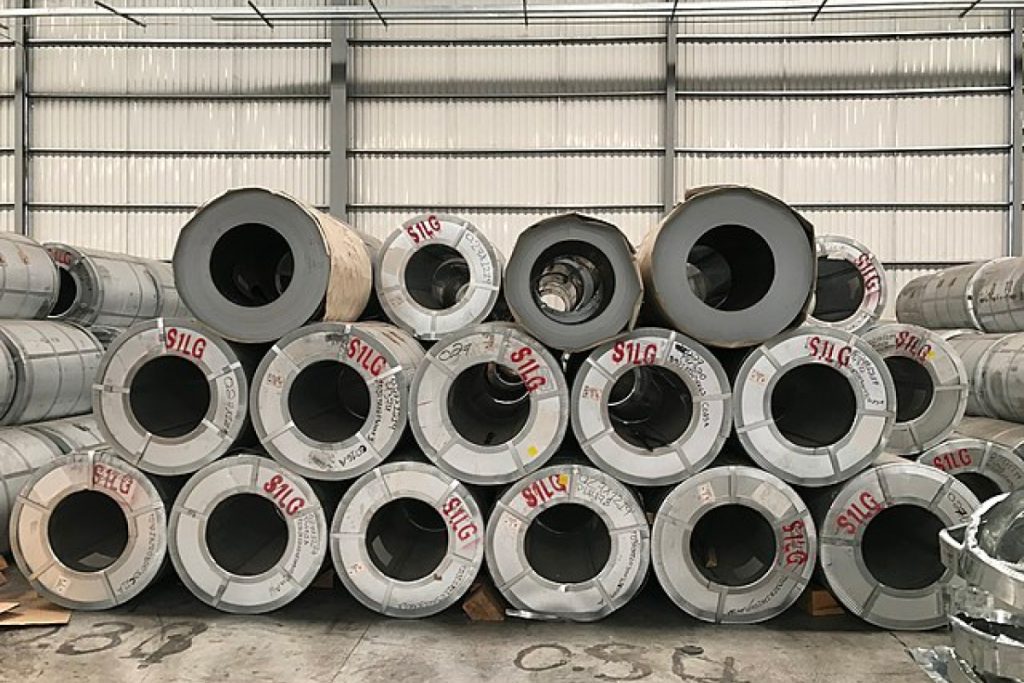
It has been reported that the EU and US are considering new steel tariffs on climate grounds, the revised design and implementation date for the EU’s Carbon Border Adjustment Mechanism was recently announced, and an agreement has been reached in the EU to pass new legislation guaranteeing that imported products are not linked to forest destruction or degradation. In this week’s brief we discuss how States are increasingly using climate change as a justification for imposing new trade measures, and consider their implications for the African continent. It has been reported that the EU and US are considering new steel tariffs on climate grounds, the revised design and implementation date for the EU’s Carbon Border Adjustment Mechanism was recently announced, and an agreement has been reached in the EU to pass new legislation guaranteeing that imported products are not linked to forest destruction or degradation. In this week’s brief we discuss how States are increasingly using climate change as a justification for imposing new trade measures, and consider their implications for the African continent.