Oil currently accounts for 43% of Africa’s energy production, with Liquified Natural Gas (LNG) and coal making up 33% and 19% respectively. Forecasts indicate that these fossil fuels will still account for 64% of Africa’s energy by 2050. Although there are variations from country to country, the overreliance on fossil fuels makes the continent vulnerable to global energy shocks, as was recently illustrated with the closure of the Strait of Hormuz. Diversifying energy sources is a key component to building resilient energy systems and enhancing energy security.
Africa’s Nuclear Energy Agenda
COP28’s Declaration to Triple Nuclear Energy saw 22 countries agree to tripling nuclear capacity worldwide by 2050under the Net-Zero Nuclear (NZN) initiative. At COP30, Rwanda and Senegal joined the declaration, bringing the current total number of signatory countries to 33. In October last year, South Africa, during its G20 presidency, hosted the first-ever high-level G20 Nuclear Energy Ministerial in Durban, co-organized with the IAEA, which sought to position the fuel as a cornerstone of low carbon energy systems. Presentations by the IAEA at the event indicated that nuclear capacity in Africa could triple by 2030 and increase sixteenfold by 2050.
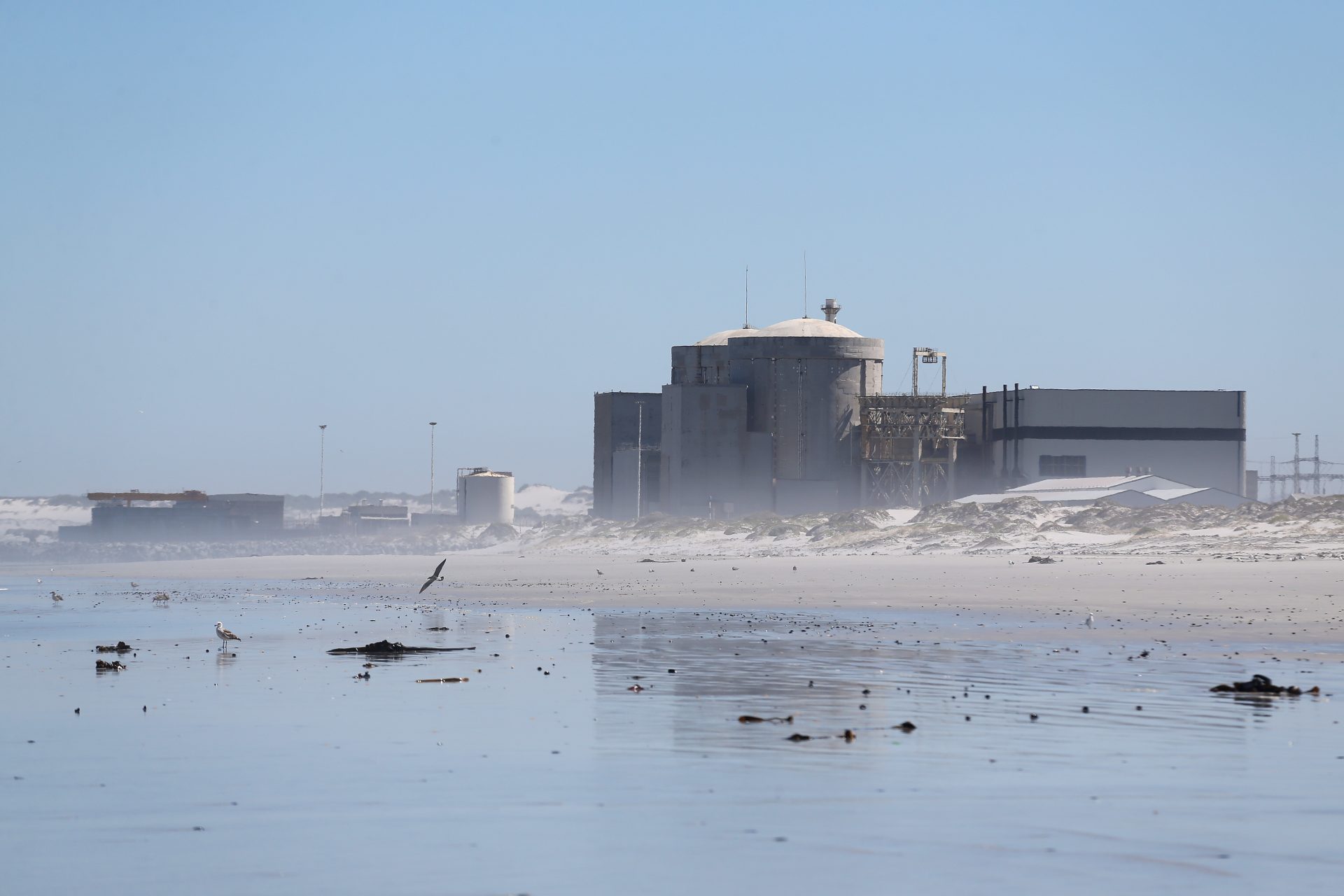
Several African countries have expressed interest in developing nuclear energy, with particular focus on micro and small modular nuclear reactors (SMRs). To date, however, South Africa is the only African country with operational nuclear power. The Koeberg Nuclear Power Station generates an estimated 6% of the country’s electricity with two reactors, and primarily supplies the country’s Western Cape province with electricity. Egypt is working with Russia on the construction of the El Dabaa Nuclear Power Plant. When completed, it will be Africa’s second nuclear power plant, with four reactors expected to generate an estimated 10% of the country’s electricity. Kenya is aiming to start construction of its long beleaguered first nuclear power plant in 2027, with a view to commissioning in 2030, as part of a strategy to increase the country’s power capacity to 10,000 megawatts by 2033. Ethiopia and Burkina Faso are working with Rosatom (Russia’s atomic energy state corporation) on the development of nuclear power with a feasibility study and plant construction. Rosatom has also signed an agreement with Nigeria on the proposed Geregu nuclear power plant, whilst Uganda has contracted Korea Hydro & Nuclear Power (a subsidiary of the state-owned Korea Electric Power Corporation) to develop a proposed power plant in the country’s Buyende region. Attention isn’t only on African development.
The Benefits
There are characteristics of nuclear energy that are appealing. Electricity usage and demand is set to increase across Africa due to growing populations, industrial demand and economic growth. An increase in energy demand means an increase in carbon emissions. Nuclear energy provides a constant base load supply of electricity, giving it an advantage over renewables that depend on weather patterns. With large uranium deposits in Tanzania, Niger, Namibia and South Africa, domestic nuclear energy production opens the door to local beneficiation. The continent has experienced a solar boom in recent years, with 54% more solar capacity added in 2025 than in 2024. But renewable energy sources currently account for only 2% of Africa’s total energy production, and there are questions as to whether they will scale up in time to meet both energy demands and replace fossil fuels. Nuclear energy can provide both residential and industrial centres with reliable, affordable and clean electricity (given that nuclear power is a low-emission energy source). Although not a complete substitute for fossil fuels, it can reduce reliance on coal, biomass and LNG (as is the expectation with the El Dabaa plant). Additionally, nuclear energy development and maintenance could facilitate job creation and open avenues for other uses, namely in medicine. This is a key component of the just transition, covering the job losses that will arise from the shift away from fossil fuel production.
Challenges and Risks
The use of nuclear power within clean energy mixes has long been contested. The IPCC’s fifth assessment report in 2012 described nuclear power as a “mature low-GHG emission source of baseload power.” However reference to it was largely absent in the summary for policy makers in the organisation’s 6th assessment report in 2023, following a preference of the authors to highlight other less controversial clean technologies.
To many it offers a reliable source of baseload power with a small footprint, making it an effective intermediary in the transition away from fossil fuels. On the other hand, it has been criticised for its high upfront costs, long development lead times, and safety concerns on the long term management of nuclear waste. There are also considerations at play for African programmes. The involvement of external actors, particularly Rosatom, is a potential concern. A deficit of local nuclear energy experts means that a significant part of the development of nuclear power programmes will be in the hands of non-African entities and personnel. This also counters the argument for job creation under a just transition, as the skills necessary for nuclear are easily transferable. Given the vulnerability of energy supply chains to geopolitical shifts and global shocks, such close arrangements could lead to African countries getting caught in the crosshairs of diplomatic disputes.
There is the additional issue of financing. In the long-term, nuclear-generated electricity can be an affordable option for consumers. However, the cost of setting up nuclear energy facilities may outweigh the benefits. Although most African countries pursuing a nuclear programme are interested in small modular reactors, the cost of these reactors can range from $50 million for microreactors to $3 billion for larger plants. Nuclear facilities are also historically known for ballooning unanticipated upfront construction costs.
Given efforts to mobilise domestic financial resources in the face of climate funding and foreign aid cuts, there are legitimate questions about how African countries will secure the financing necessary to develop and maintain nuclear power programmes. This is especially so for energy programmes, such as Mission 300, which are already in danger of funding cuts.
And if countries are able to secure favourable loans and grants, nuclear plants take from five to 10 years to develop, construct and complete. On the other hand, renewable energy takes less time: depending on size, building a solar power plant can take up to 18 months. With reports showing the continent’s capacity to generate its own electricity purely from renewable sources, proposed financing for nuclear projects may be better directed towards further scaling solar, wind and hydroelectricity projects.
Lastly, there are the environmental impacts of nuclear energy. In South Africa the granting of a renewed 20-year license for Koeberg was met with concern over the plant’s structural integrity and containment processes meant to prevent radiation leaks.
The disposal of nuclear waste from the plant is another challenge. Koeberg’s spent fuel is stored in a special pool onsite, with low and intermediate level waste transported to a remote site known. The planned expansion of the facility city and with the existing spent fuel pools near capacity, has necessitated a re-think of where to dispose of spent fuel in the longer term, with a central interim storage facility at a site near Namaqualand as the current destination of choice. A biodiversity hotspot, environmental and agricultural experts have raised concerns that the spent fuel will have adverse impacts on Namaqualand’s ecology and agriculture. The spectre of Chernobyl and Fukushima still looms large in the public imagination, and the management and upkeep necessary to ensure confidence in a nuclear energy programme is lacking.
Egypt’s El Dabaa plant is set to start commercial operation in 2028. If successful in providing affordable energy and reducing fossil fuel usage, it could ramp up nuclear energy development in coming years. Its promise of affordability, job creation, local mineral beneficiation and a cleaner alternative to coal and gas can be appealing for countries wanting to industrialise without added emissions and addressing an energy gap. However, the promise of nuclear power may not match the reality of its inputs, price tag, maintenance, safety risks and environmental impact.