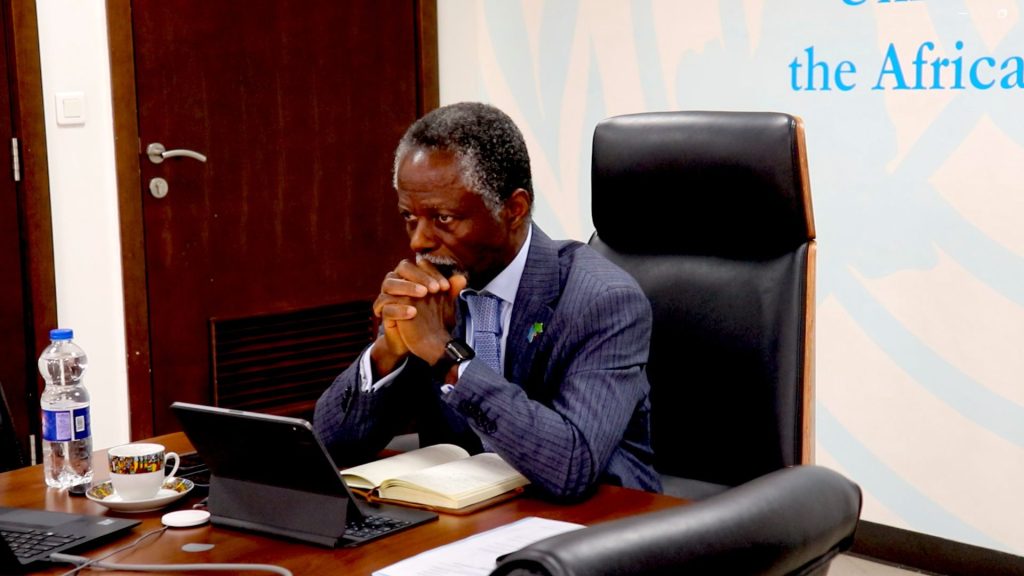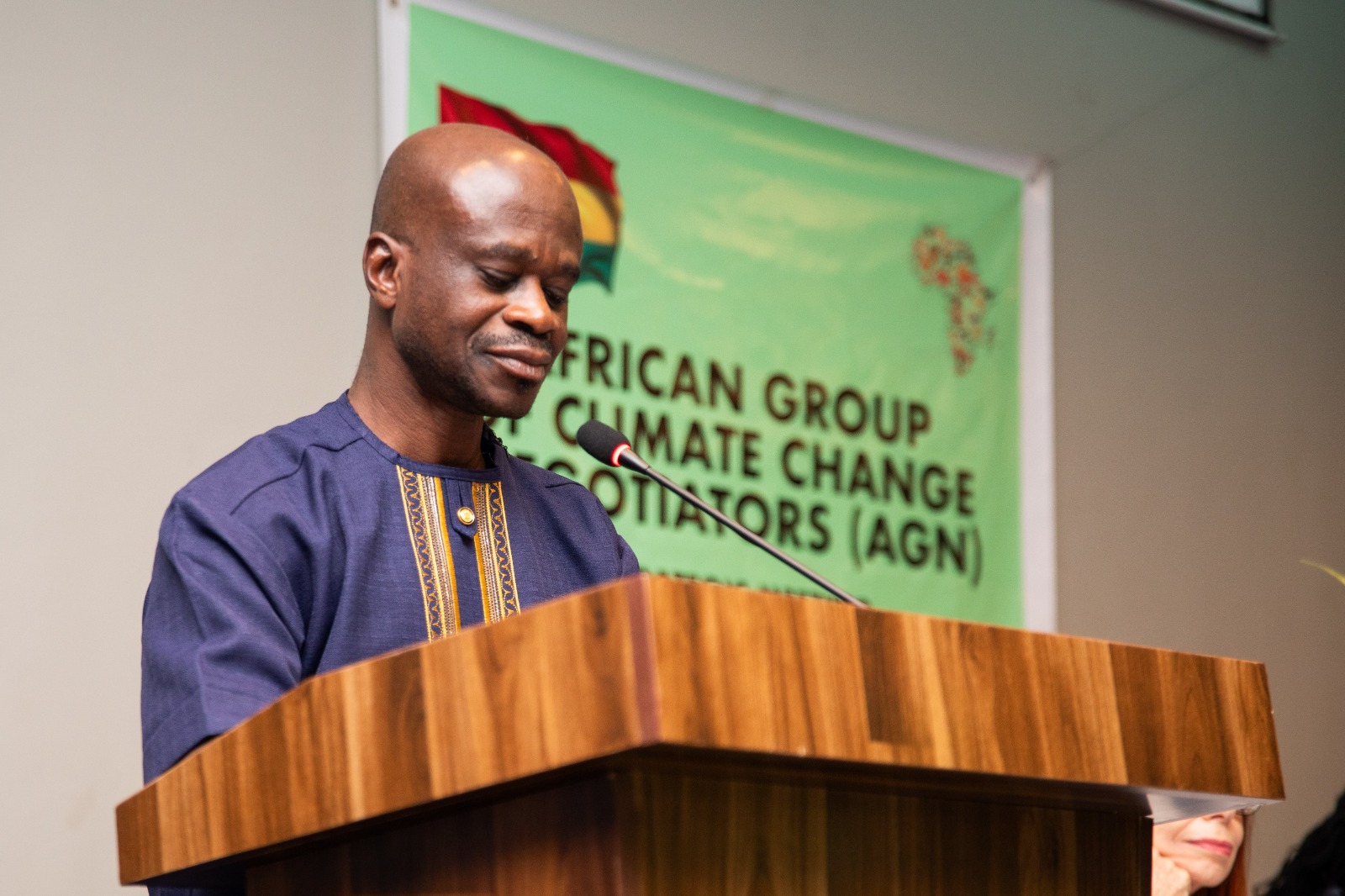
On 30 March – 1 April, Ghana hosted a three-day Strategic Meeting of the African Group of Negotiators (AGN), bringing together UNFCCC National Focal Points, African Lead Coordinators, and key partners to consolidate Africa’s common position ahead of the 31st and 32nd sessions of the Conference of the Parties (COP31 in Antalya, Turkey, and COP32 in Addis Ababa, Ethiopia).
It marks the first in-person strategic convening under Ghana’s chairmanship of the AGN. It is expected to deliver a practical roadmap to strengthen Africa’s negotiating platform, sharpen continental priorities, and reinforce coordination within the AGN and the broader African three-tier negotiation structure.
Prior to the meeting, AGN Chair, Nana Dr. Antwi-Boasiako Amoah reiterated his call for Africa’s climate diplomacy to be rooted in concrete strategy, arguing that “climate diplomacy is no longer only about emissions or long-term ambitions, it is deeply tied to geopolitics, energy security, industrial competition and finance. If our climate diplomacy is not aligned with our energy needs, industrial ambitions and development realities, we risk negotiating outcomes that look progressive on paper but are difficult to implement”. Navigating these competing tensions and building a firm climate strategy will be critical to the region, not only in preparing for COPs, but for the region to respond to increasing geopolitical strife and economic shocks while pursuing a green industrialisation agenda.
Building on this at the AGN Strategic Meeting, Prof. Nana Ama Browne Klutse, Chief Executive Officer of Ghana’s Environmental Protection Authority, highlighted key priorities for Africa, as including scaled-up and predictable climate finance, enhanced adaptation efforts, capitalization of major UNFCCC funds, and equitable access to technology and capacity-building support.
This was echoed by Hon. Baba Issifu Seidu, Ghana’s Minister of State at the Office of the President for Climate Change and Sustainability, who stressed that the global climate process has entered a critical phase focused on implementation, accountability, and delivery. “Africa must position itself not only as a participant, but as a driver of outcomes across all negotiation tracks,” he said.
He outlined priority areas for engagement as including the advancement of the Global Goal on Adaptation with measurable, flexible and impact driven indicators. At COP30 a series of indicators were agreed to measure progress toward the UAE Framework for Global Climate Resilience, covering themes such as water, agriculture, and health. But many African countries were displeased with their design and last minute changes to them, with several negotiators questioning whether they were implementable. They will come under scrutiny during a two year testing and policy alignment process.
Another focus, according to Hon Seidu is ensuring clarity, adequacy, and accessibility of climate finance under the New Collective Quantified Goal (NCQG). Last year countries agreed to establish a Climate Finance Work Programme, including discussions on the duty of developed countries to provide finance under Article 9(1). The programme will finally give home to a dedicated climate finance discussion within the negotiations, which has been a longstanding agenda issue. Developing countries will be able to squarely raise their concerns on the form, volume and accessibility of finance, and ventilate their desire for more predictability and burden sharing. Underscoring the importance of climate finance to overcome historic divides, Hon Seidu stated that finance remains matter of equity and trust, and that without accessible and adequate funding, adaptation and mitigation efforts will fall short.
Lastly, Hon Seidu underscored the need to ensure equity within the Mitigation Work Programme, while supporting just transitions, energy access, and economic transformation. This programme has for many years witnessed battles over the desire of some regions to reach more specific, quantifiable and universal mitigation targets or outcomes, versus a call by African countries for differential and equitable treatment, for developed countries to take the lead, the imperative of development space and policy autonomy in Africa, and a need to honour the bottom up self-determined nature of the Paris Agreement while when pursuing mitigation ambition.
The AGN Strategic Meeting features both open and closed sessions. The open session on March 30 focused on partner dialogue and Africa’s engagement in global platforms such as the G20, while subsequent closed sessions addressed thematic alignment, negotiation instructions, and the creation of coordination mechanisms for effective follow-through.
Participants are expected to produce clear decisions, identify outstanding issues, assign responsibilities, and agree on immediate next steps to guide Africa’s climate diplomacy through the 2026–2027 biennium. As Africa prepares to host COP32 in Addis Ababa, the meeting is seen as a critical opportunity for the continent to consolidate its voice and influence global climate outcomes. “The future of Africa will not be defined by negotiations alone, but by how effectively we shape them,” Hon. Seidu noted. “This is the moment for Africa to act with unity, purpose, and resolve.”