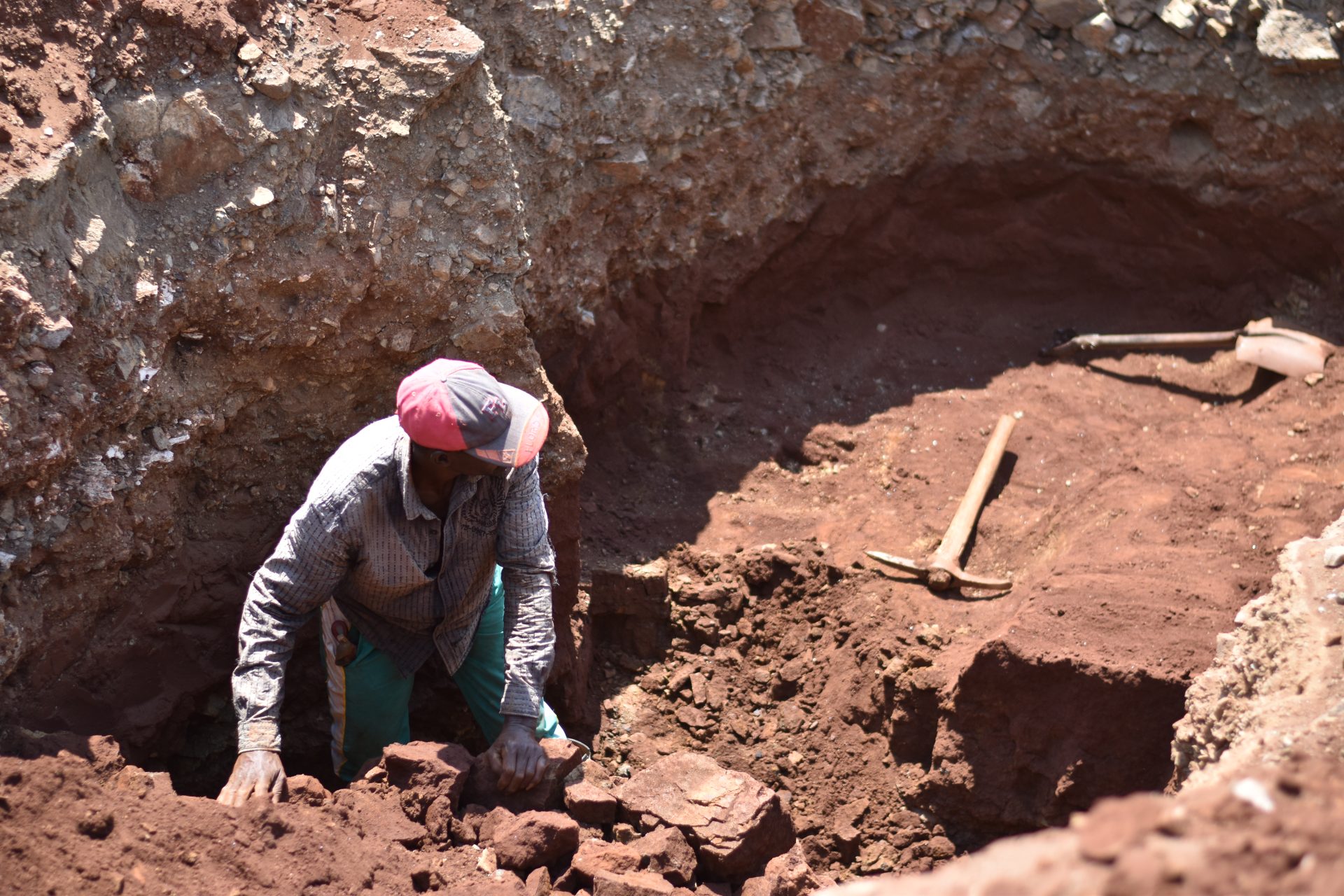
Last month the Zimbabwean Government decided to suspend all exports of raw minerals including lithium concentrate, a key material for batteries, electric vehicles and other low carbon technologies. The move triggered debate among investors, policymakers and climate analysts on what it means and potential implications, given that Zimbabwe is Africa’s top lithium producer.
While the decision might have appeared abrupt following a direction that all trucks ferrying raw minerals including lithium concentrate be stopped by customs officials at border posts, it was an outcome of a longer policy trajectory. It also reflects a broader trend across Africa and other resource-rich regions where governments are trying to capture more value from critical minerals.
Zimbabwe’s Previous Export Control Policy
Zimbabwe introduced export controls in 2022, when it required exports of raw lithium to be licensed, with a view to encouraging local beneficiation or value addition. The expectation was that mining companies would set up the necessary processing infrastructure but mining companies had their own concerns on the associated costs, unavailability of power, water and other key processing inputs. Despite those concerns, government continued to tighten the regulatory framework and in 2023, it introduced further clarifications to the controls, by setting minimum lithia content for exported concentrate. Export permits would also only be granted to operators running approved processing plants or those supplying such facilities, and export licenses had to be approved by both the Minister and President. Even domestic trading and movement was regulated: only licensed buyers could purchase lithium ore, and transportation required a movement permit.
The 2026 ban goes further
The 2026 ban must be viewed against these existing restrictions. While the previous controls sought to halt the export of unbeneficiated or raw lithium ore, mining companies or exporters could still ship lithium concentrate (crushed and floated ore) out of the country. These options however fell away on 10 June 2025, when the Zimbabwean government announced that it would ban the export of lithium concentrate as well, a prohibition which was due to take effect in January next year. This was then accelerated by last month’s ban which brought forward the compliance date and immediately suspended all exports of lithium concentrate and other raw minerals such as platinum group metals, coal and chrome.
The bans are in addition to tax disincentives. In January this year a tiered export tax system was introduced, in terms of which government would levy a 10% tax for raw lithium ore, a further 10% tax for lithium concentrate, while lithium sulphate a more processed product used in battery manufacturing, would not be taxed. This means, the more a miner adds value domestically, the lower the tax burden.
Export restrictions are spreading across Africa
Zimbabwe is not alone in pursuing this strategy. Most African countries endowed with critical minerals, are increasingly questioning the long-standing model in which the continent exports raw minerals while processing and manufacturing is done outside its borders. As demand for these materials grows, critical mineral rich countries are trying to secure economic benefits from them.
So far, 13 African countries have either introduced either export restrictions, bans or beneficiation requirements. Among them are leading critical minerals producers (cobalt, manganese, graphite, lithium and rare earth minerals) that include; Namibia, Botswana, Ghana, Nigeria, Tanzania, and the Democratic Republic of Congo. Last year, Malawi, rich in rare earths, joined their ranks by banning all raw mineral exports. The policy goals behind these new requirements are to capture more economic value from mineral resources, increase revenue base and promote industrialisation. This is because, historically the African continent only exported raw minerals limiting employment and fiscal benefits compared to downstream processing.
Governments across Africa are also stimulating industries that can consume locally refined products. In 2024, Ethiopia set a goal of having 500,000 EVs on the road by 2030. Kenya, Nigeria, Rwanda, and Tanzania offer duty exemptions for Electric Vehicles assembly.
Outside Africa, Indonesia also introduced a ban for export of raw nickel in 2019. The policy succeeded in attracting foreign capital, particularly from China, and influenced policy debates about the utility of export bans. For many African policymakers, Indonesia’s experience shows that export restrictions can help resource-rich countries to move up global value chains.
Criticisms and Concerns against Export bans on CM
Despite these ambitions, export bans have also attracted criticism. One major concern relates to international trade rules. Export restrictions can conflict with provisions of the World Trade Organization (WTO), particularly the General Agreement on Tariffs and Trade (GATT), which discourages measures that disrupt global supply chains. Indonesia’s nickel export ban was challenged by the European Union at the WTO. A dispute panel ruled that the policy violated trade rules, although the case remains unresolved due to the current paralysis of the WTO’s appellate system.
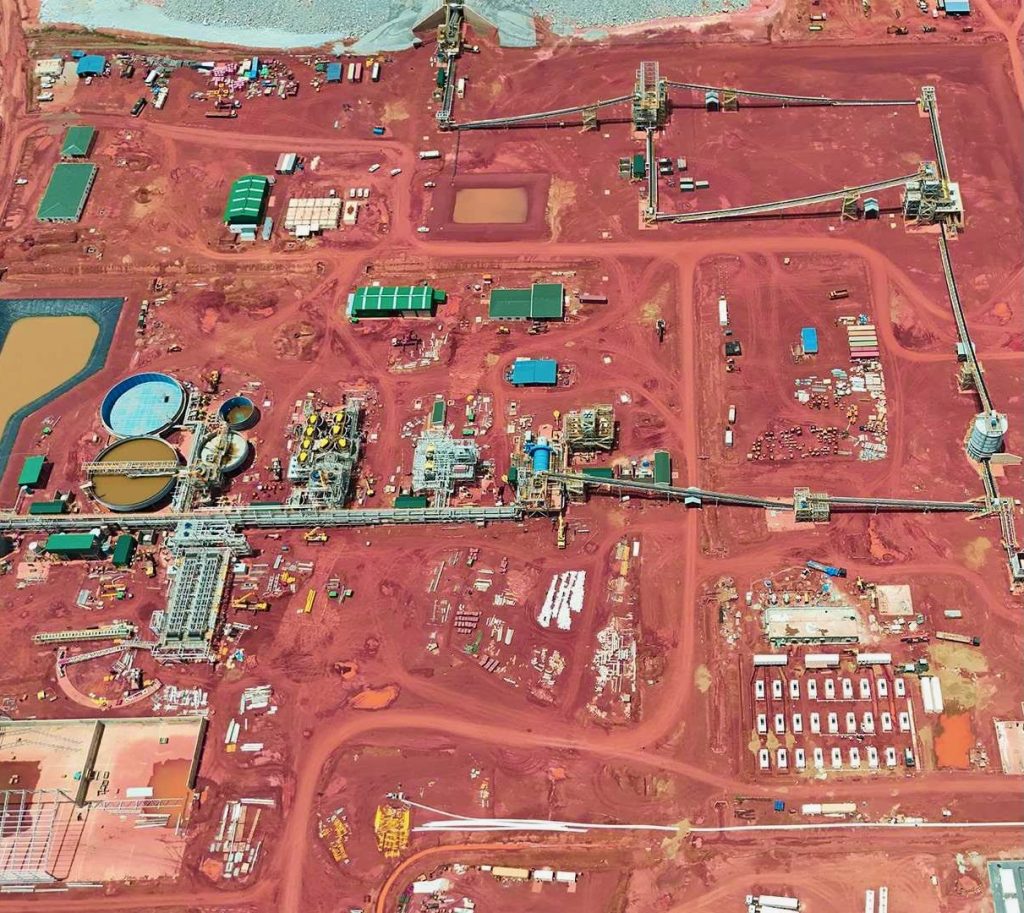
Another criticism is that many African countries are pushing for local beneficiation without adequately addressing structural constraints such as unreliable electricity supply, water shortages, skills shortages, and limited processing technologies. For example, in Zimbabwe, power cuts have repeatedly disrupted mining operations making it difficult to invest in energy-intensive processing facilities.
There are also economic feasibility concerns. Processing minerals in most African countries can be more expensive than exporting concentrates to countries with established industrial ecosystems like China. A study done by the Natural Resources Governance Institute found that Ghana could lose US$500 million in revenue if it pursued domestic lithium processing. The study suggests that building competitive processing capacity may not always be economically viable for smaller economies.
In Zimbabwe’s case, critics also worry that strict export restrictions could encourage informal trade or smuggling if enforcement capacity remains limited. A recent “Mines to Market” report by the Zimbabwe Environmental Law Organization, highlighted weaknesses in monitoring lithium exports. State institutions such as the Minerals Marketing Corporation of Zimbabwe and the Zimbabwe Revenue Authority have struggled to fully track exports and prevent leakages.
Another concern relates to policy predictability. Investors worry that sudden regulatory changes can create uncertainty. The Zimbabwean government had already implemented a deadline of January 2027, a timeframe which seems to have been ignored and brought forward by a year.
International Reactions and Geopolitical Implications
Export restrictions on critical minerals are increasingly controversial in global trade discussions, thereby presenting both opportunities and risks for African countries. The European Union and the United States rely heavily on imported minerals for their clean energy industries. As a result, they are concerned that export bans could disrupt supply chains needed for the energy transition, as noted in the case of Indonesia.
These tensions are already shaping global debates around trade and climate policy. For example, discussions around the EU Carbon Border Adjustment Mechanism (CBAM) and broader supply chain diversification strategies are increasingly intersecting with questions about access to critical minerals. At the same time, the growing strategic importance of these resources is giving mineral-rich countries greater bargaining power.
Demand for lithium, cobalt and other battery minerals is expected to grow rapidly as the world moves away from fossil fuels. This gives African countries an opportunity to negotiate better investment terms and promote local industrialisation. However, poorly designed export restrictions could also discourage investment or lead to unintended economic consequences.
Emerging battery technologies may also affect these strategies. For instance, emerging alternatives such as sodium-ion batteries could eventually reduce demand for lithium. For African countries to benefit fully from critical minerals, these policies need to be supported by broader strategies. This includes investing in infrastructure, building technical skills, encouraging technology transfer and promoting regional cooperation. Regional collaboration is also vital and can help countries develop shared processing capacity and integrated mineral value chains.