The closure of the Strait of Hormuz is not the first shock that Africa’s energy markets have experienced. The COVID-19 pandemic triggered a decrease in global oil prices and crude oil exports from Africa. This cost the region’s crude oil exporters an estimated $20 billion in 2020. The war in Ukraine triggered an increase in European demand for natural gas to replace Russian supplies, with Angola, Algeria, Nigeria and Gabon all benefitting. However severe price shocks pushed up prices worldwide, negatively impacting African imports of oil and gas and the cost of living.
The latest crisis with the closure of the Strait of Hormuz is unprecedented in nature and scale. Roughly 25% of the world’s daily oil and liquified natural gas (LNG) supplies pass through the Strait. Although there have been disruptions to trade through the Strait, including attacks on oil tankers during the Iran-Iraq War, this marks the first closure of the vital channel. Global oil prices have gone through a rollercoaster ride since the beginning of the year, with the International Energy Agency highlighting that geopolitical tensions in Venezuela and Iran at the beginning of 2026, fluctuating prices and consumer demand, have pushed prices as high as $100 a barrel.
Oil Continues to Dominate
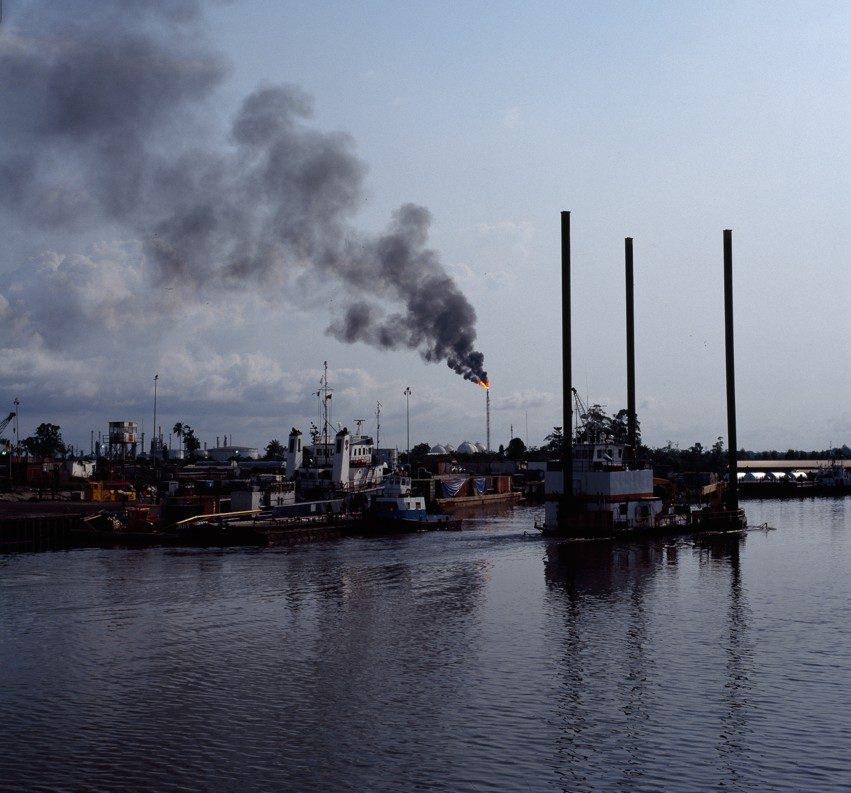
The price of fuel at the pump has increased in countries across East Africa, Southern Africa, North Africa and West Africa. Crude oil exporters have also been affected by price hikes. Although Nigeria’s Dangote Petroleum Refinery – the continent’s largest – stated that the closure of the Strait of Hormuz would not disrupt domestic supply, the Refinery announced an increase to the price per litre of petroleum and diesel. Over the past six weeks, a series of price adjustments in Nigeria have led to a cumulative increase in petrol prices of about 47%.
Higher global oil prices are a double-edged sword. On one hand, they could translate into an unexpected windfall for African crude oil exporters. Nigeria, Angola and Ghana will likely see higher export earnings, with Angola alone standing to benefit by up to 3.3% of its GDP. This windfall could be channelled towards easing the fuel crunch, and also towards investing in clean energy programmes.
The ability of these countries to benefit, however, relies on two factors. The first is their ability to meet oil production targets. Nigeria’s production in February declined by 10.6%, meaning that the country missed out on windfalls from crude oil price increases. Additionally, higher outputs does not mean that Africa as a whole will benefit: the continent’s top five crude oil producers – Nigeria, Algeria, Angola, Libya and Egypt – still have Asia Pacific and Europe as their primary trading partners, while intercontinental trade remains low. The second is the domino effect of increased energy prices. Higher energy import costs will affect foreign currency reserves as countries are forced to spend more. Energy feeds into all aspects of economic production and output, with transport, mining, agriculture and logistics sectors most reliant on fuel. Price increases at the fuel pump, with no seeming end in sight, will trigger an increase in the cost of living in African countries, which could undercut any potential windfall.
Renewables and Energy Diversification
A report by the United Nations Economic Commission for Africa shows that a drop in demand for coal and oil during the 2020 lockdown was mirrored by an increase in demand for renewable energy sources, thanks in part to the resilience of this technology in the face of COVID-19 disruptions. The closure of the Strait of Hormuz exposes Africa’s vulnerability to energy shocks but also presents another opportunity to further scale renewable energy, diversify energy sources and increase energy security.
Enhancing clean electricity generation and energy access will bolster the continent’s resilience to energy shocks. Gas is the biggest source of electricity, making up 43% of its production in 2024. Combined with oil burning, which makes up almost 8% of electricity output, a surge in oil and gas prices also means an increase in electricity prices in addition to a higher cost of living.
Renewable energy output is on the rise. Clean electricity makes up at least 25% of electricity generation due to improvements in energy storage and increased hydroelectricity, wind and solar. The latter especially experienced significant growth in 2025, with continent-wide installation of 4.5 gigawatts (GW) of new photovoltaic capacity, representing an increase of 54%.
One of the arguments for the continued usage of fossil fuels over scaling renewable energy is their stability and reliability. But unlike crude oil and gas, renewable energy is not as vulnerable to energy shocks and fluctuating markets. COVID-19, the war in Ukraine and this most recent conflict have highlighted how vulnerable developing countries are in the face of disruptions to global supply chains. Granted, not every sector will be able to easily transition to renewable energy (such as transport which consumes 69% of Africa’s oil products), nor will wide-scale projects be able to go from ideation to operationalisation in the short term.
The Strait of Hormuz is a significant energy shock. But it is not the first, and it will not be the last. Whatever the resolution of the Strait’s closure may be, the ultimate test is whether the lessons on energy diversification and investing in domestic generation will translate into policy.