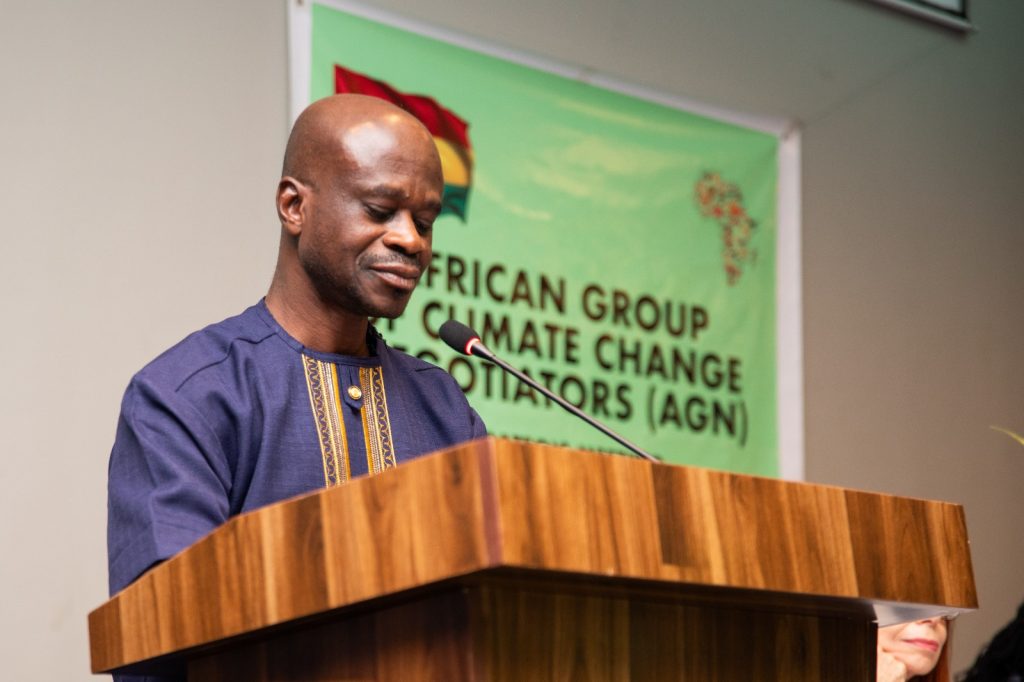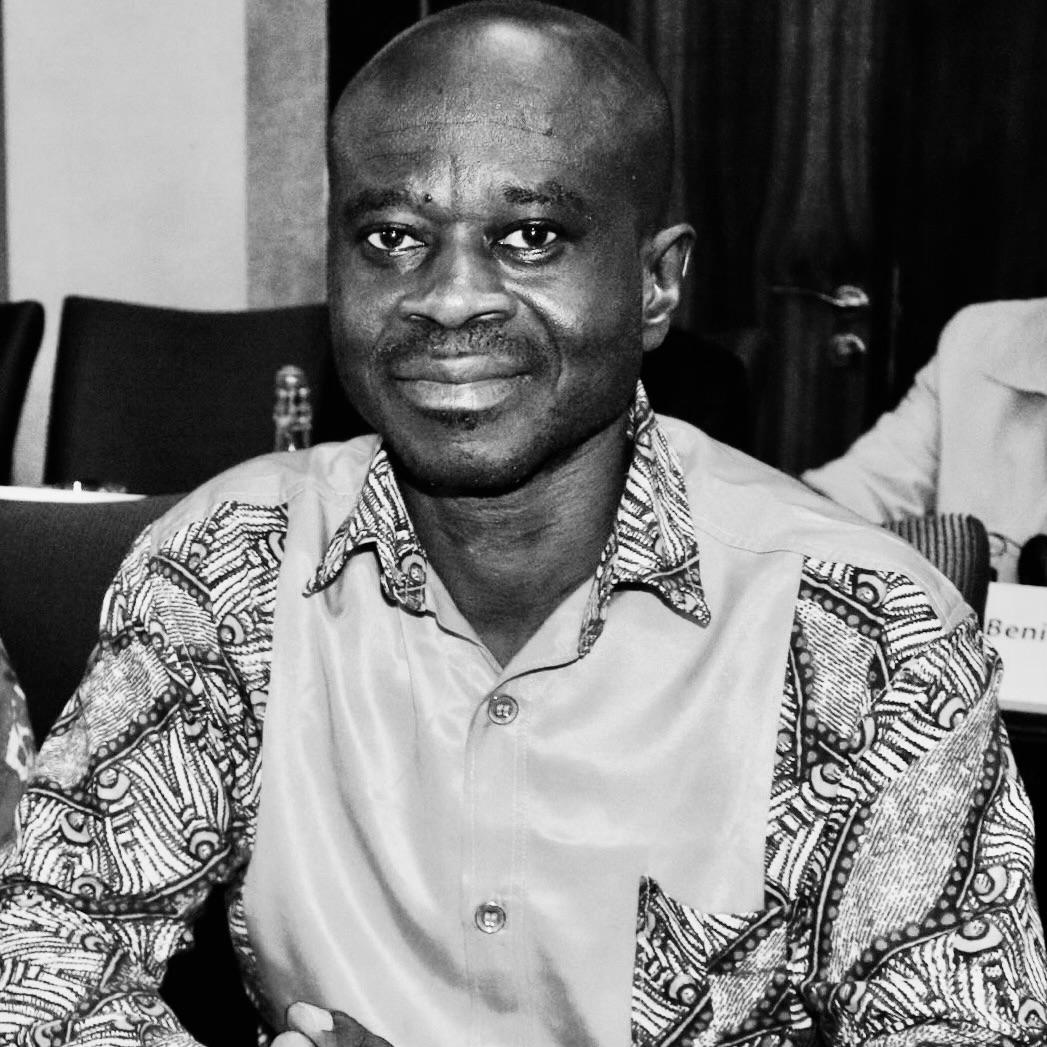
In Conversation with Dr. Amoah, the New AGN Chair
Dr. Amoah is well known in climate circles, as director of Climate Vulnerability and Adaptation within Ghana’s Environmental Protection Authority (EPA), and former lead negotiator for the G77 and China on National Adaptation Plans. He comes into the position with 20 years of experience in public service and climate diplomacy.
He begins his tenure at a delicate time for global climate diplomacy, as global multilateralism is on a downward trend, with the USA not only pulling out of the Convention and the Paris Agreement but also cutting funding from critical climate financial institutions such as the Green Climate Fund (GCF). At COP30, African countries called for scaled up climate finance; fair global trade practices; and finalisation and implementation of the Global Goal on Adaptation’s (GGA) indicators. But as Amoah notes, the ghost of previous COPs continues to linger: “[The geopolitical tension] was heightened at COP 30. Looking at the United States withdrawing [from the Paris Agreement] and Europe getting involved in a number of issues related to Russia and Ukraine, there were a number of issues that have been highlighted within the political space.”
The Chair believes that COP30 delivered on multilateralism in the face of significant pressure. However, there is still work to be done. “The West wants to detach the provisions of the Convention from that of the Paris Agreement. But our understanding especially from the African perspective is that the Convention delivered the Paris agreement. So there are certain provisions that have been carried over from the Convention, and equity related issues are very critical,” says Amoah. He points to Common But Differentiated Responsibilities and Respective Capacities (CBDRC) as an example of equity-related issues that successive COPs have failed to fully address, compelling African negotiators to repeatedly raise the issue of equity during negotiations.
For the AGN, provision and mobilisation of finance remain key priorities. Already a source of contention between the Global North and Global South, the United States’ recent withdrawal of its board membership of the Green Climate Fund (GCF) and UNFCCC adds another layer to the climate finance angle, particularly, replenishment of the GCF which is due. Despite these problems, Amoah sees progress within the Fund. “We are not there yet in terms of GCF access, but we’ve seen a lot of improvement especially when it comes to accrediting direct institutions from developing countries to access GCF.” Having more African direct accredited entities helps to channel finance from the GCF directly to projects, ensuring funds move to where they are needed most without intermediaries.
Although the US withdrawal from the Fund is politically significant, it is unlikely that it will seriously dent the Fund’s coffers given the historic performance of the US on its US$3 billion pledge in the second replenishment window. But it presents another problem: the loss of a contributor to the Fund, which raises the question of whether other individuals and organisations can step in to fill the gap. Unfortunately, the GCF’s current policies are unclear on pledges from non-state actors, a potential stumbling block for its replenishment.
“As it stands, the governing instrument talks about how the Fund is willing to accept financing from donor countries and other contributors. How funds will be received from the other contributors has not clearly been spelt out in the governing instrument and the rules of procedures. That’s something that needs to be worked on.”
AGN Priorities
Equity remains a major issue for future climate negotiations and processes. This is reflected in Dr. Amoah’s priorities for his tenure as AGN Chair. “As AGN chair, my first task is to bring all the AGN family together in a manner that we can be able to deliver multilateralism within the African continent,” he states.
The AGN’s current structure includes lead coordinators, national focal points, civil society organisations (CSOs), research-oriented organisations and governmental representatives, all working on different areas. The task ahead is to establish a common negotiated position, a task which entails coordinating with different actors to ensure that the Group’s agenda reflects the needs of the people it is meant to represent.
The just transition is another priority area for the new Chair. Although there has been progress (such as the Just Transition Mechanism), there are lingering concerns over the development of just transition mechanisms and programmes. “The way the just transition is being discussed now, if we are not strategic as a continent, it might take away a lot from us,” says Amoah.
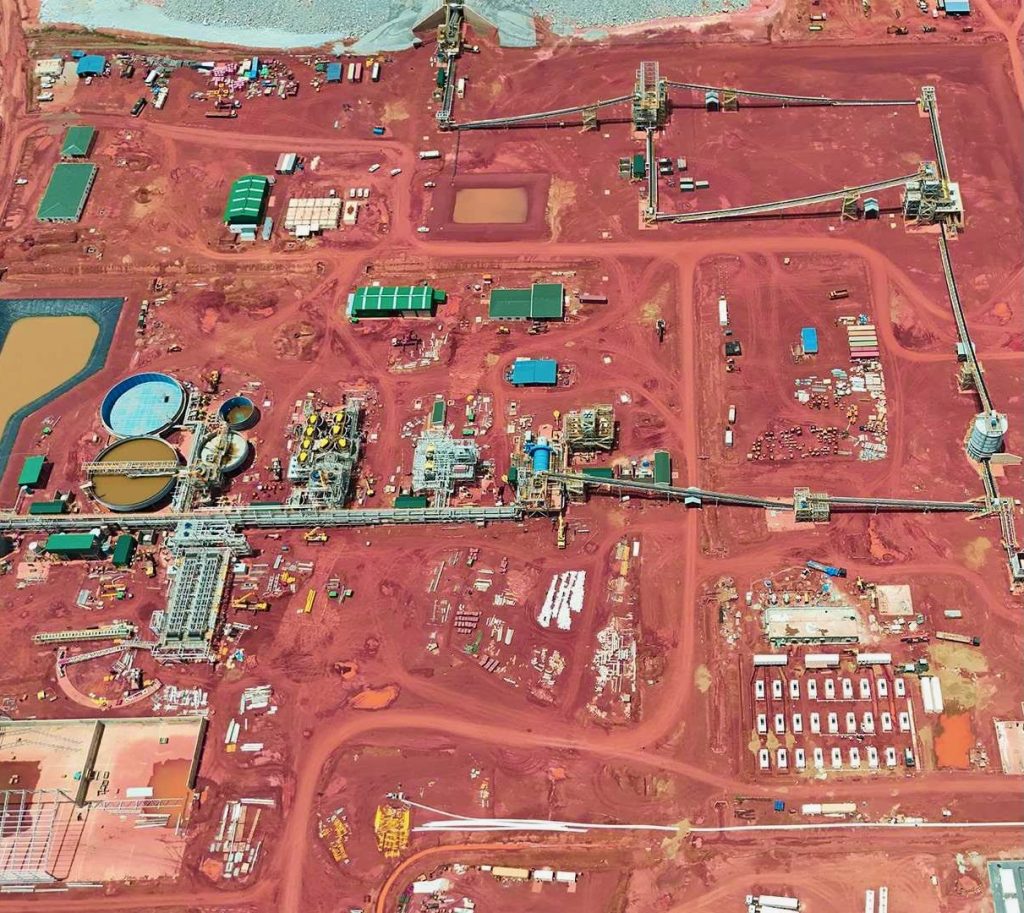
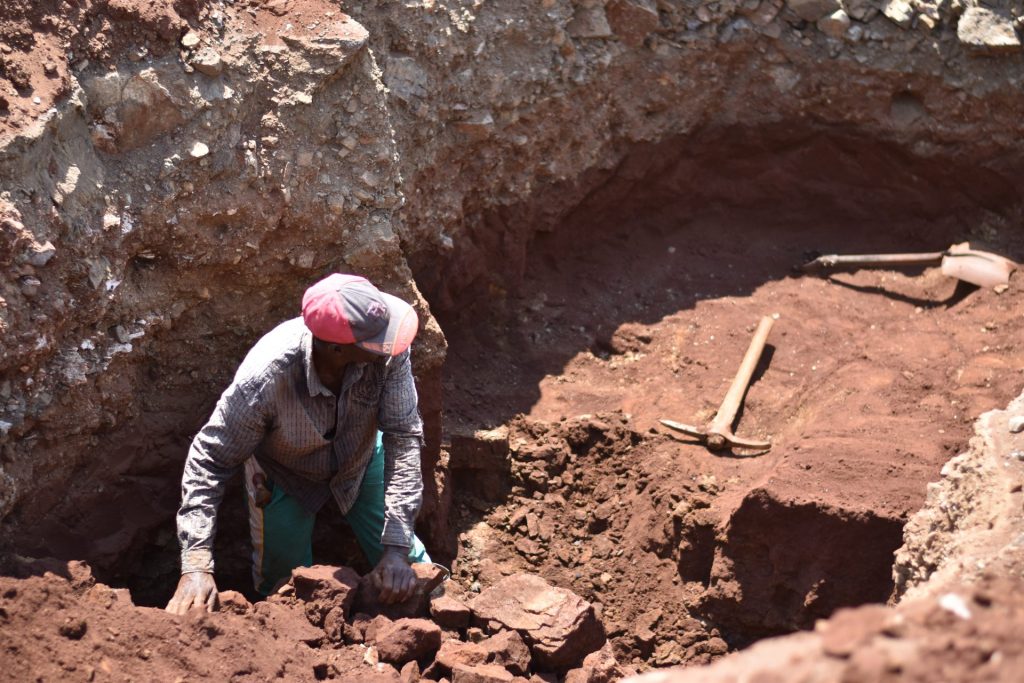
In a similar vein, transition minerals, also known as critical minerals in the energy transition, will be a key thematic area for Amoah. Africa has significant transition mineral deposits, The Democratic Republic of Congo alone has 60% of the world’s cobalt reserves. Only 2% of these minerals are exported to other African countries, with the vast majority destined for buyers outside the continent. The AGN wants to explore how best to design and align national systems, policies and structures for African countries to reap the full benefits and support their own just transition programmes.
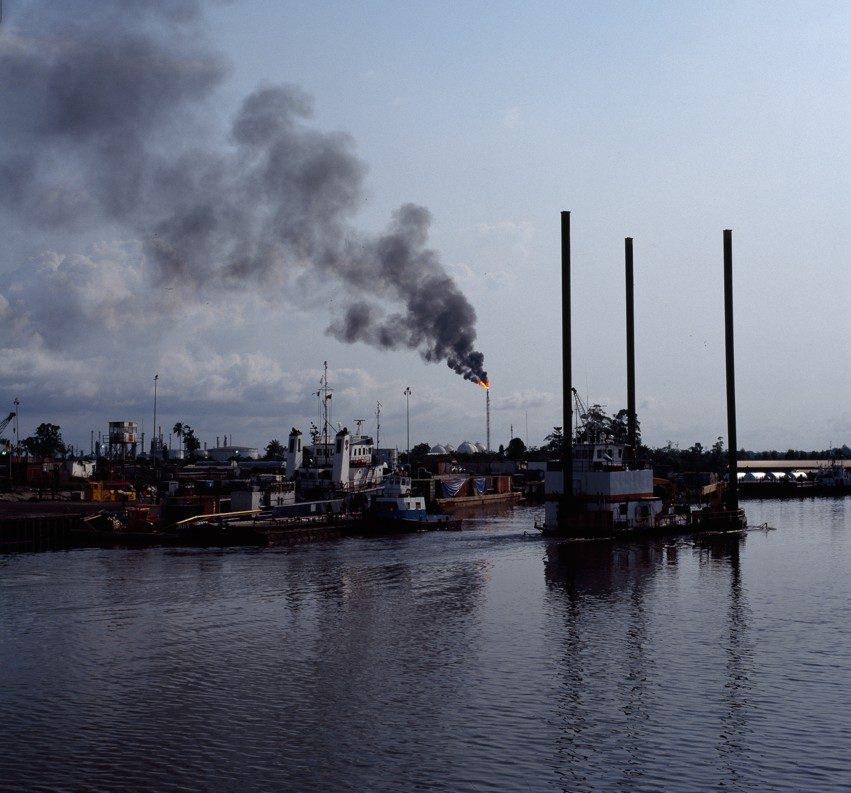
The equitable phasing out of fossil fuels in the context of Africa’s minimal emissions and its sustainable development, energy access and poverty eradication agenda, remains an ongoing issue. With Colombia hosting the First International Conference for the Just Transition Away from Fossil Fuels in April, the AGN is yet to discuss the event. However, Amoah believes outcomes from the gathering in Colombia must consider the needs of developing countries.
“Just transition discussions within the context of this transition away (from fossil fuels) must be clearly designed in a way that Africa does not suffer. The emphasis must be what will be the complimentary support for adaptation for developing countries,” explains Amoah.
Adaptation continues to be a front and central priority for Africa, including the equitable provision of adaptation finance, together with support for the development and implementation of National Adaptation plans and NDCs. Equally, Amoah is keen to see more youth participation in global gatherings and pre-negotiation meetings, looking to further enhance the relationship of the AGN with this group and others.
The Year Ahead
The 39th Ordinary Session of the African Union Assembly is coming up in February. It is an opportunity for the new AGN Chair to meet with the Group’s different stakeholders and begin the process of consultations and consolidation. Amoah’s tenure will coincide with Ethiopia hosting COP32 in 2027. The US’s G20 Presidency and summit in Miami in December are also key events, as well as the 81st Session of the United Nations General Assembly. The AGN will continue representing the continent in key climate forums and discussions. With a busy year ahead, Dr. Amoah has a positive outlook for his tenure as AGN Chair and for Africa’s climate agenda.