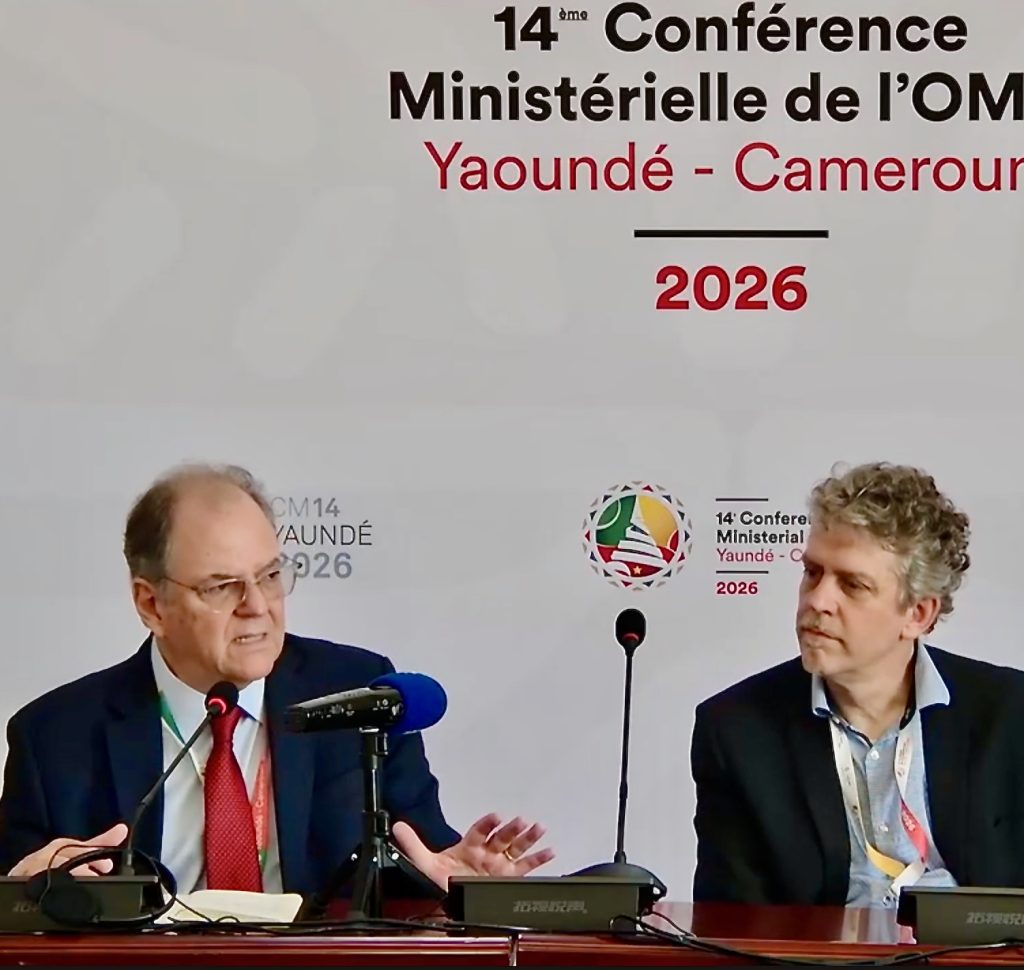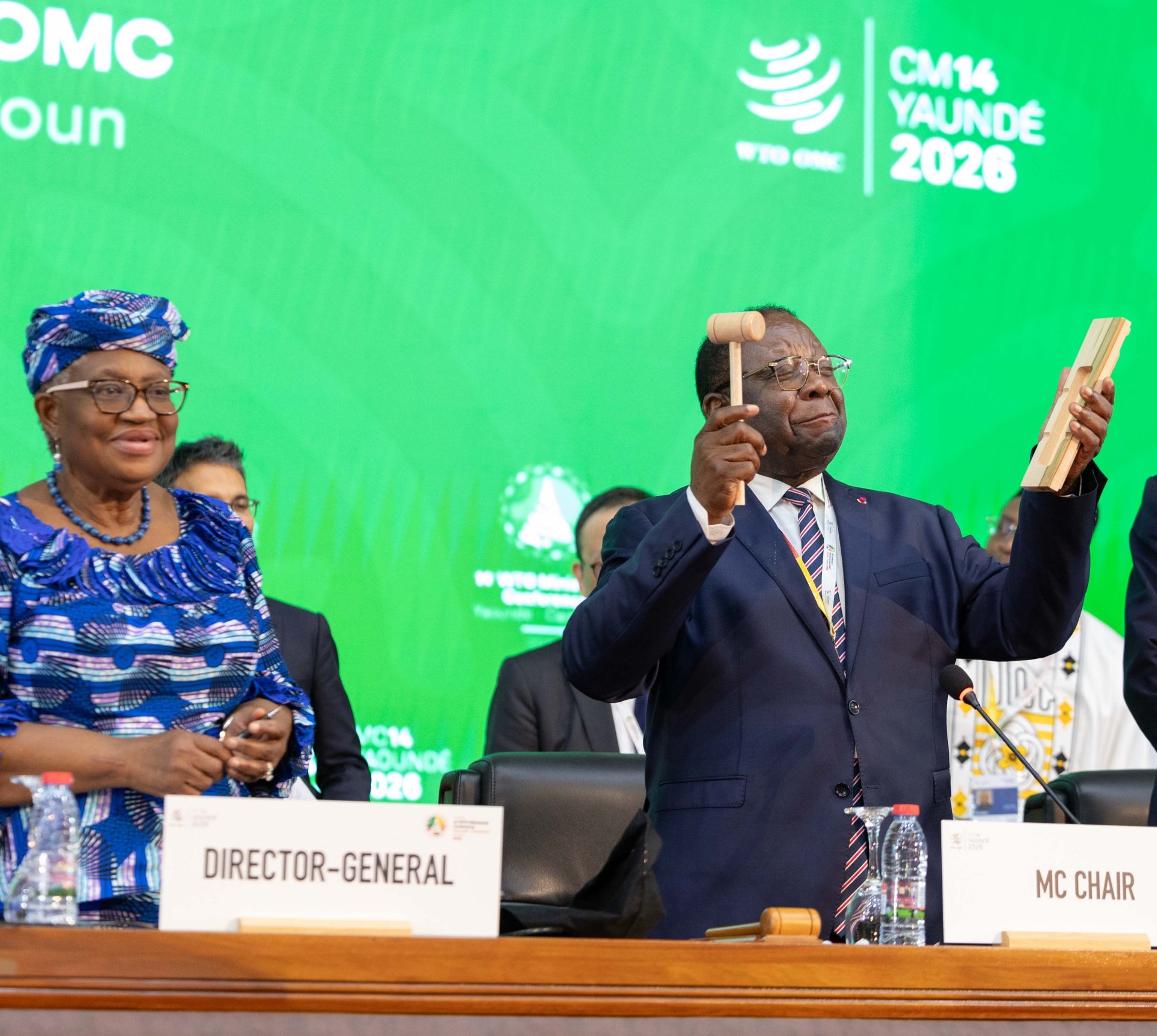
The World Trade Organisation’s (WTO) recent 14th Ministerial Conference (MC14) in Cameroon ended underwhelmingly. Leading up to the conference, the stakes were high with many representatives hoping for institutional reform. However, while most members agree on the need for reform, they were divided on its nature and scope. Ultimately, no reform workplan was adopted.
The calls to improve the functioning of the WTO are not new. As early as 1996, a year after the WTO’s founding, developing-countries sought reforms to address asymmetries and bring balance to the WTO rules, to create more policy space for their development.
But the WTO reform proposal was really set in motion by developed countries in 2018 when the European Union (EU) and Canada published a briefing note and discussion paper on strengthening and modernising the WTO. In 2019, the US blocked appointment of members to the Appellate Body (the WTO’s appeals court) effectively disabling the WTO’s dispute settlement system. It was this move that raised alarm across the multilateral trading system and led to incessant calls for imperative institutional reforms.
Reforms matter to African countries. They are necessary to resolve longstanding imbalances and revitalize negotiations on development, ensuring that the WTO delivers for all members, irrespective of their levels of development. Further, market access issues, including non-tariff barriers and subsidies, continue to create an uneven playing field for the continent. For this reason, any reforms that are introduced must not be used as a vehicle to further entrench asymmetries or introduce new forms of exclusion.
Ahead of the meeting countries made submissions on a range of aspects, largely focused on decision making processes, provisions that gave special treatment to developing countries, how to breathe life into the paralyzed, dispute settlement mechanism, measures that could help level the playing field and fairness, agriculture, development, how to foster more transparency within the system, emerging new issues, and other institutional reforms.
Even early on in the written submissions, there were large areas of divergence. On decision making and consensus, the African Caribbean and Pacific (ACP) Group and African Group opposed any move to redefine the requirement for full consensus, which is the hallmark of the WTO decision making. The EU, UK and US argued instead for a plurilateral path, though they proposed different mechanisms. China supported flexible plurilateralism with inclusive guardrails.
On the WTO dispensation that provides special rights, flexibilities, and preferential treatment to developing and least developed countries, the ACP Group welcomed the option for members to voluntarily opt-out of receiving special treatment, provided that this did not create a precedent or obligation for others. The LDC Group wanted to keep the fundamental LDC-specific provisions, and no other group challenged this position. The central point of disagreement remains how to differentiate between large emerging economies and other developing Members.
Regarding dispute settlement, most developing countries wanted to restore the two-tier dispute settlement system, marking it as one of their top priorities for the meeting. However, the US continued to objects to the Body, and the EU only wanted to resume dispute settlement discussions on condition that progress in broader WTO reform was achieved.
When it came to levelling the playing field and fairness, each member or group had different perceptions of what the core problem was. For example, there were large divergences on whether agriculture should be included in the fairness agenda. The African Group, ACP Group and LDC Group had also long been seeking a permanent solution to enable their governments to store and release food staples to ensure availability and price stability as a special safeguard mechanism.
On development, the African and LDC Groups pushed to have development as a primary pillar of any post-MC14 work programme, particularly where Aid for Trade flows are declining at a time of rising development needs.
Lastly, on emerging and new issues, among divergences on digital trade and e-commerce, the African Group and ACP Group also flagged concerns about carbon border adjustment mechanisms, such as the EU’s CBAM, as a concern for developing-country exports, an issue that has hitherto remained on the sidelines of formal WTO discussions. The US took a much narrower view asserting that measures to promote economic security and supply chain resilience are outside the WTO’s competence.
The varied views on a wide array of sticky items meant that trade Ministers could not garner enough agreement on the reform agenda. But the meeting’s impasse had its genesis in earlier discussions, as the reform process itself was deeply flawed from its inception in Geneva. It was neither inclusive nor member driven. At MC14, negotiations failed partly due to a text that was put before members who had previously objected to it. The alternative proposal was Paraguay’s that had the most traction, but the process was captured and controlled largely by the US to advance an agenda that targeted China on subsidies and state-owned enterprises, and the global south on special treatment and development. The text also proposed to change decision making by consensus to bring plurilateralism and to introduce a conversation on the core WTO principle that all countries be treated equally, to accommodate the US.
It was therefore no surprise that MC14 failed to agree on a path towards institutional reform. The proposals for reform that were put forward by the US soured negotiations leading to a stalemate. In addition, the confusing procedural design of the discussions and heavy reliance on informal breakout sessions contributed to an inconclusive outcome. The lack of agreement has led some negotiators to posture that they might pursue other options to set rules and advance free trade.
While there was no agreement at the talks in Cameroon, discussions will continue to focus on decision-making at the WTO, development, and level playing field issues. Members will debate how different decisions at the WTO should be made, and how the principle of agreeing by consensus can be maintained but perhaps modified for different kinds of decisions. Development talks will largely centre on how the principle of special and differential treatment should apply, given their different development realties, while the discussion on levelling the playing field looks at the impact of, and responses to, more interventionist economic policies and growing priorities like climate change and the digital economy. The discussions will be reported back to the General Council every six months until MC15.
Shimukunku Manchishi is a Senior Policy Officer on Trade at the African Future Policies Hub.